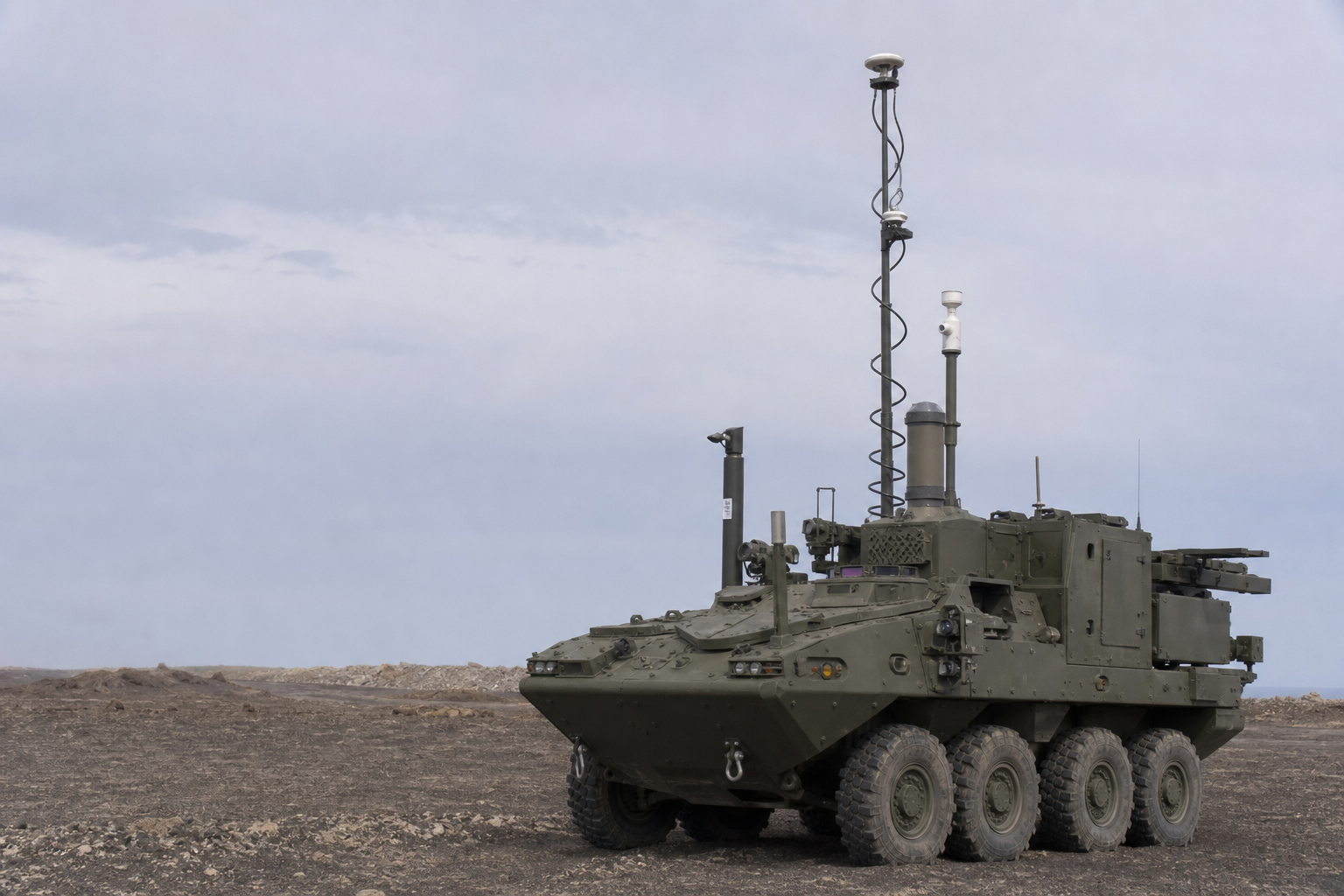
CBRN (chemical, biological, radiological, nuclear) reconnaissance vehicles carry sensors and sampling gear to detect and map contamination so commanders can route forces around or through hazards with proper protection.
Typical fits include air sampling systems, radiation detectors, chemical agent detectors, and standoff sensors on some advanced platforms. Crews work in overpressure or full protective posture depending on design.
Marking and reporting are as important as detection: a hazard that is not communicated on the common operational picture still kills the follow-on unit. Integration with digital battle management systems is now expected.
These vehicles are few, specialized, and high-training. They often base on existing armored car or APC chassis to share mobility and protection with the force they support.
False positives, sensor poisoning, and maintenance of delicate detectors in dusty field conditions are persistent practical problems. Training with simulants builds trust in the gear.
Even when chemical weapons are not used, industrial toxic releases and radiological risks in urban combat keep CBRN recon relevant. It is insurance with a siren and a mass spectrometer.