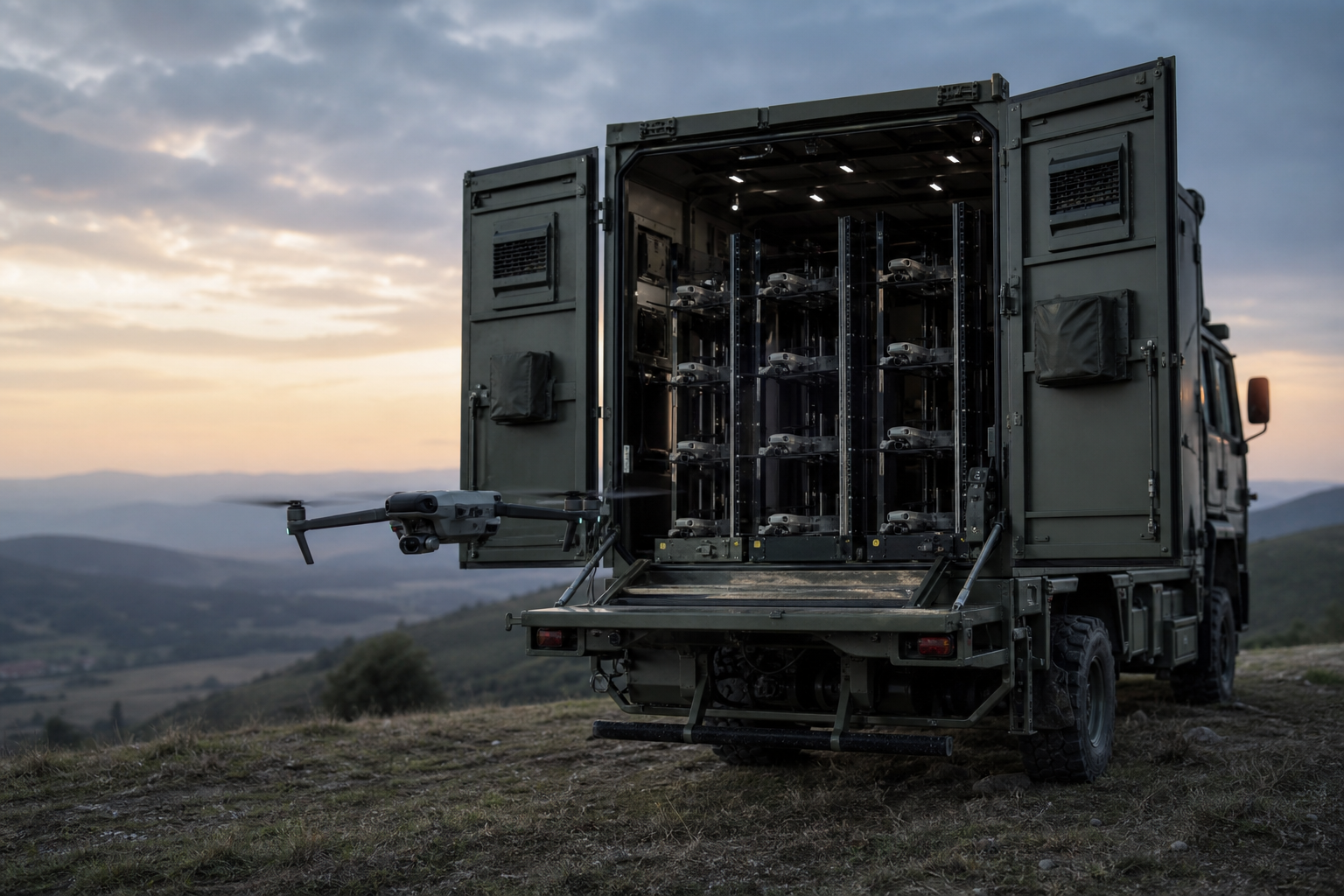
Hive mothership truck: rear-ramp drone racks for strike, live UAV, and VSAT C2
Bastion unveils the MV-12 Hive—a truck that opens at the rear with racked drones for attack runs, persistent live UAV ISR, or VSAT-linked orbital control.
Briefing room
An archive built since Bastion’s 2019 founding—partnerships, protection missions, theater-support notes, and equipment explainers. Specs on third-party platforms come from public sources; Bastion program and company stories reflect our own operations.
Bastion unveils the MV-12 Hive—a truck that opens at the rear with racked drones for attack runs, persistent live UAV ISR, or VSAT-linked orbital control.

How Bastion’s founder built the company from 2019, sold it to investors in 2024, and stayed on as CEO without controlling ownership.
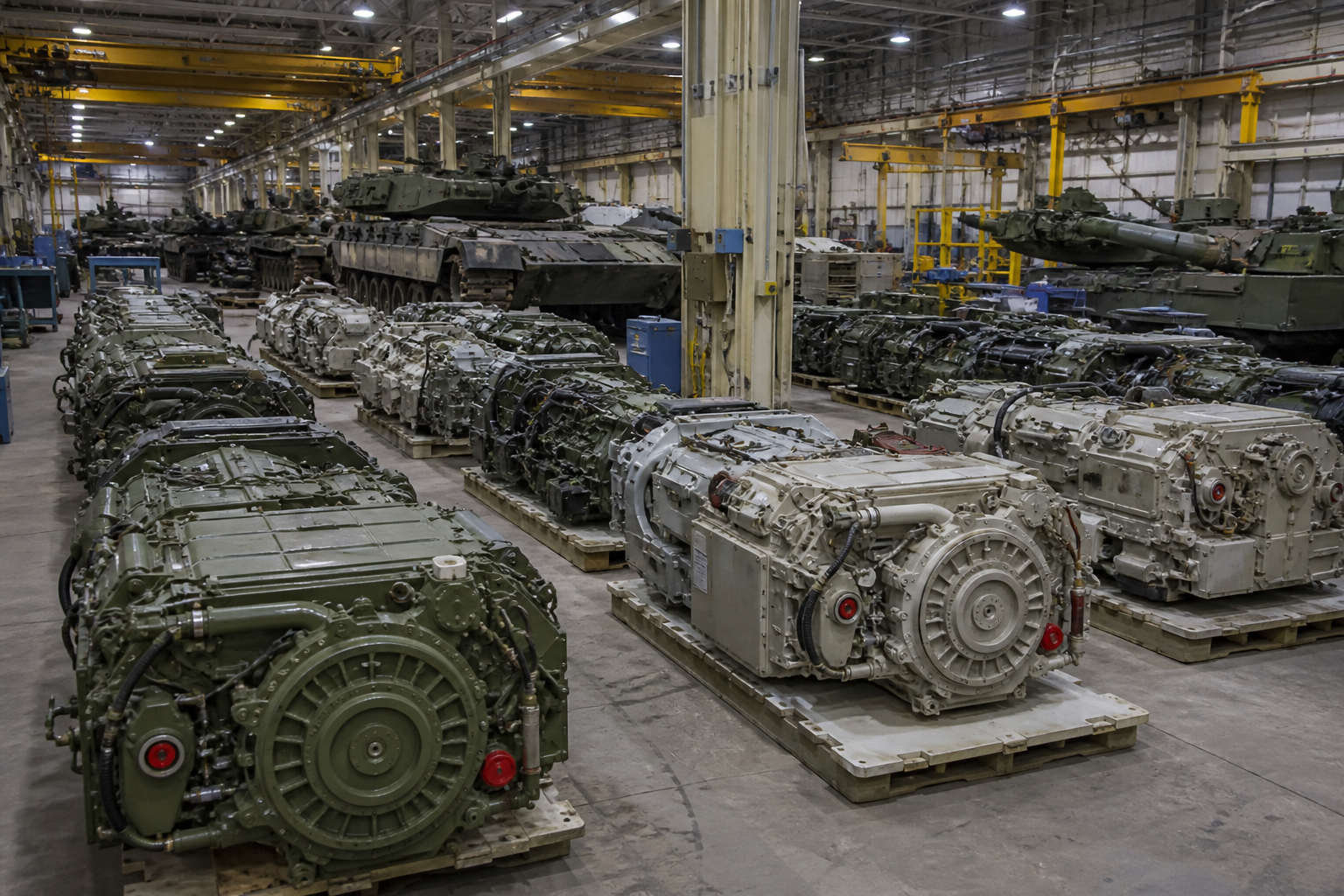
Summer 2026: Bastion driveline and Forge kits flow to partner depots overhauling armor after high-tempo operations and exercises.
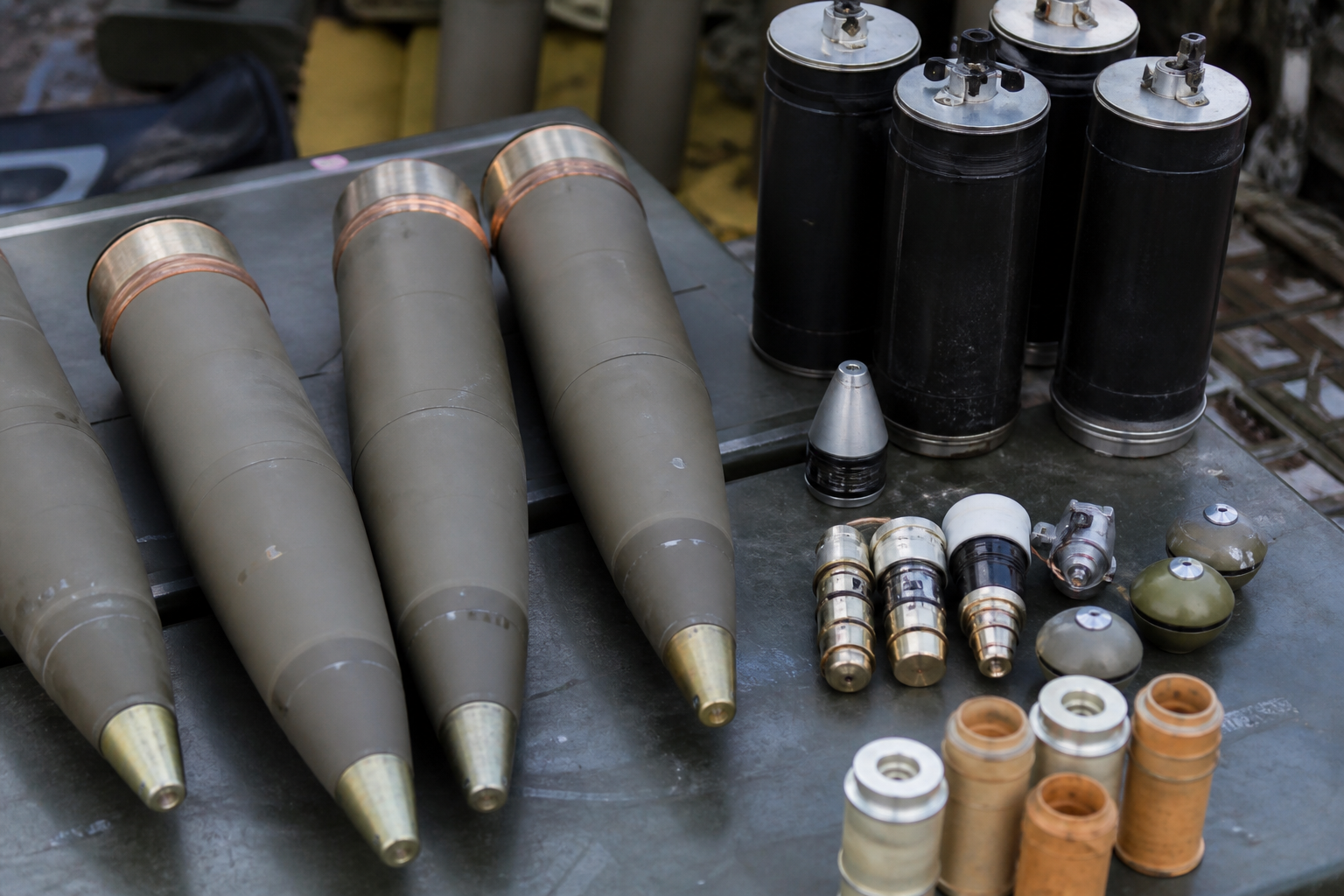
Why caliber alone is not enough—propellant, fuzes, survey, met data, and networked fire control decide artillery effectiveness.
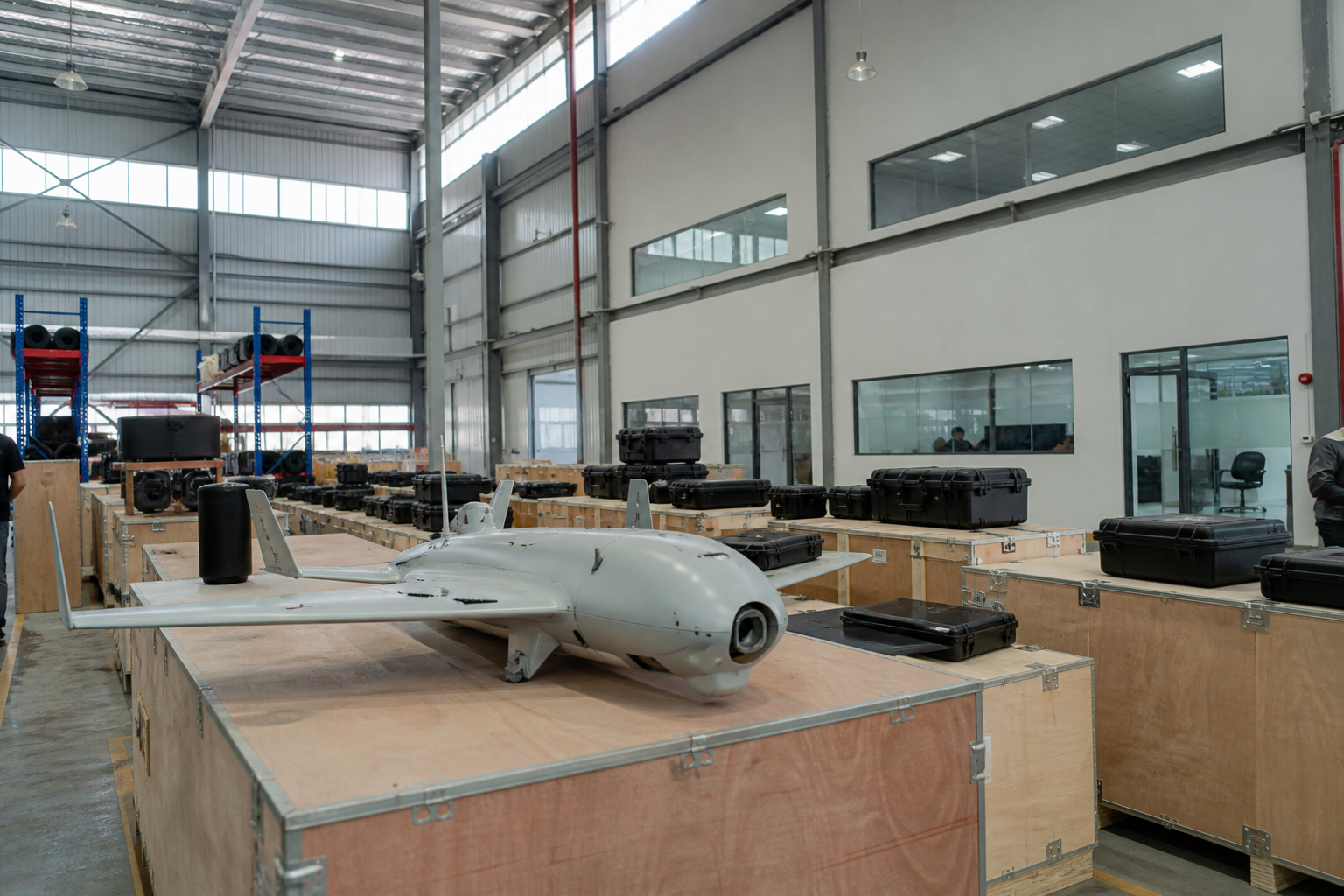
Mid-2026: Bastion expands Singapore logistics and liaison capacity for unmanned, C-UAS, and special-vehicle partners.

Highlights from Bastion’s 2026 Capital Markets Day—investor ownership, CEO retention, backlog, and the sensors-led margin plan.
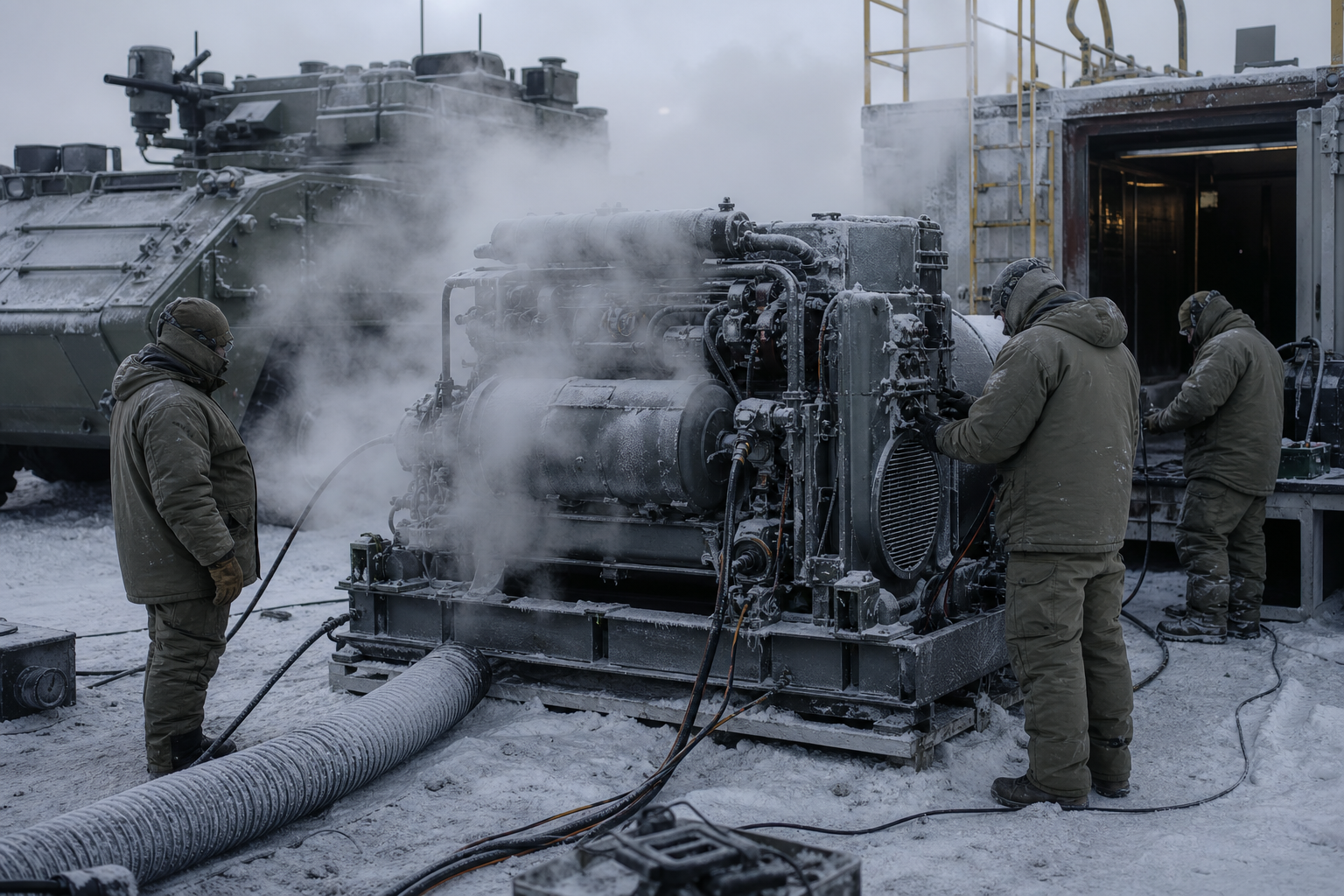
2026: Joint arctic cold-start propulsion packages certified for Forge powerpacks on partner heavy armor.

Spring 2026: Additional Bastion Citadel armored vehicles enter service with high-security and diplomatic protection details.
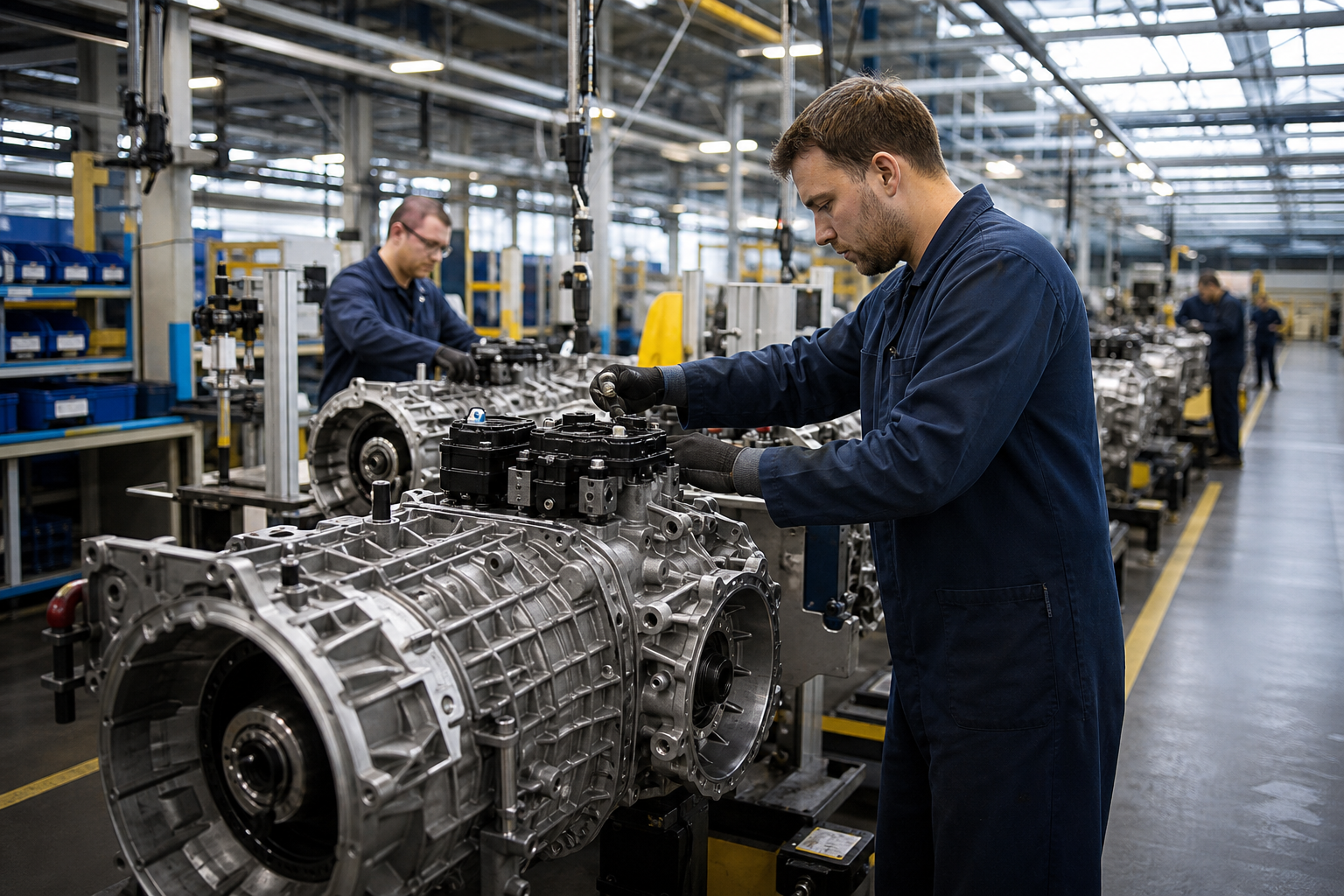
2026: Bastion and Torqwerk AG move from teaming to higher-rate series production for DT-900 driveline kits.
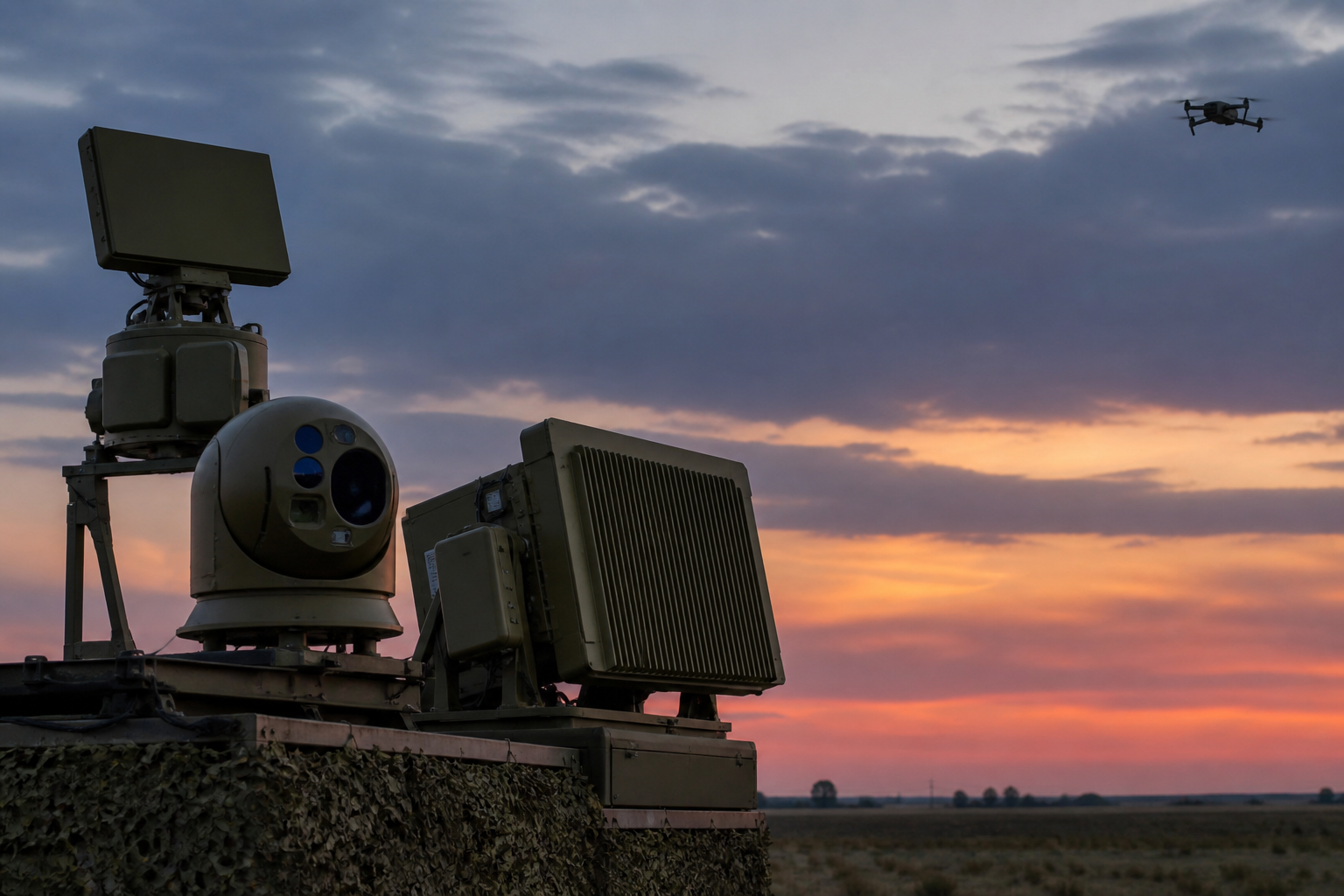
A practical stack for drone defense—radar, RF sensing, cameras, jamming, and kinetic effectors without magic-bullet claims.
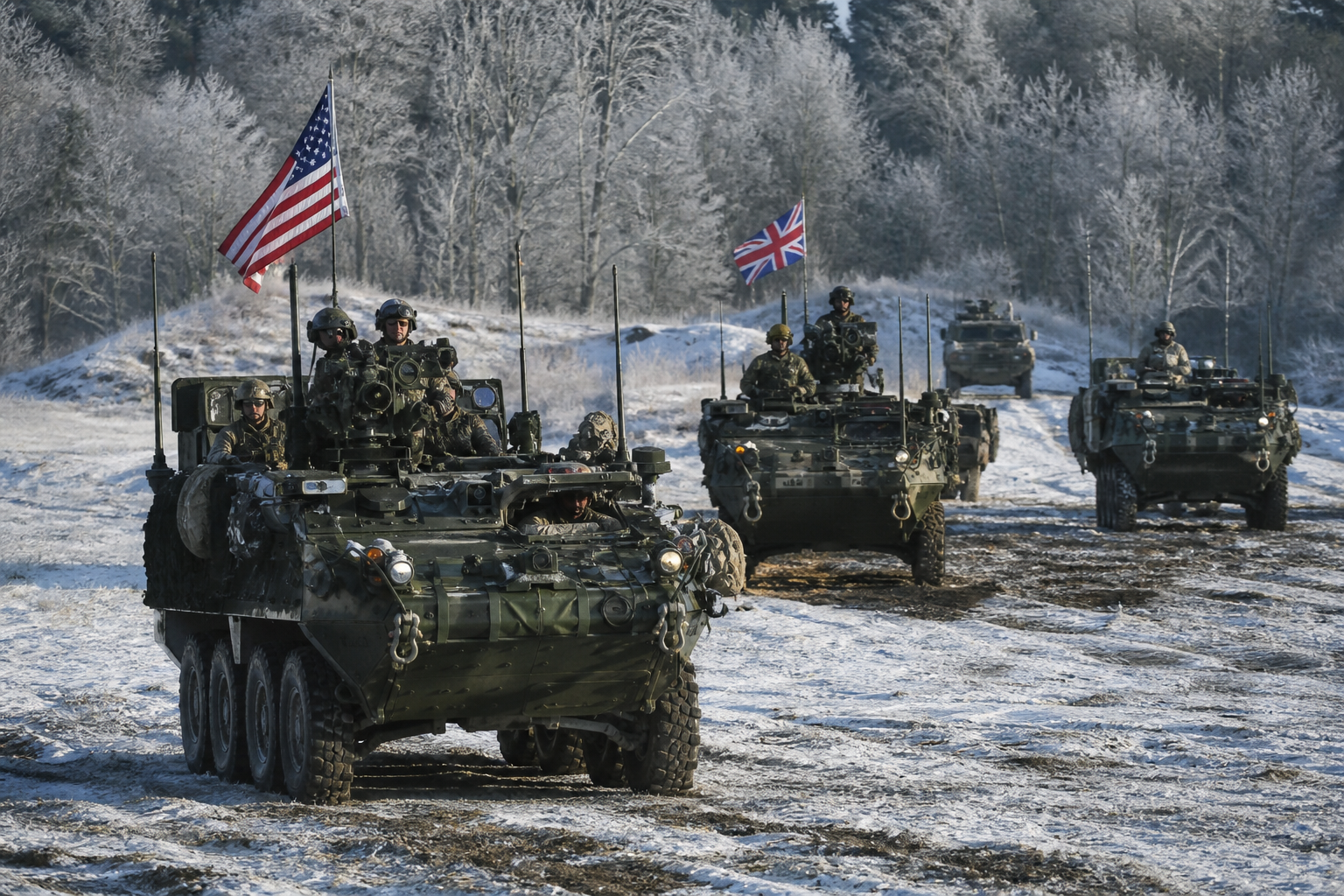
Early 2026: Bastion-supported vehicles, radios, and C-UAS nodes participate in a multinational eastern-flank readiness exercise.
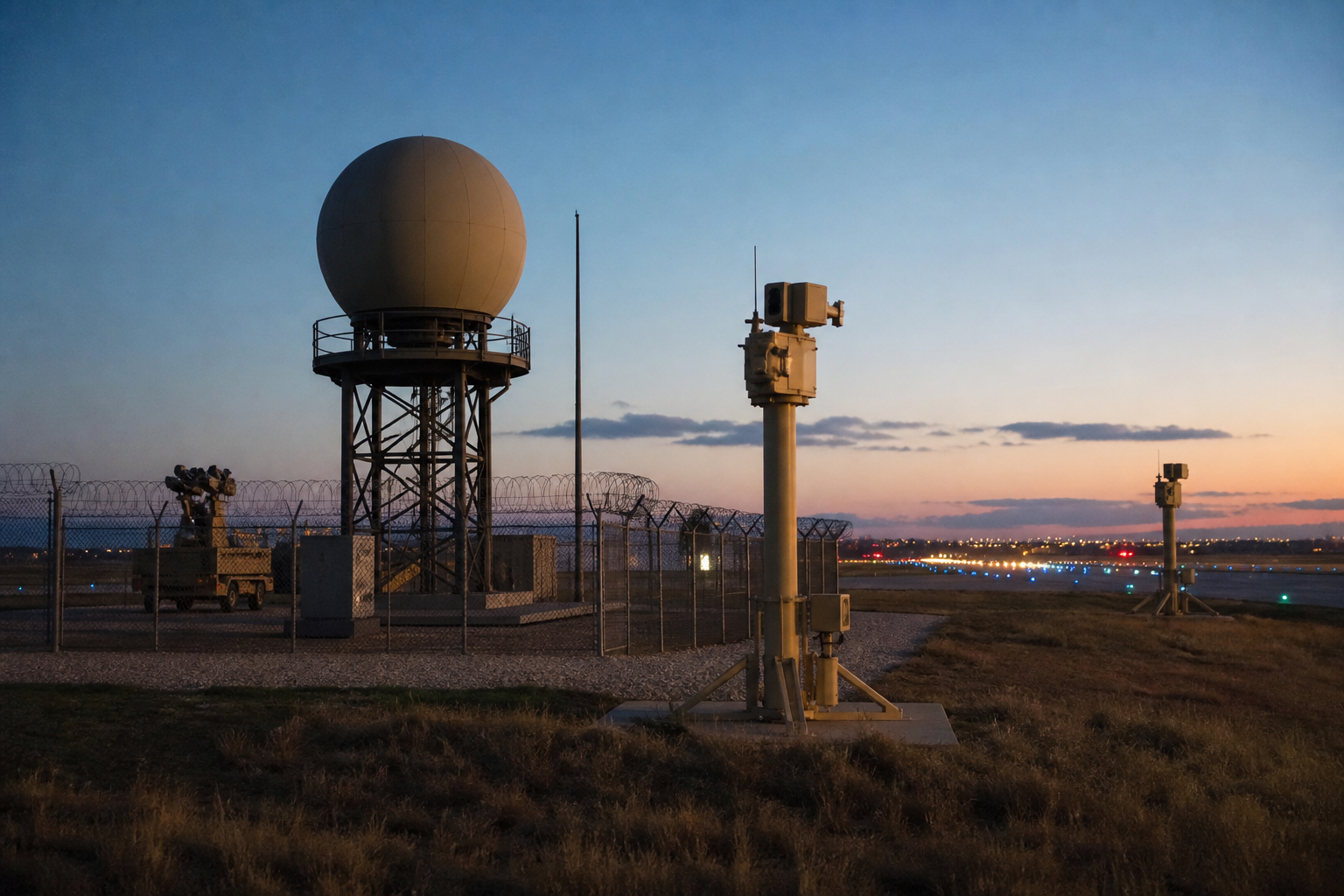
Autumn 2025: Bastion packages radar and C-UAS into a layered base-defense kit adopted by a partner air base.

2025: Bastion expands its LatticeCore partnership into factory digital twins for armor, driveline, and sensor lines.
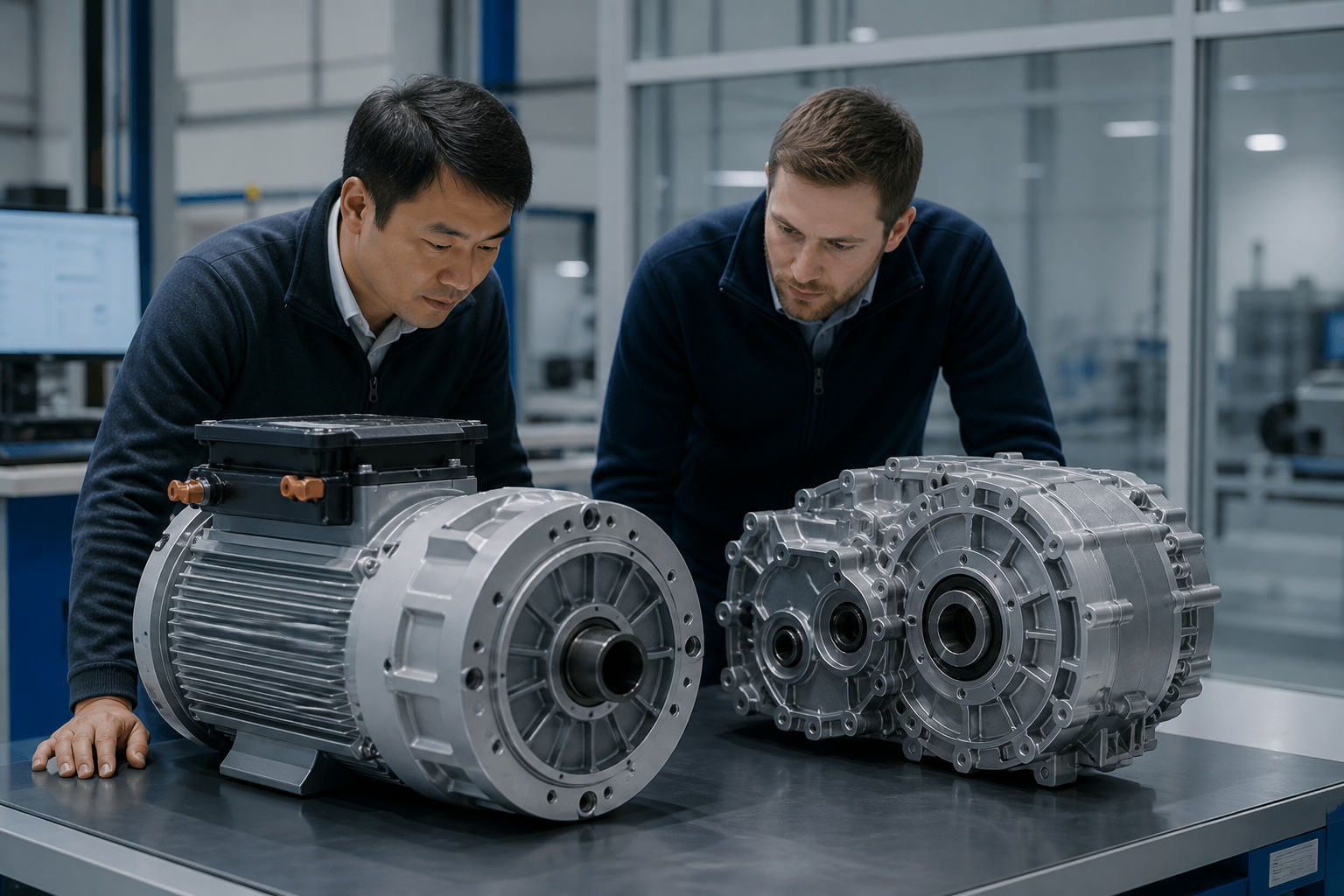
Summer 2025: Bastion forms a driveline joint venture to scale specialised motors and transmissions for tanks and custom vehicles.
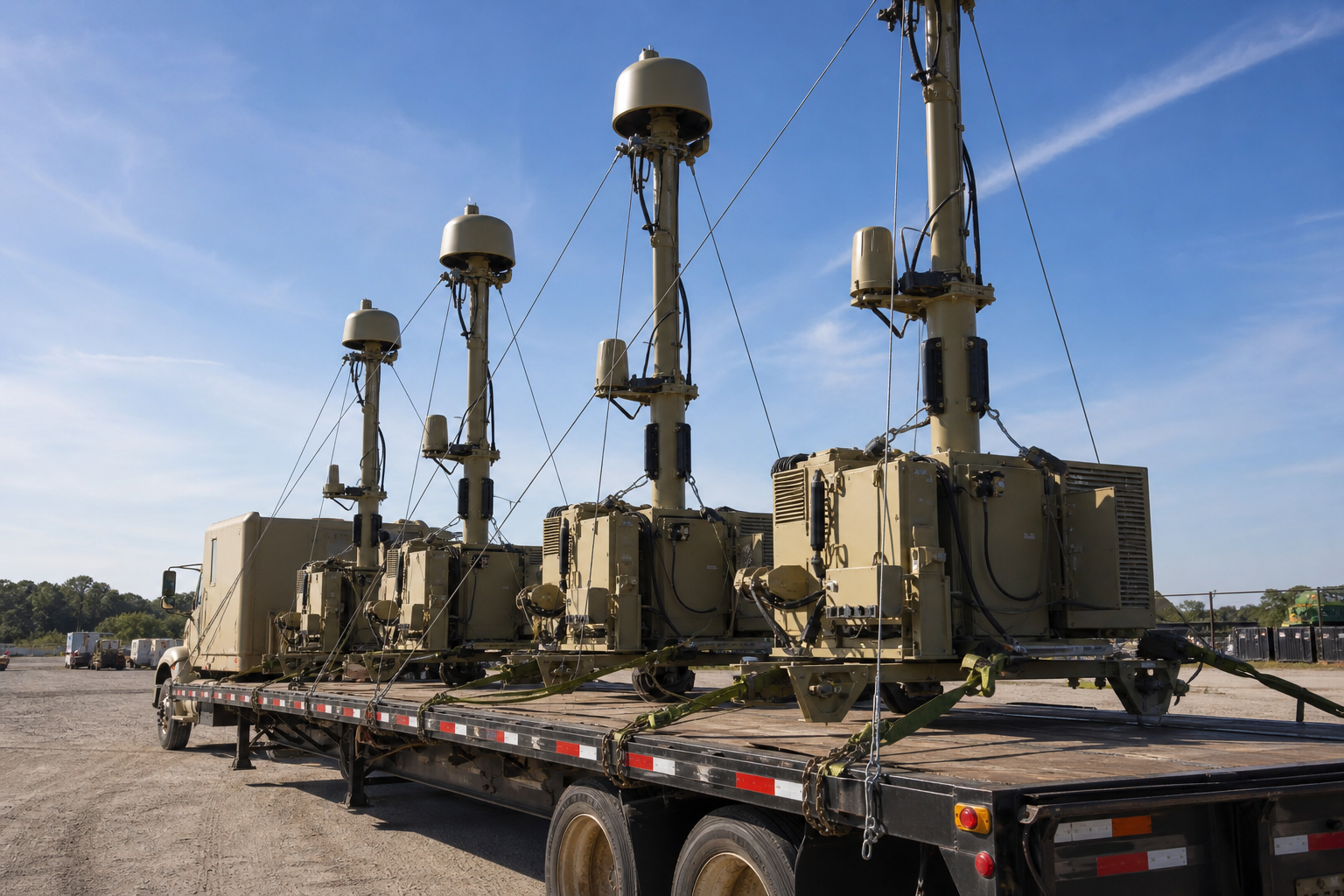
Company news: Bastion’s DX-12 NetGuard counter-drone suite enters a multi-year partner-nation framework for base and convoy protection.
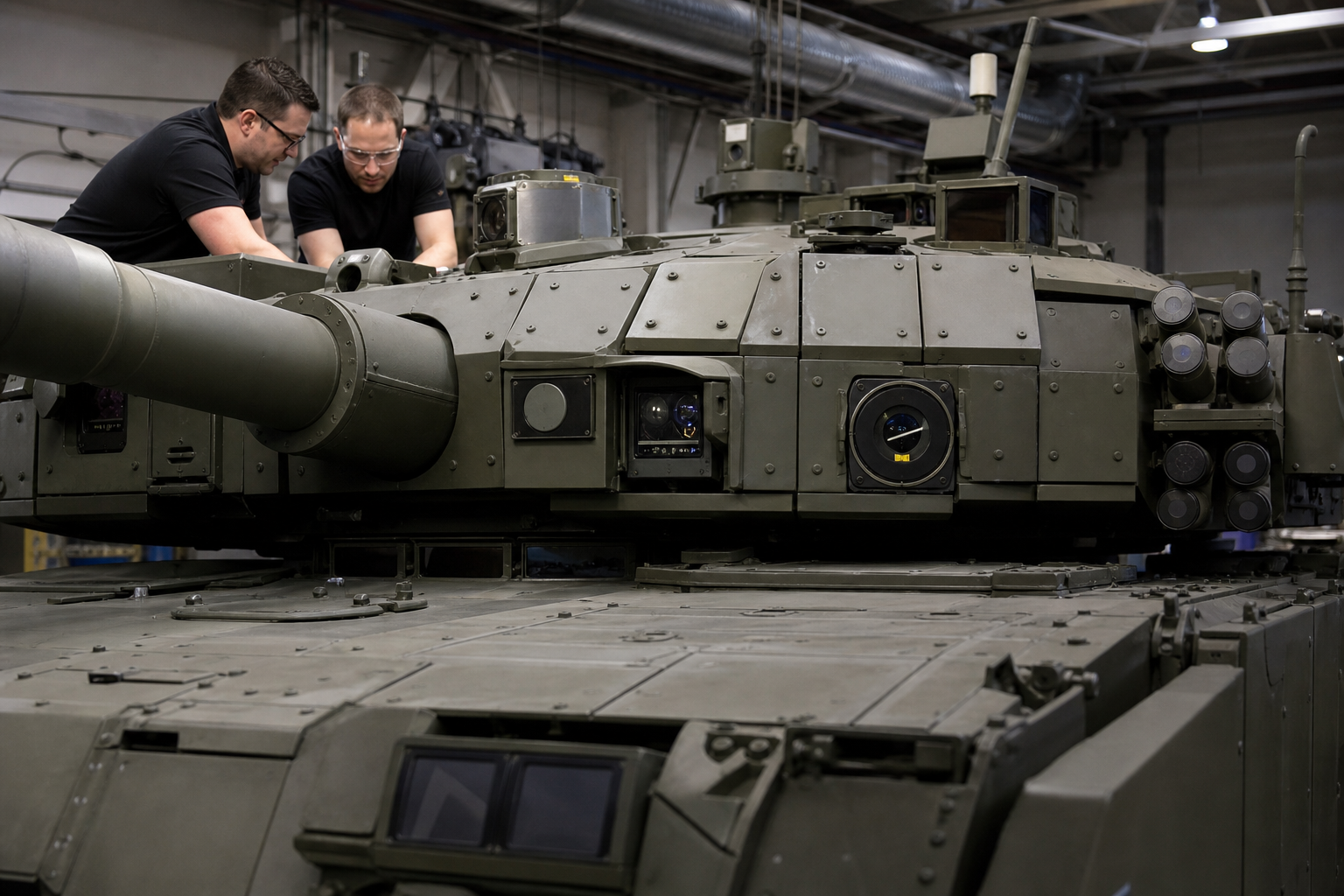
2025: Second-phase teaming on ERA interfaces and APS clearance envelopes for Bastion armor modules and partner hulls.
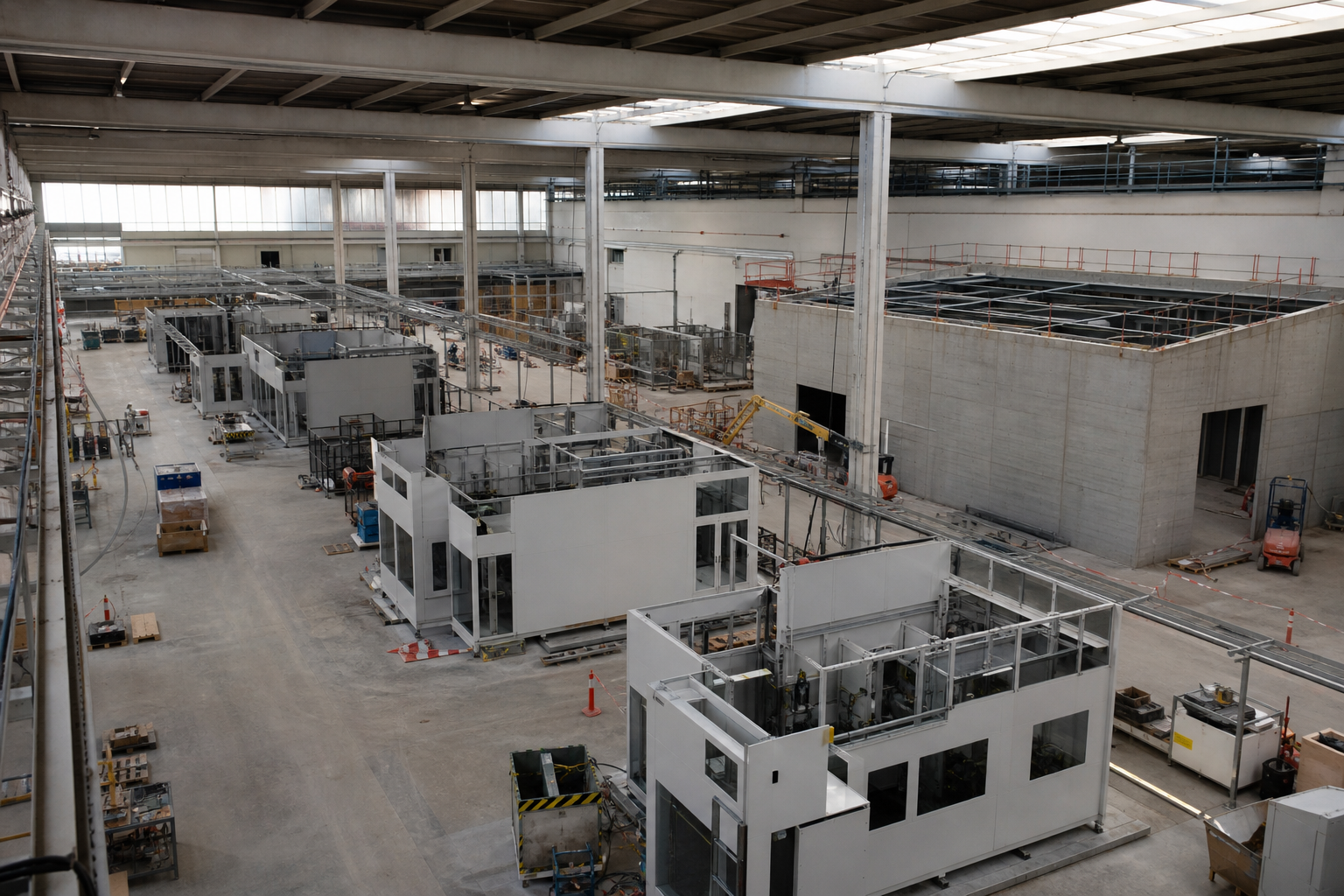
Bastion invests in additional Forge PX-1500 powerpack cells at Winterthur to support armor overhauls and new-build Vanguard hulls.
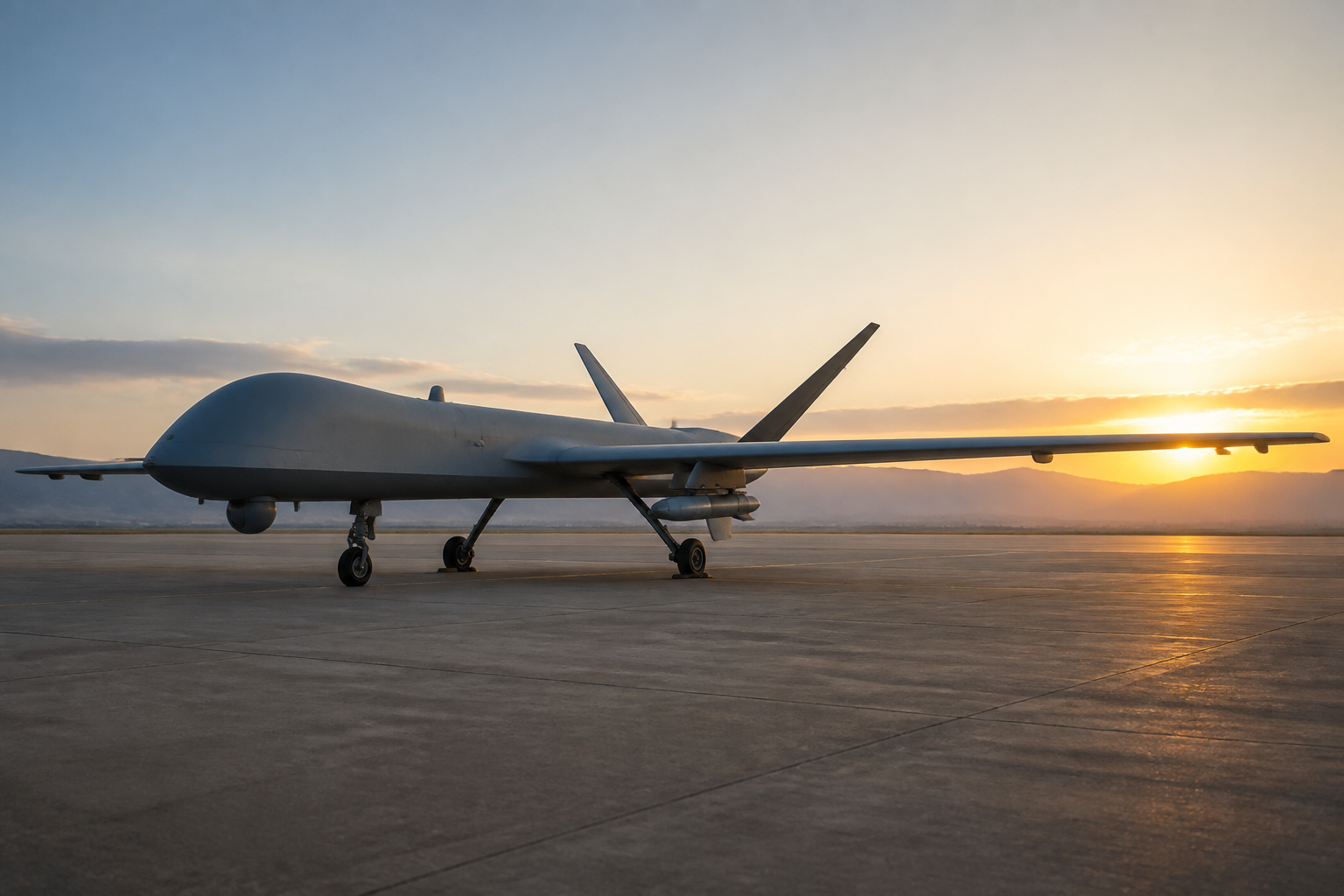
What loitering munitions are, how they differ from cruise missiles and drones, and why they reshape tactical air defense demand.
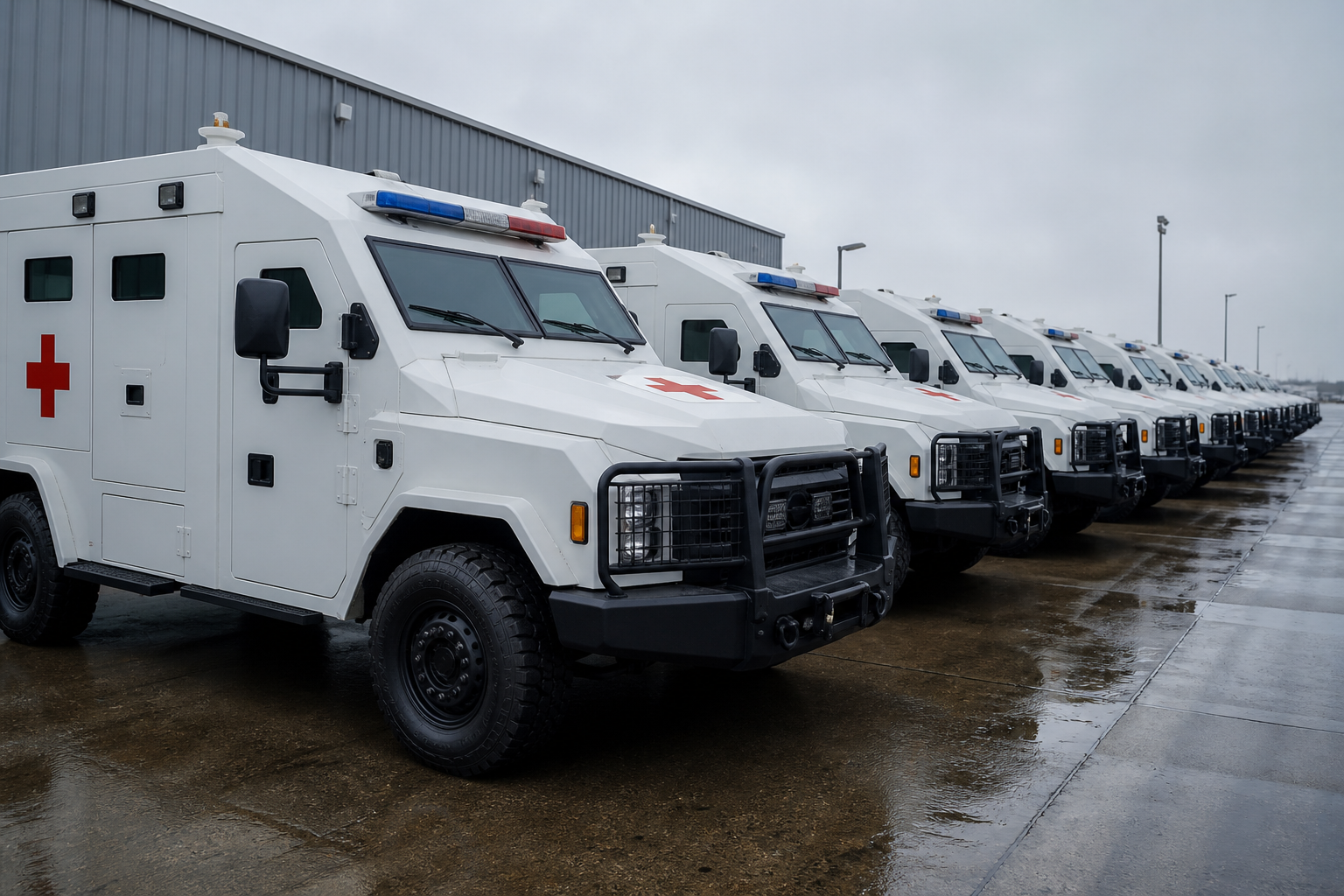
2025: Partner forces take delivery of specialised armored ambulances for protected casualty movement on high-threat routes.
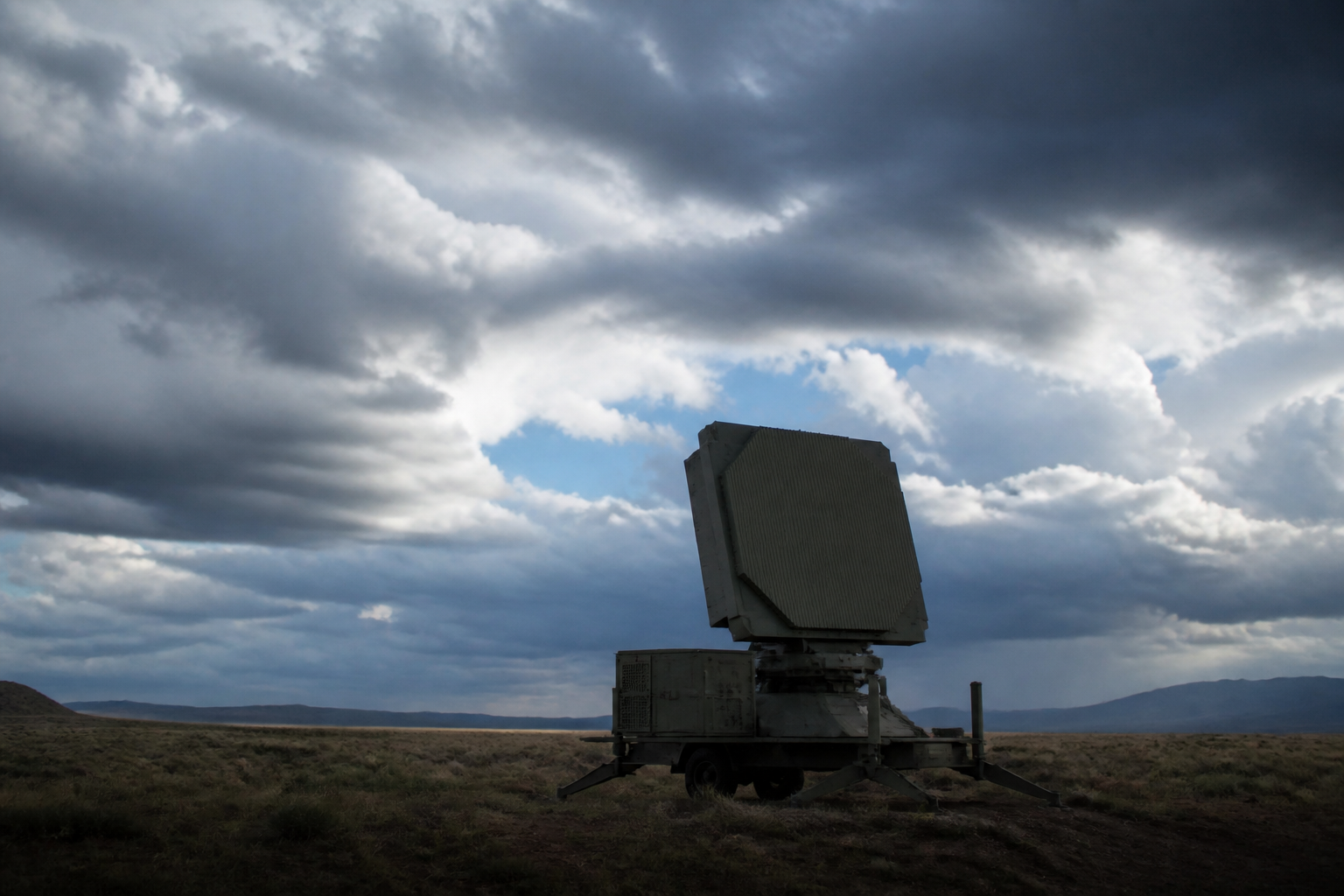
How active electronically scanned arrays track aircraft and drones for air defense—and what mobility and ECCM really mean.
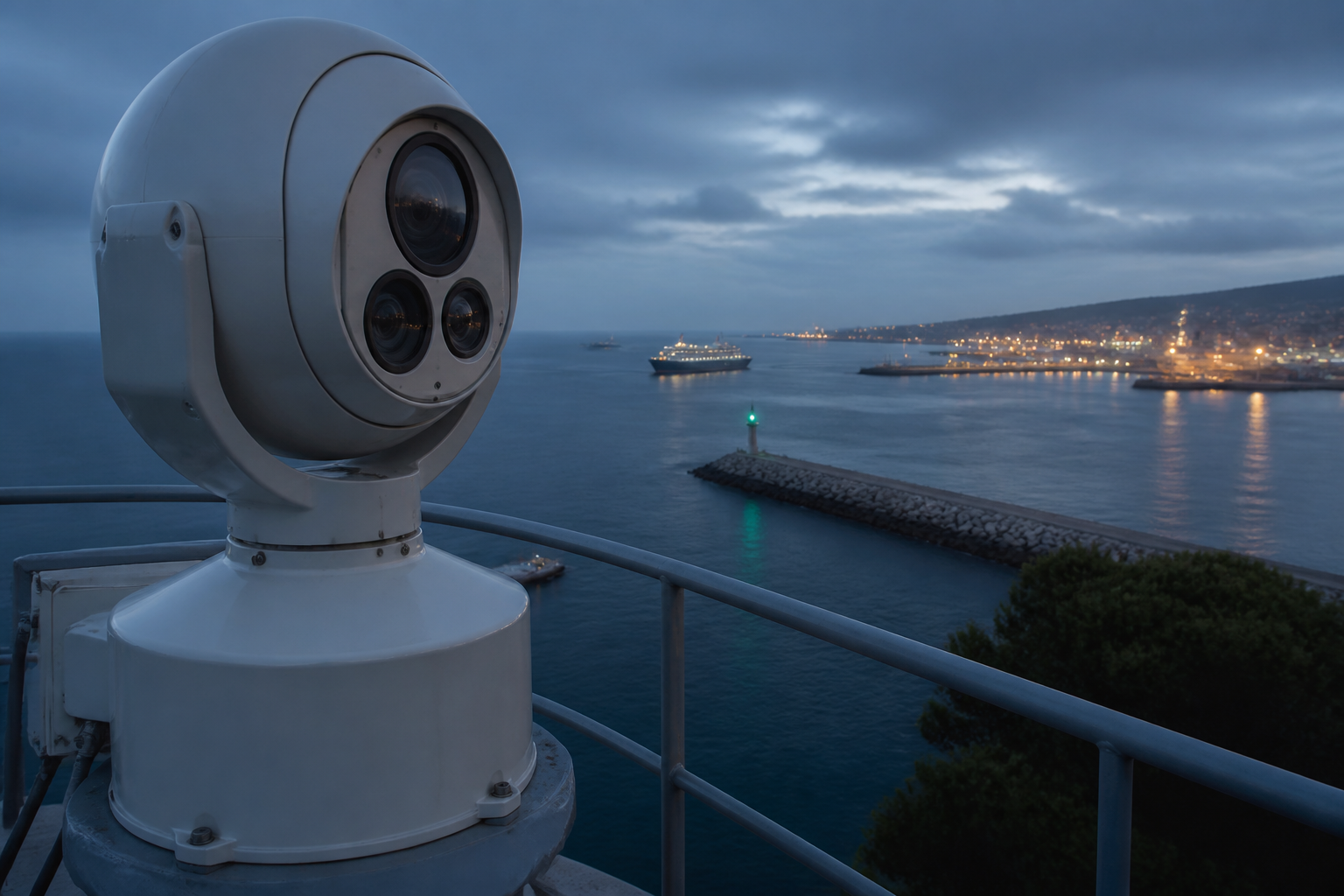
Early 2025: Bastion electro-optics join a partner coastal surveillance upgrade covering approaches and harbor mouths.
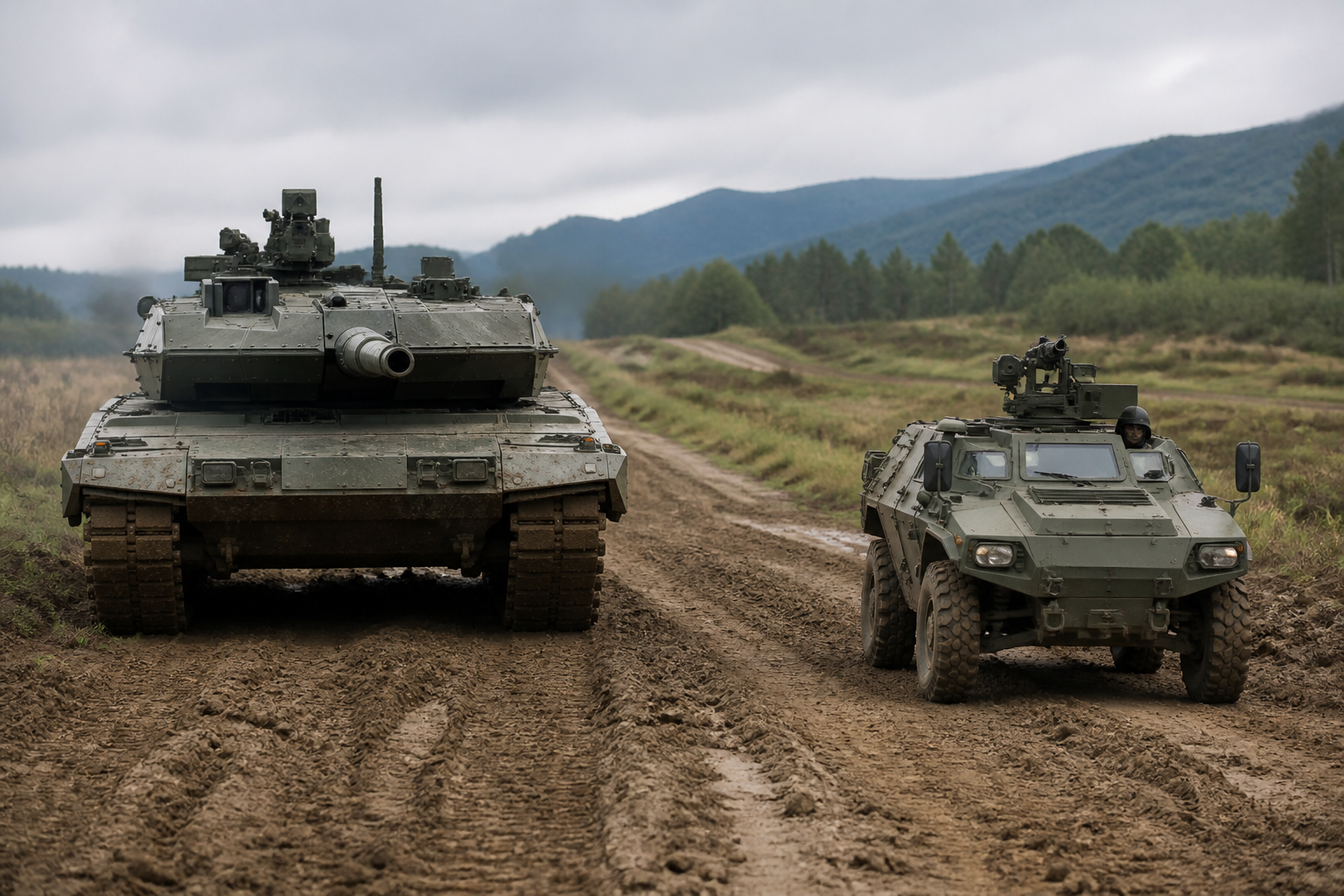
A practical comparison of tanks, IFVs, MRAPs, and armored cars—when each vehicle class actually makes sense.
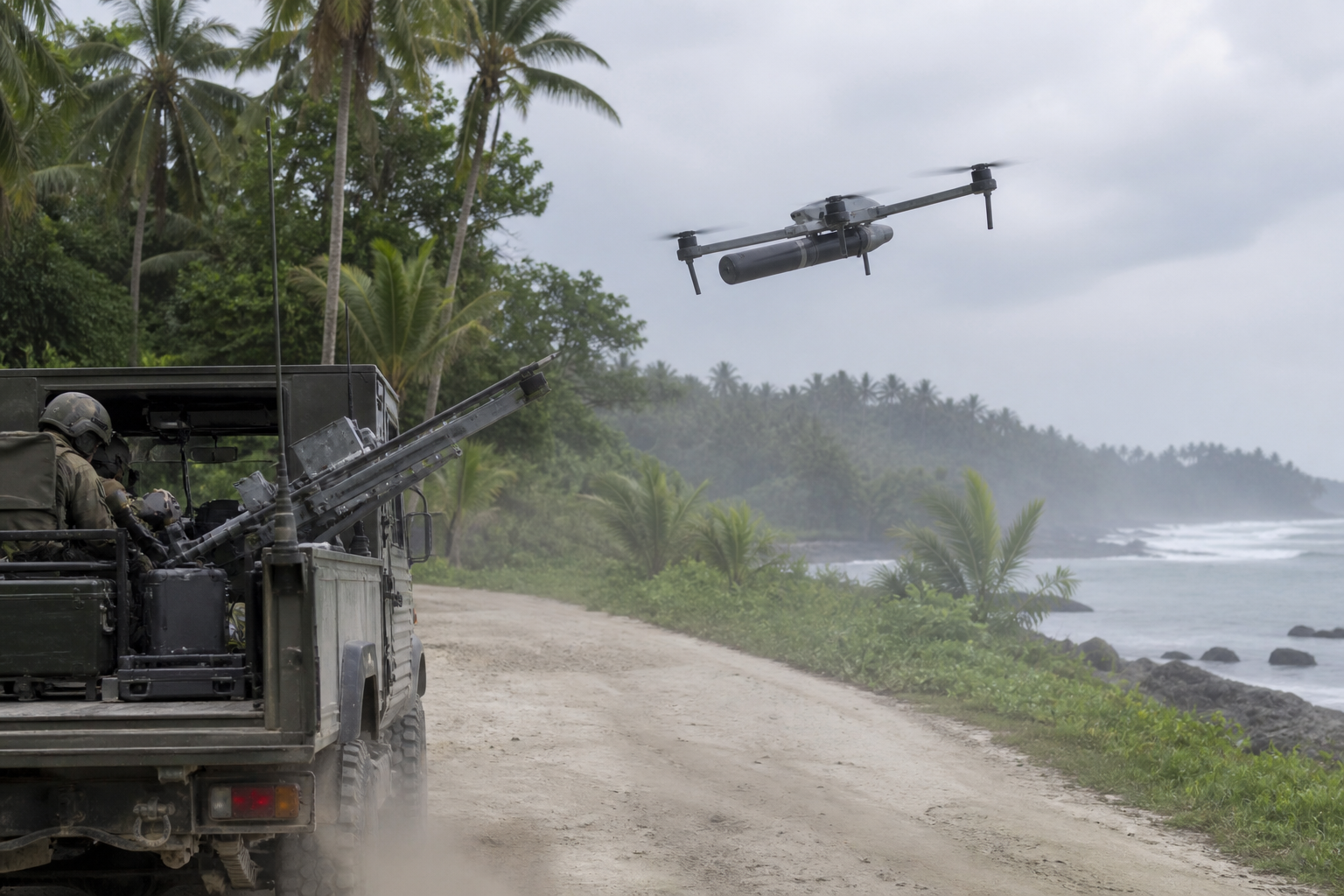
Late 2024: Bastion Wasp drones and Singapore hub staff support partner convoy ISR training in the Indo-Pacific.
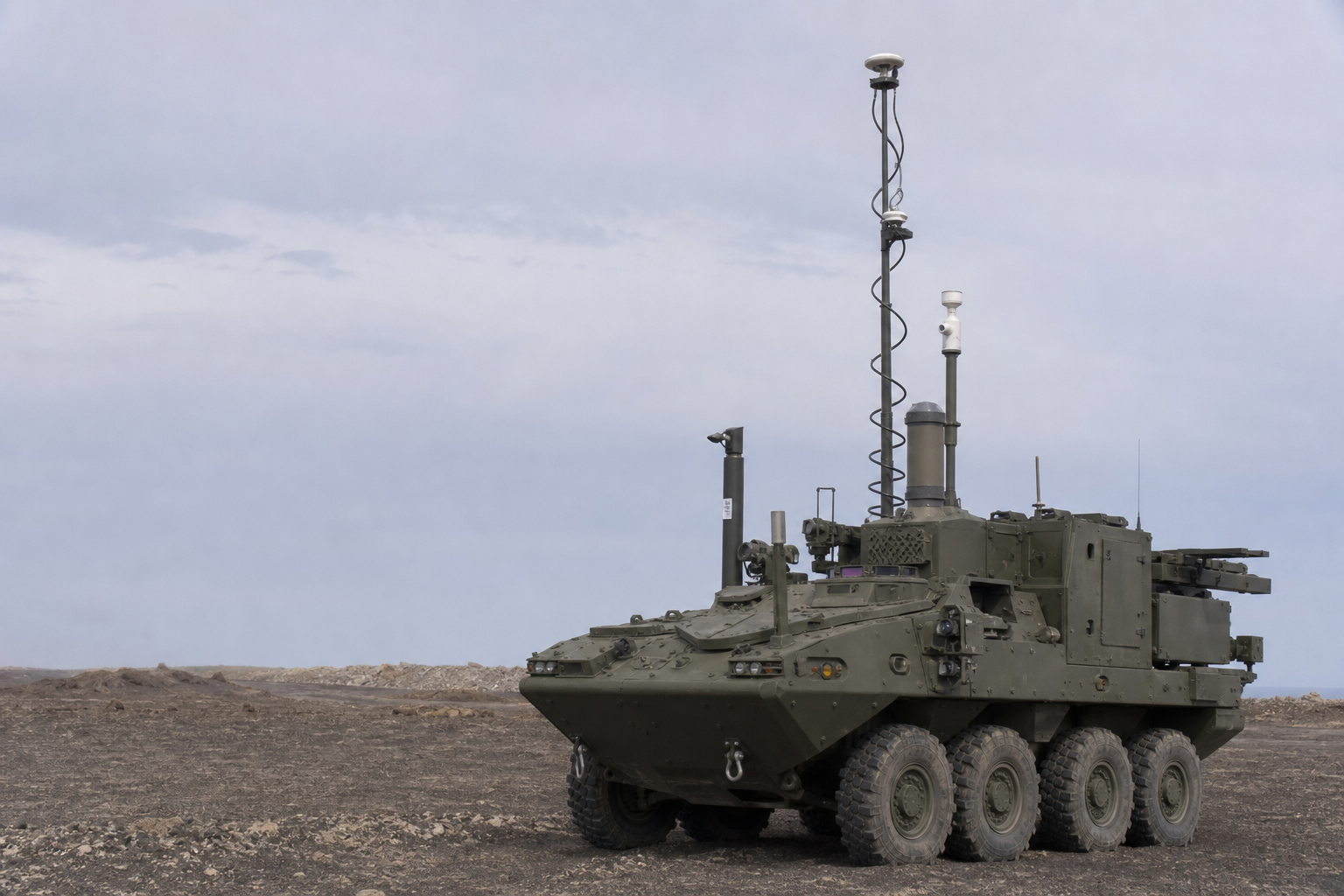
How specialized reconnaissance vehicles detect chemical, biological, radiological, and nuclear hazards for maneuver forces.

Autumn 2024: Bastion reassures industrial partners that teaming agreements survive the founder-to-investor ownership transition.
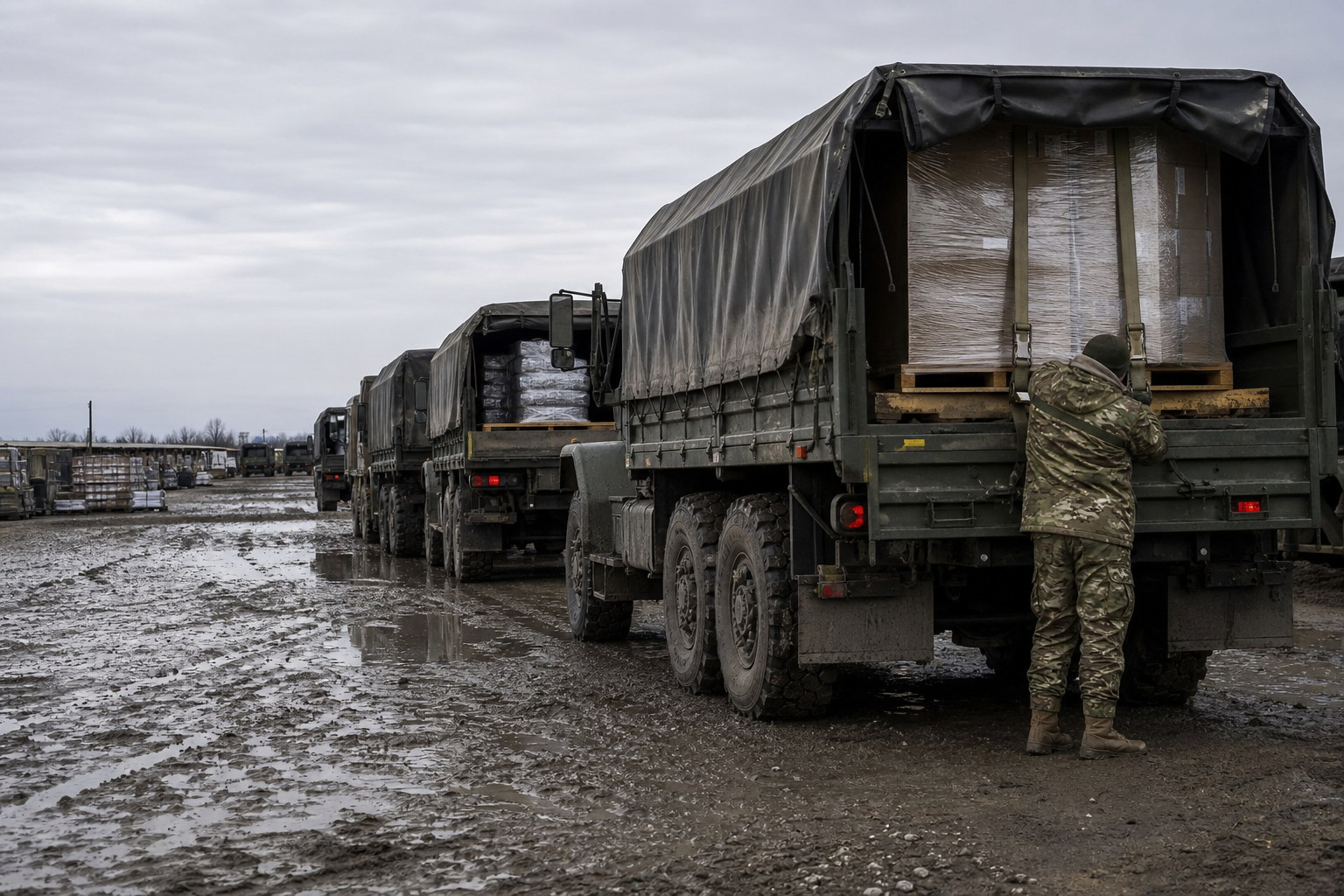
Fuel, ammo, and water carriers—why tactical trucks decide whether combat vehicles keep fighting after day three.
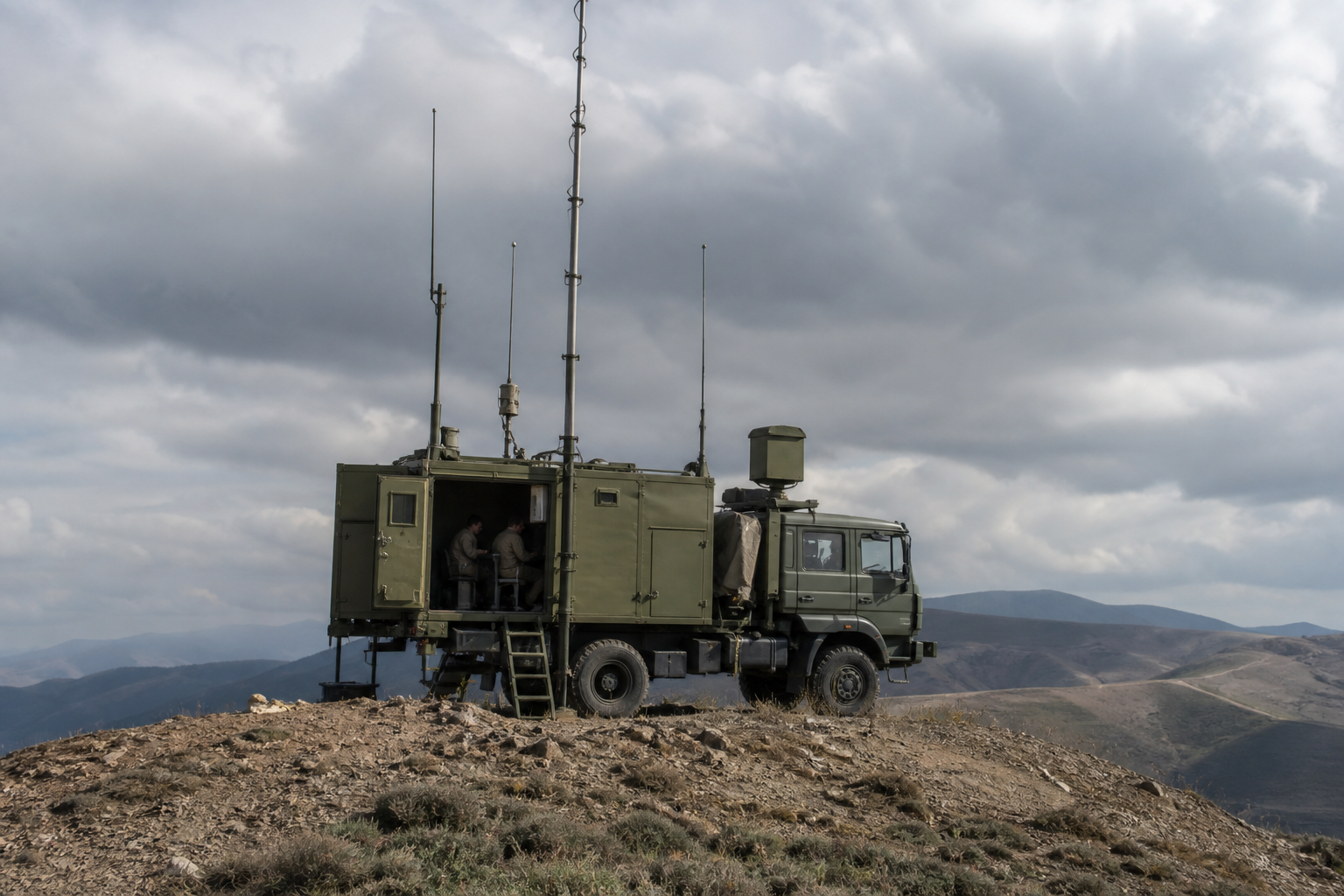
What ground EW trucks do—detect, locate, and disrupt radios, links, and some drone control channels—without Hollywood myths.
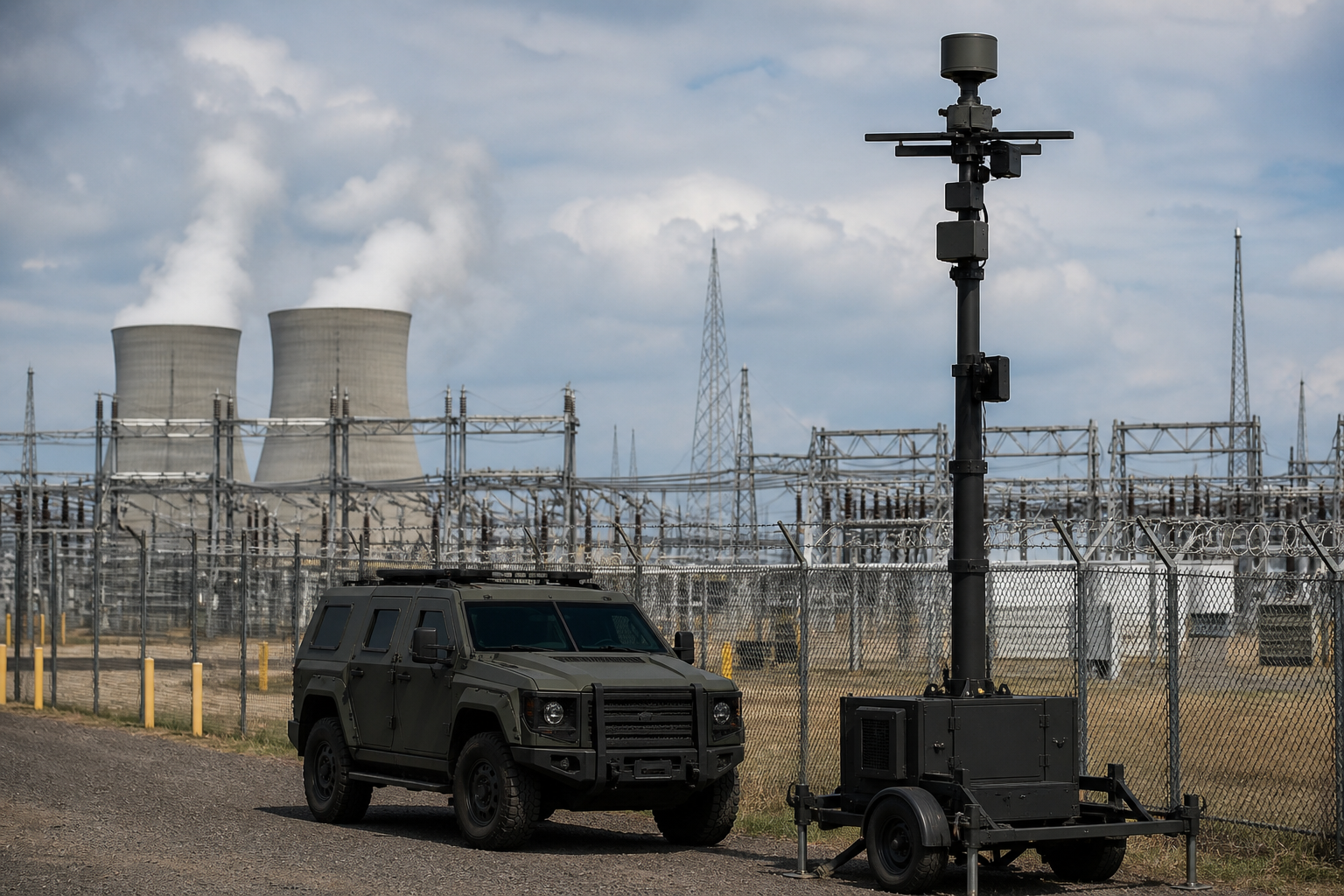
2024: Bastion helps partners protect people and infrastructure at selected energy facilities with layered drone defense and armored patrol vehicles.
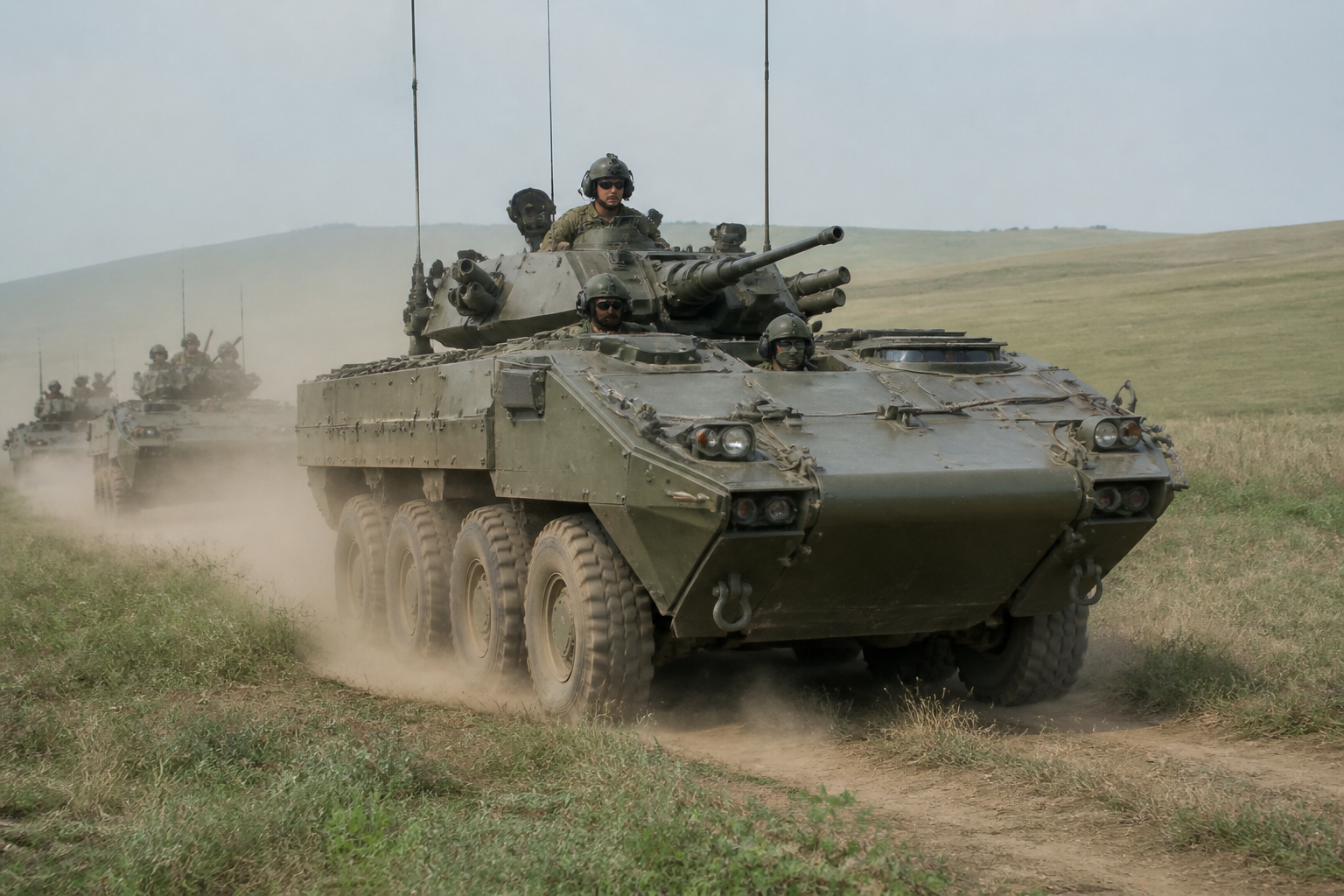
Why medium wheeled brigades exist—strategic airlift, road speed, and modular mission variants around a common hull.
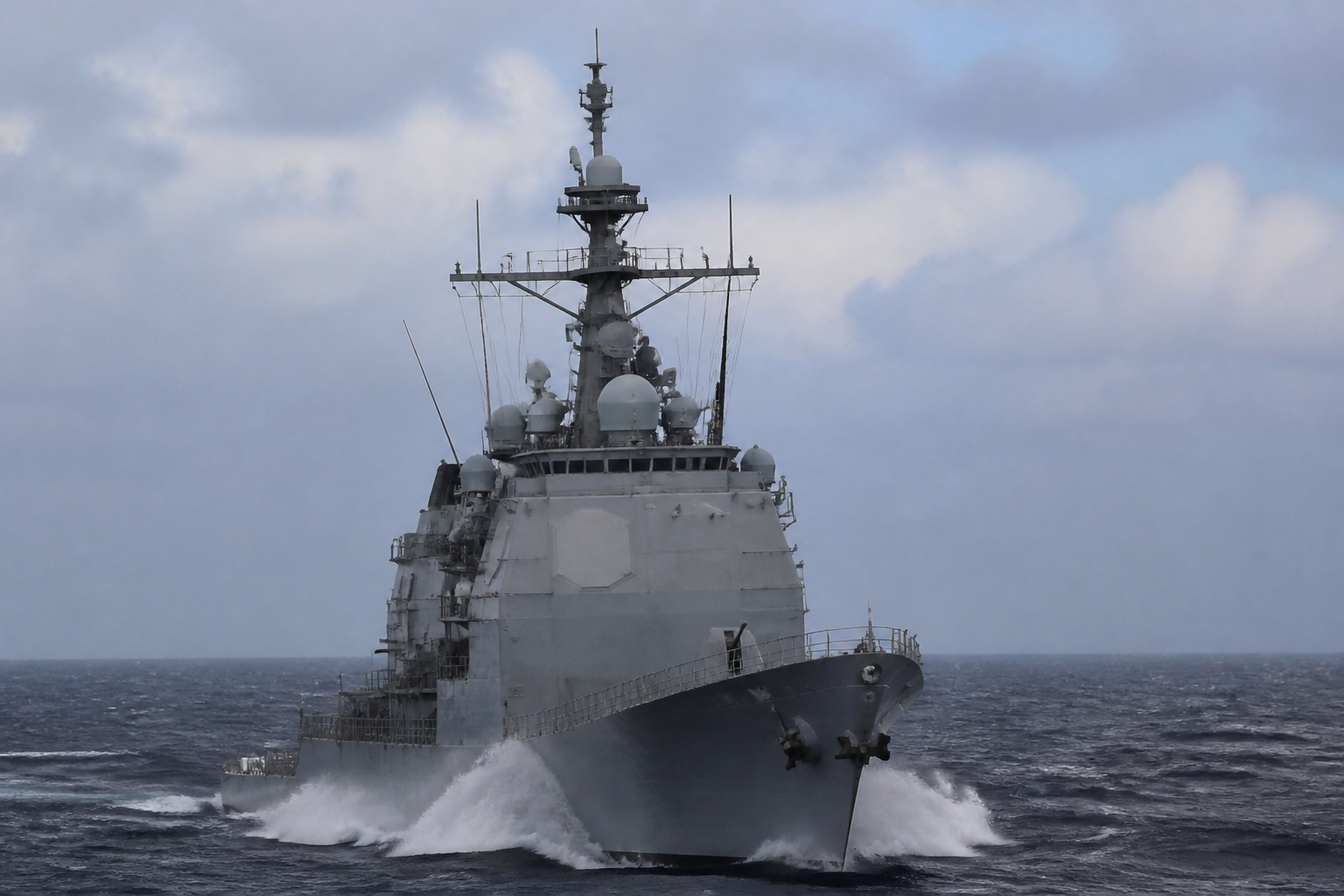
How Aegis combat systems and Burke-class destroyers form the backbone of many allied naval air-defense screens.
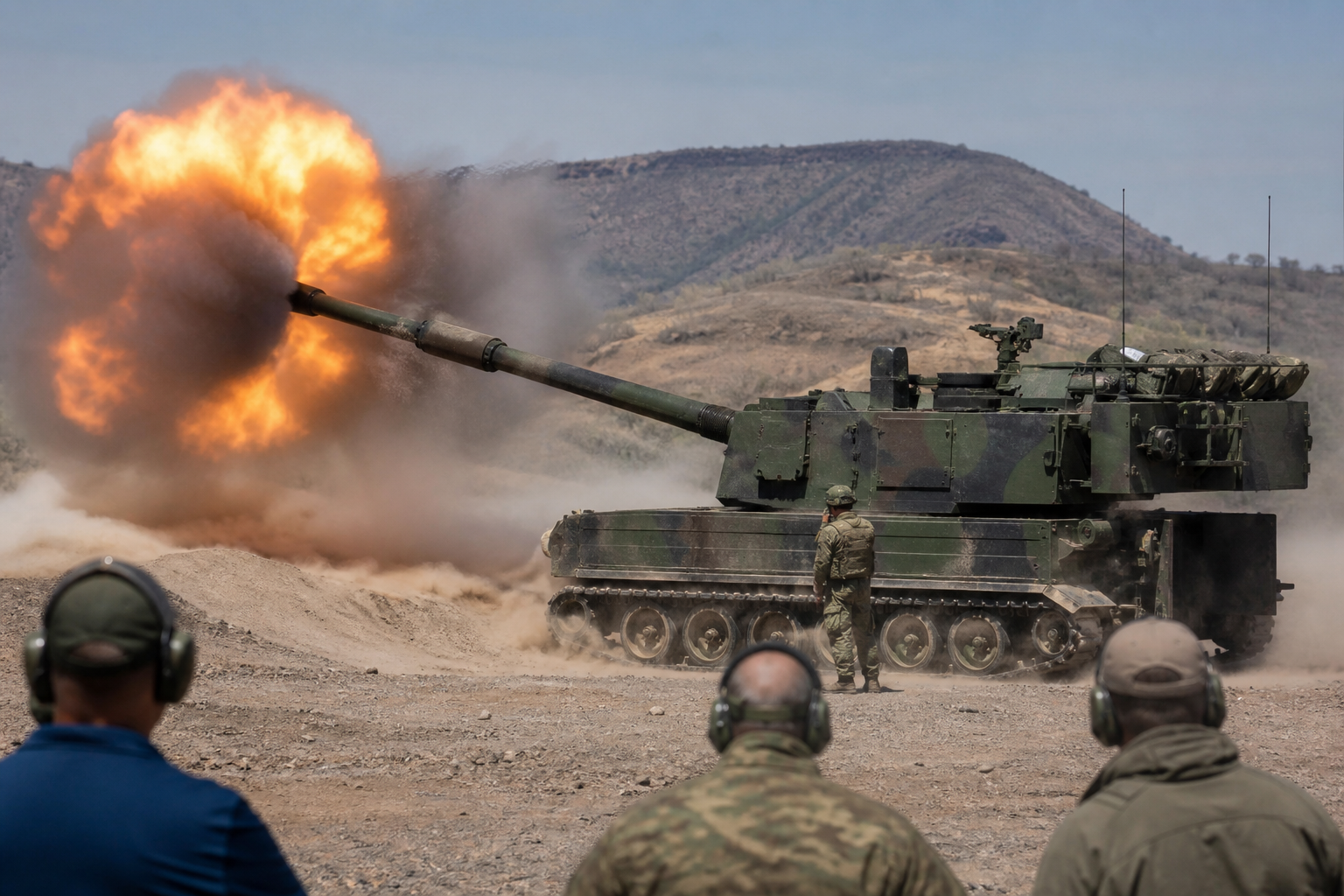
Early 2024: Bastion’s 155 mm Anvil howitzer completes partner live-fire serials ahead of later framework awards.
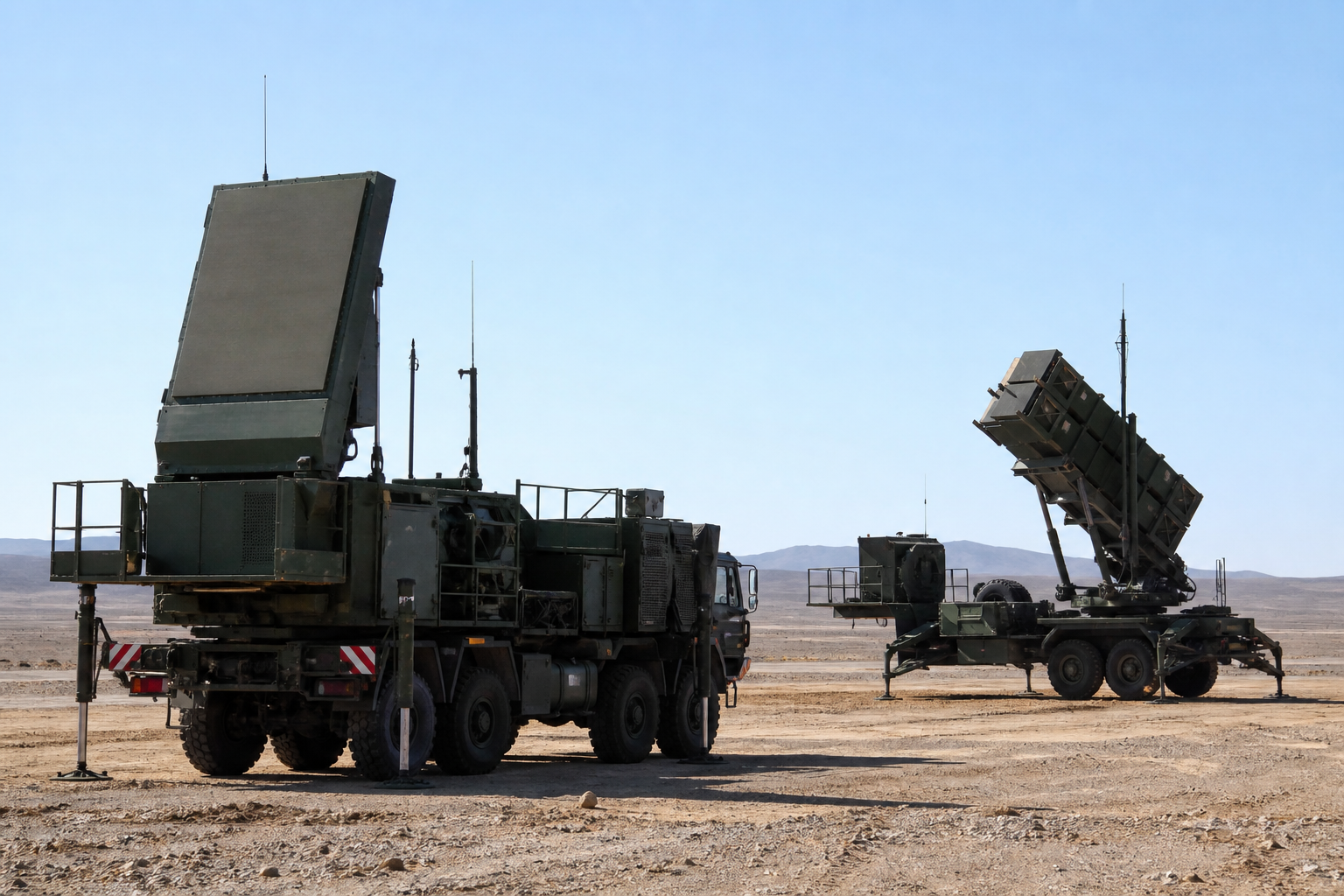
A plain-language look at the Patriot system’s radar-missile battery concept and PAC-3 hit-to-kill interceptors—without classified detail.
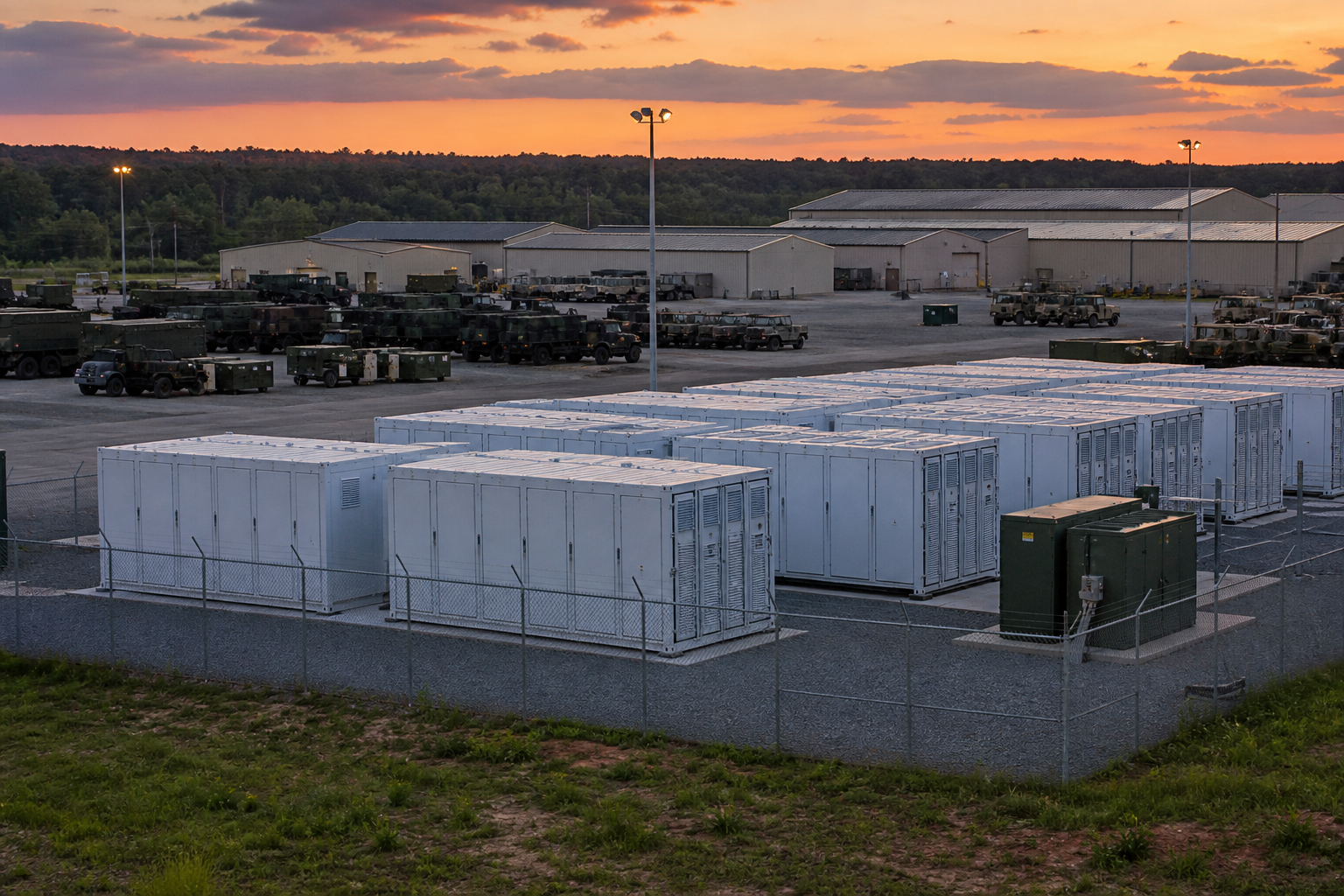
2024: Bastion evaluates Arcvolt GridCell-class storage with partners to cut generator noise at logistics and C-UAS sites.
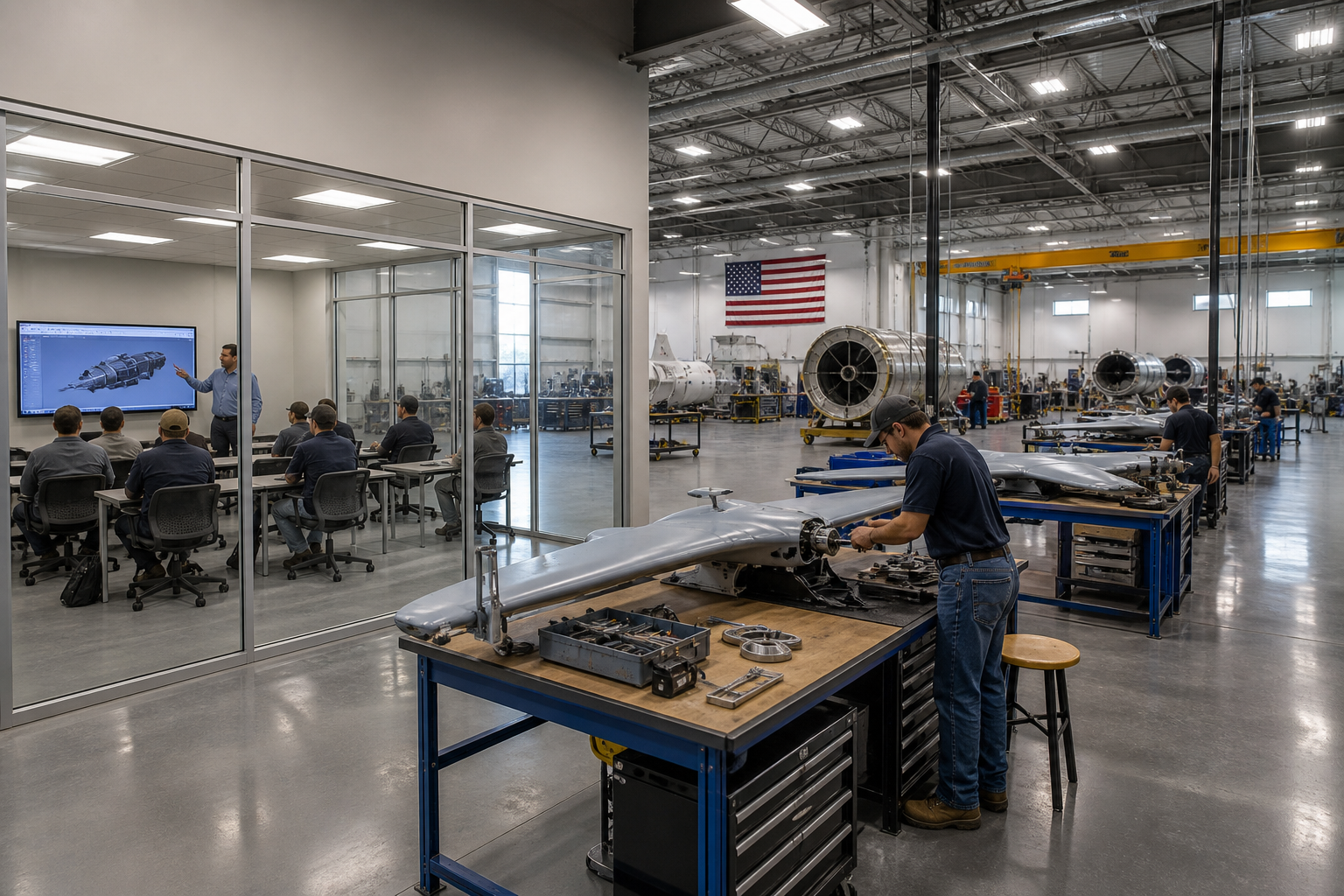
Late 2023: Bastion teams with a U.S. integration partner to stand up Huntsville training and C-UAS support.
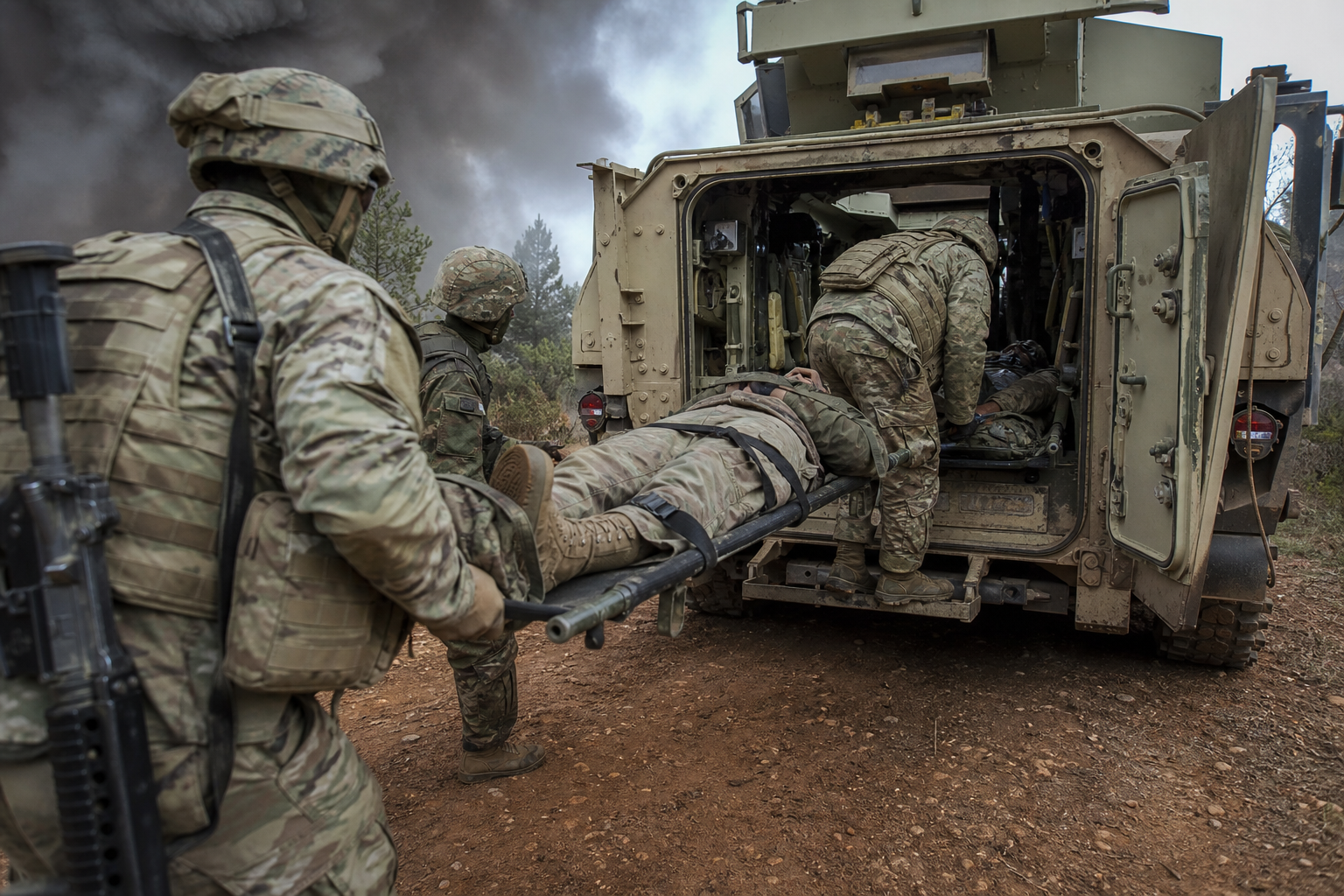
How protected medical vehicles move casualties when the road is still contested—roles, markings, and design constraints.
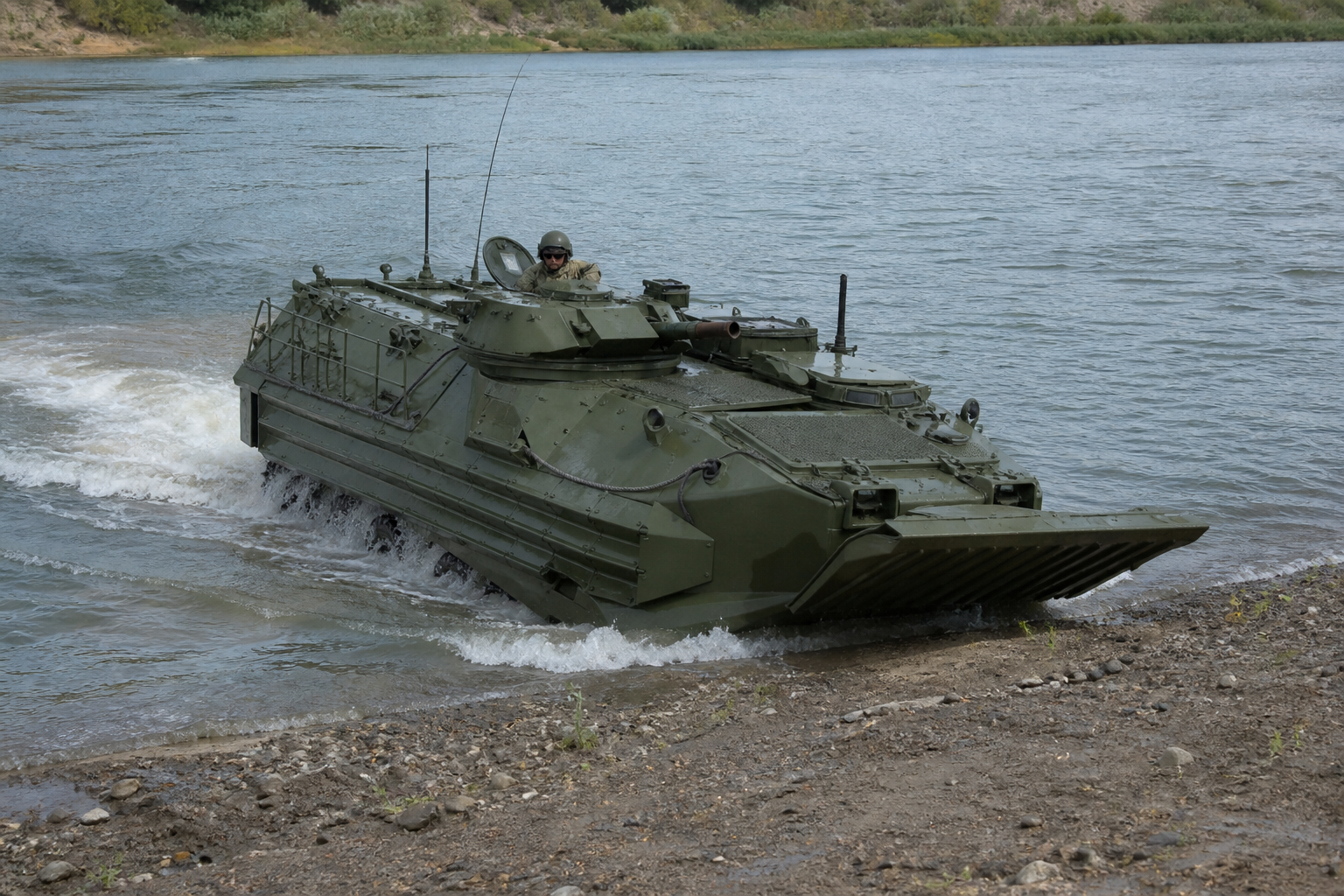
Swimming APCs and assault vehicles—buoyancy, waterjets, and the limits of armor that has to float.
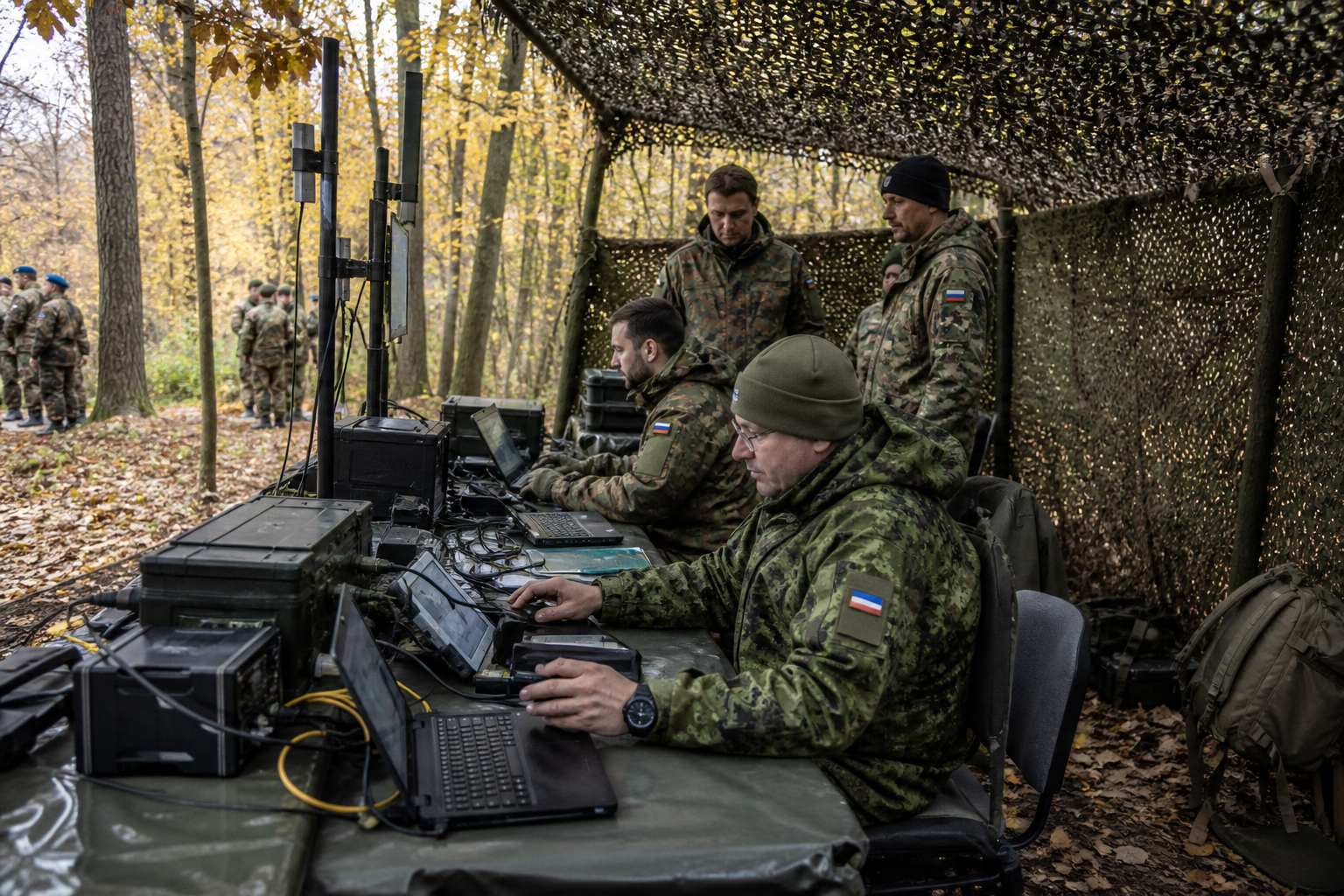
Autumn 2023: Bastion communications gear participates in a multinational C2 exercise on Europe’s northern flank.
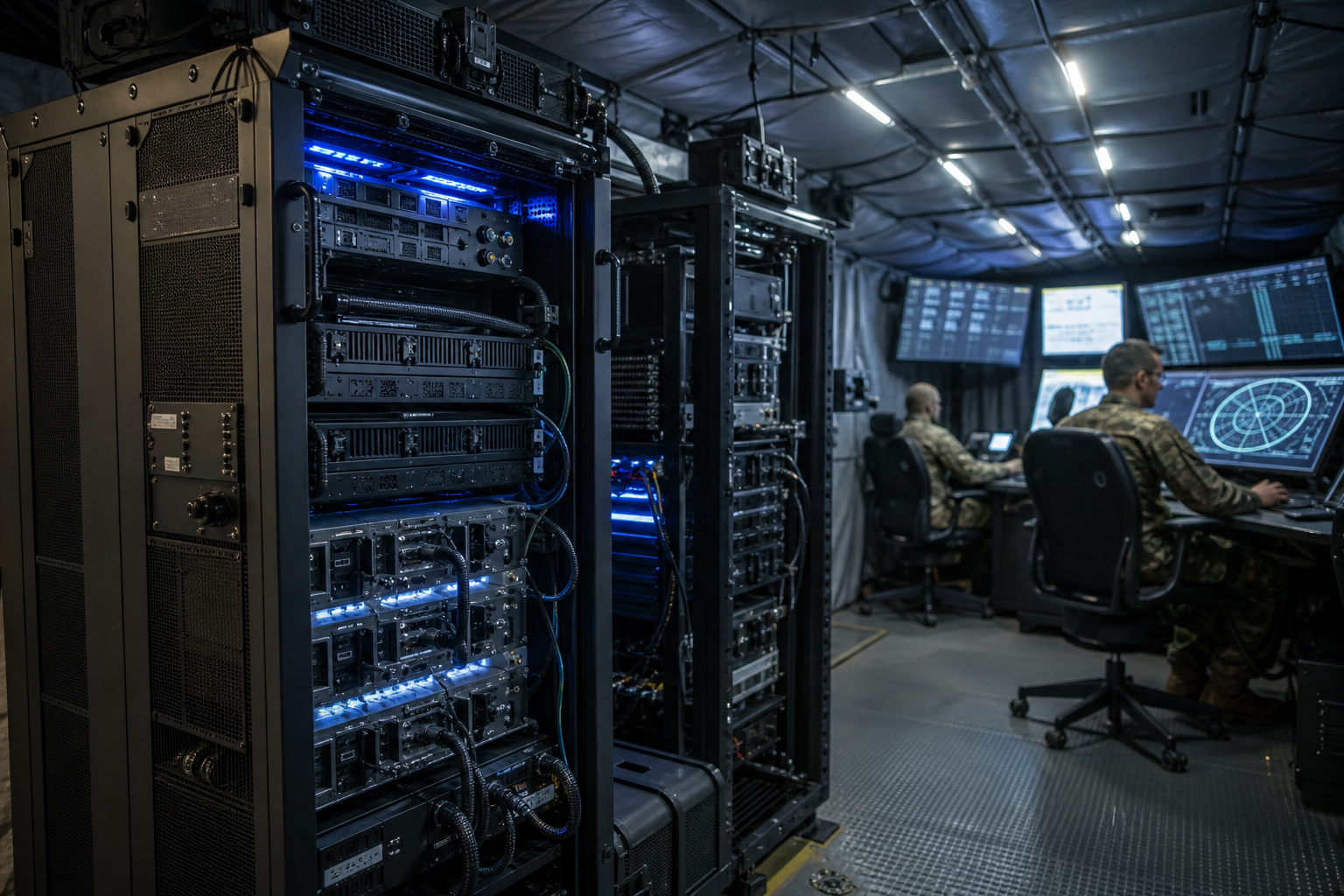
2023: Bastion adopts LatticeCore accelerated computing for on-site sensor fusion in radar and counter-UAS shelters.
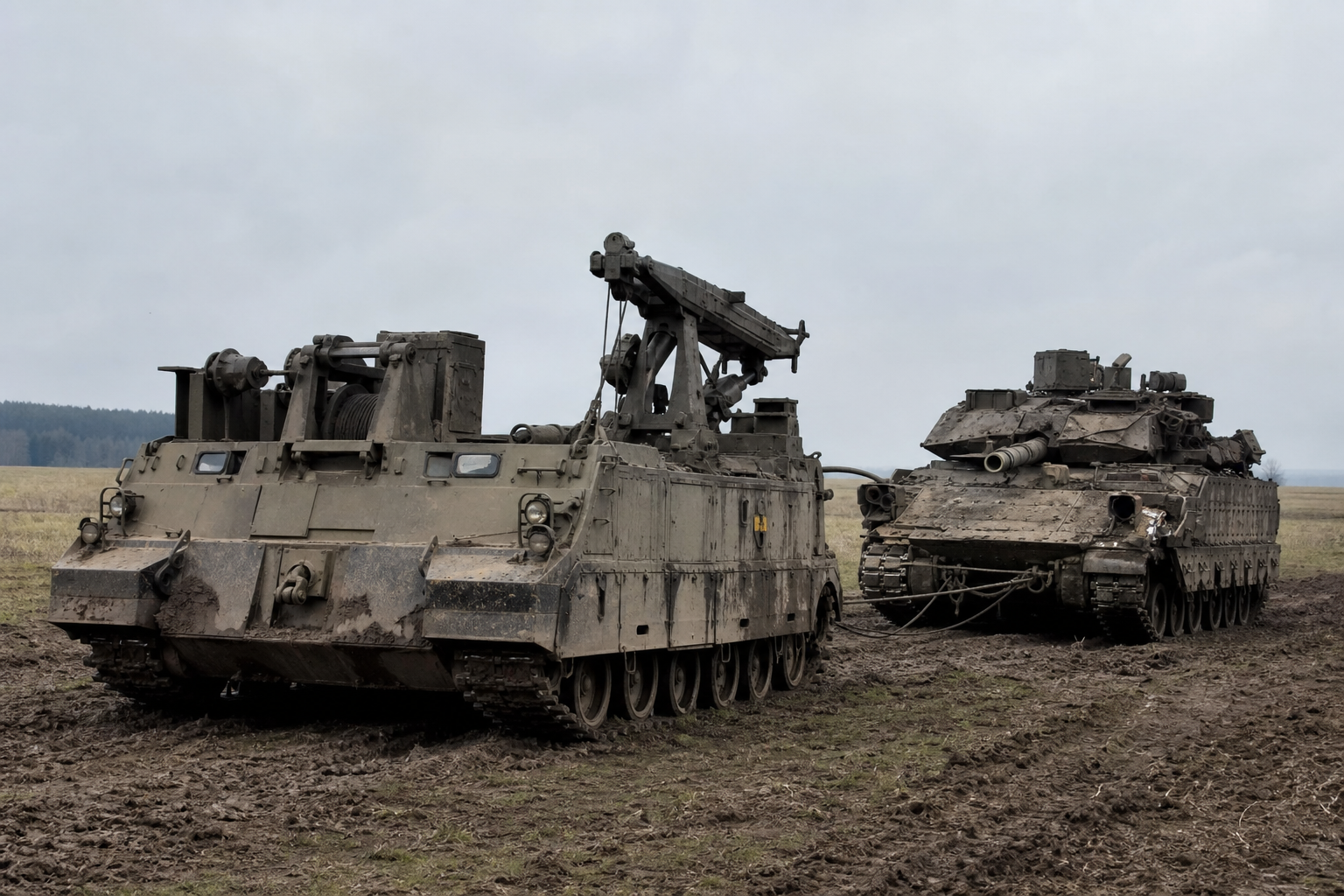
Winches, cranes, and dozer blades—how ARVs keep broken tanks from becoming permanent battlefield scrap.
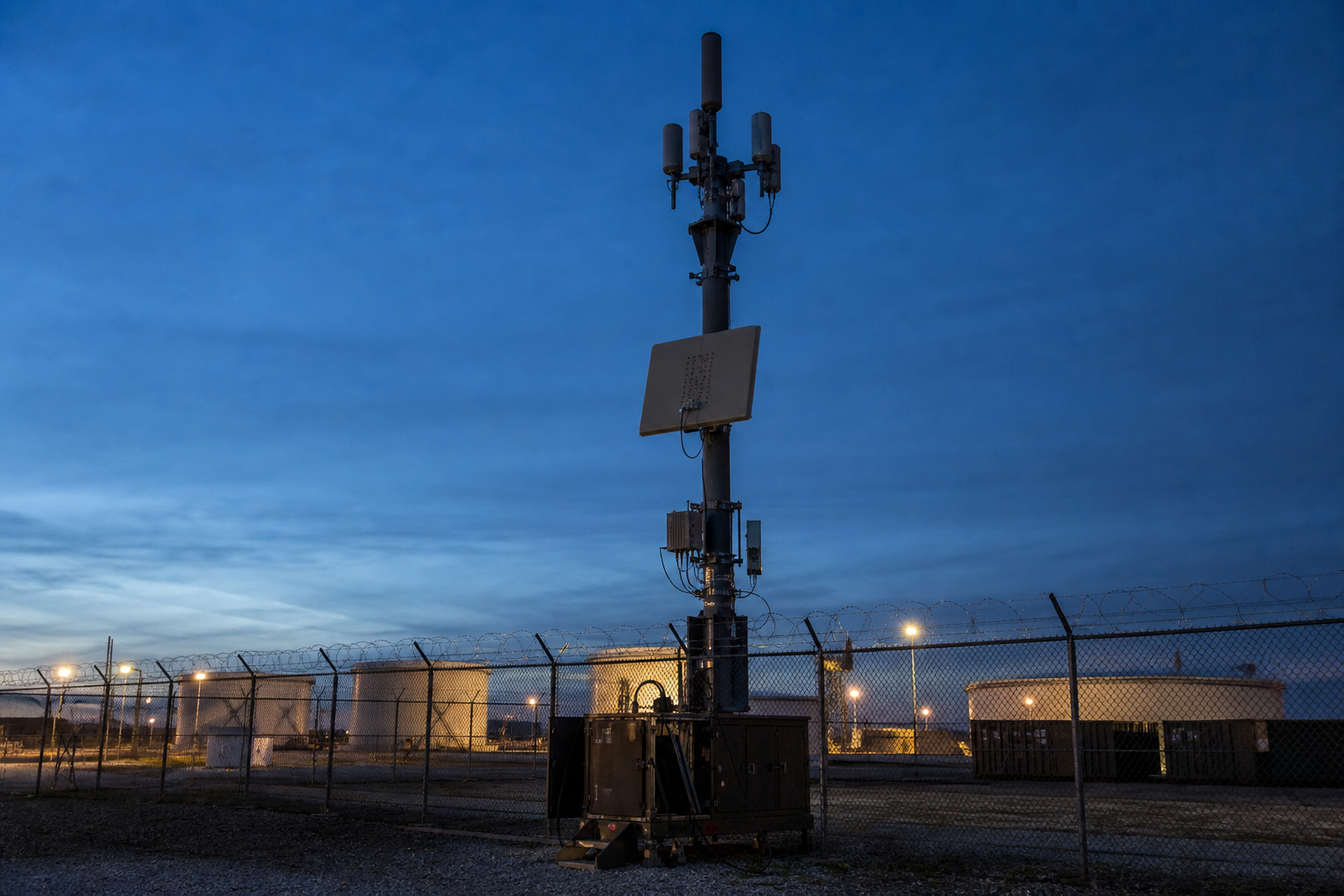
Mid-2023: Bastion counter-UAS detachments help partners harden ammunition and fuel depots against drone threats.
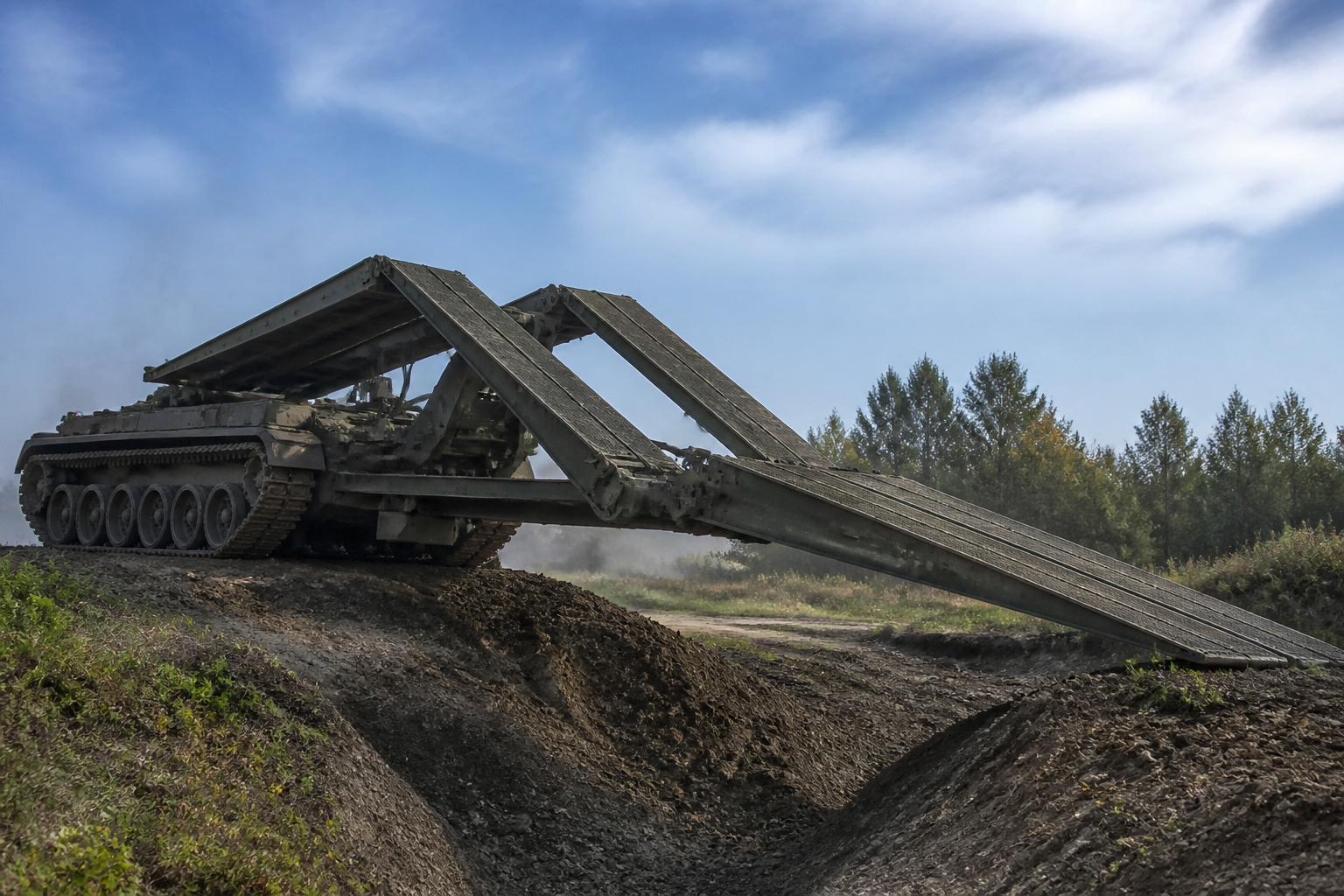
Scissors and cantilever bridge vehicles—how armored bridge layers restore mobility across rivers, cuts, and demolished spans.
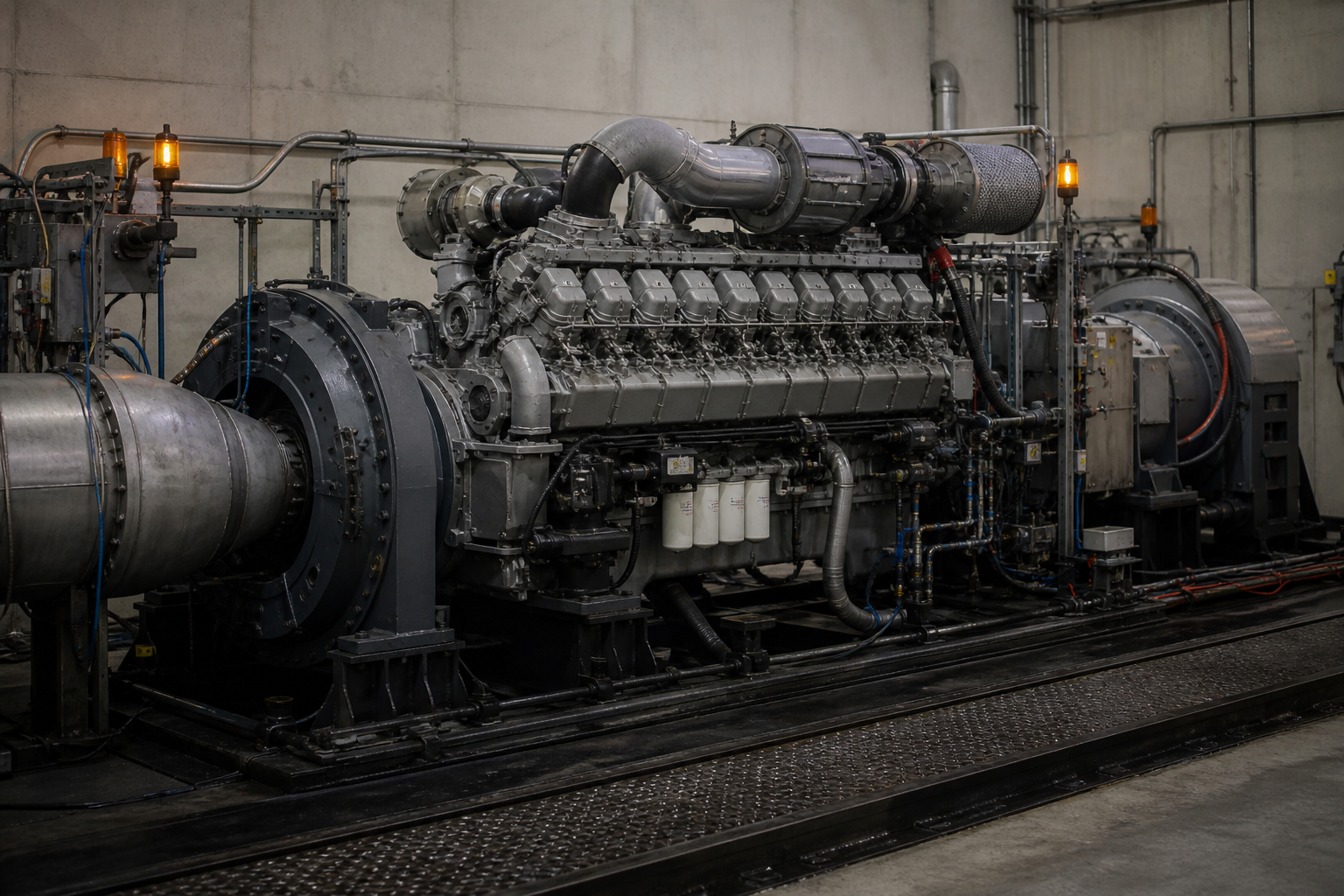
2023: Bastion and Helion Propulsion collaborate on multi-fuel armor powerpack packages feeding the Forge line.
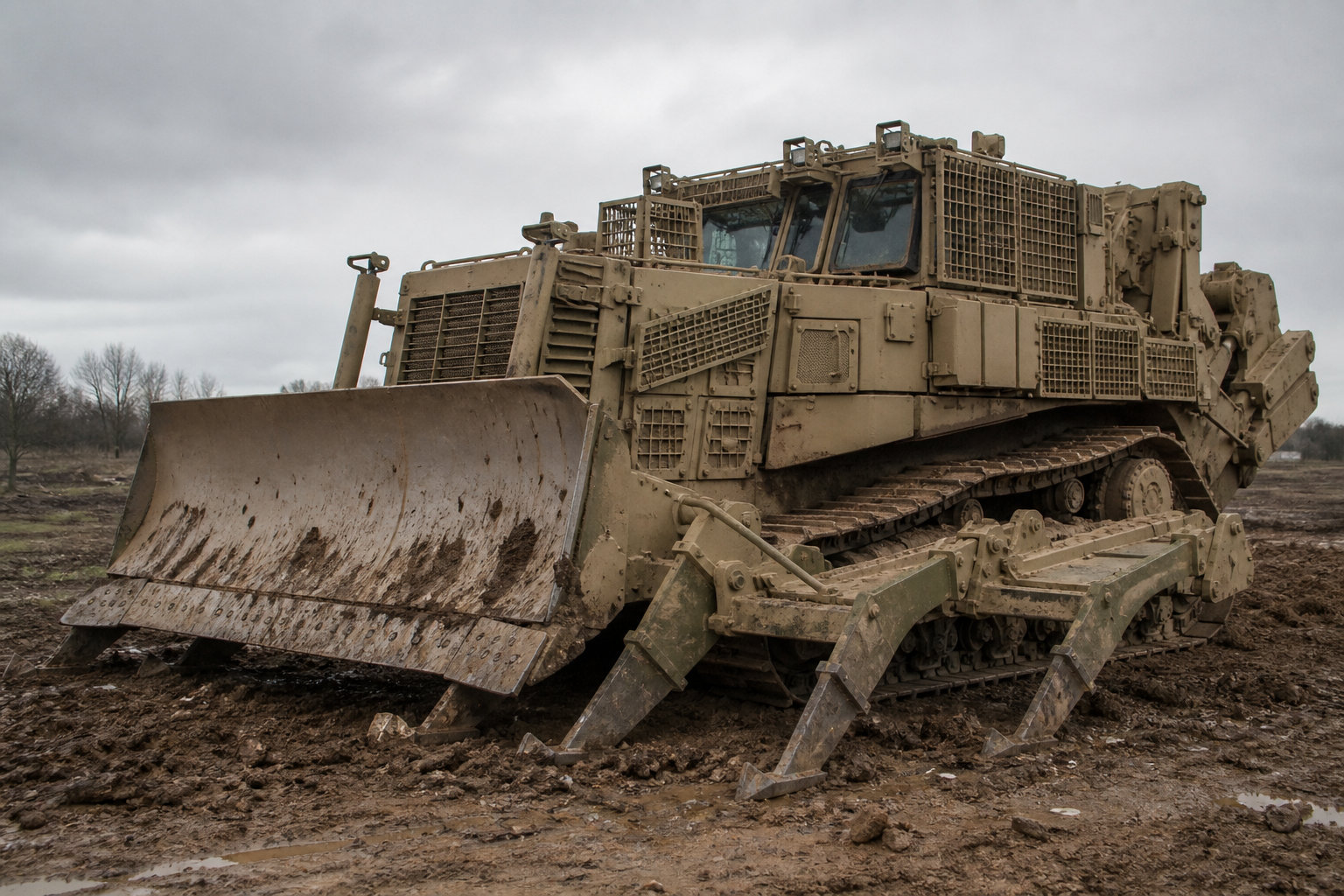
Dozer blades, mine ploughs, and fascines—how engineer tanks and AEVs keep maneuver forces moving under fire.
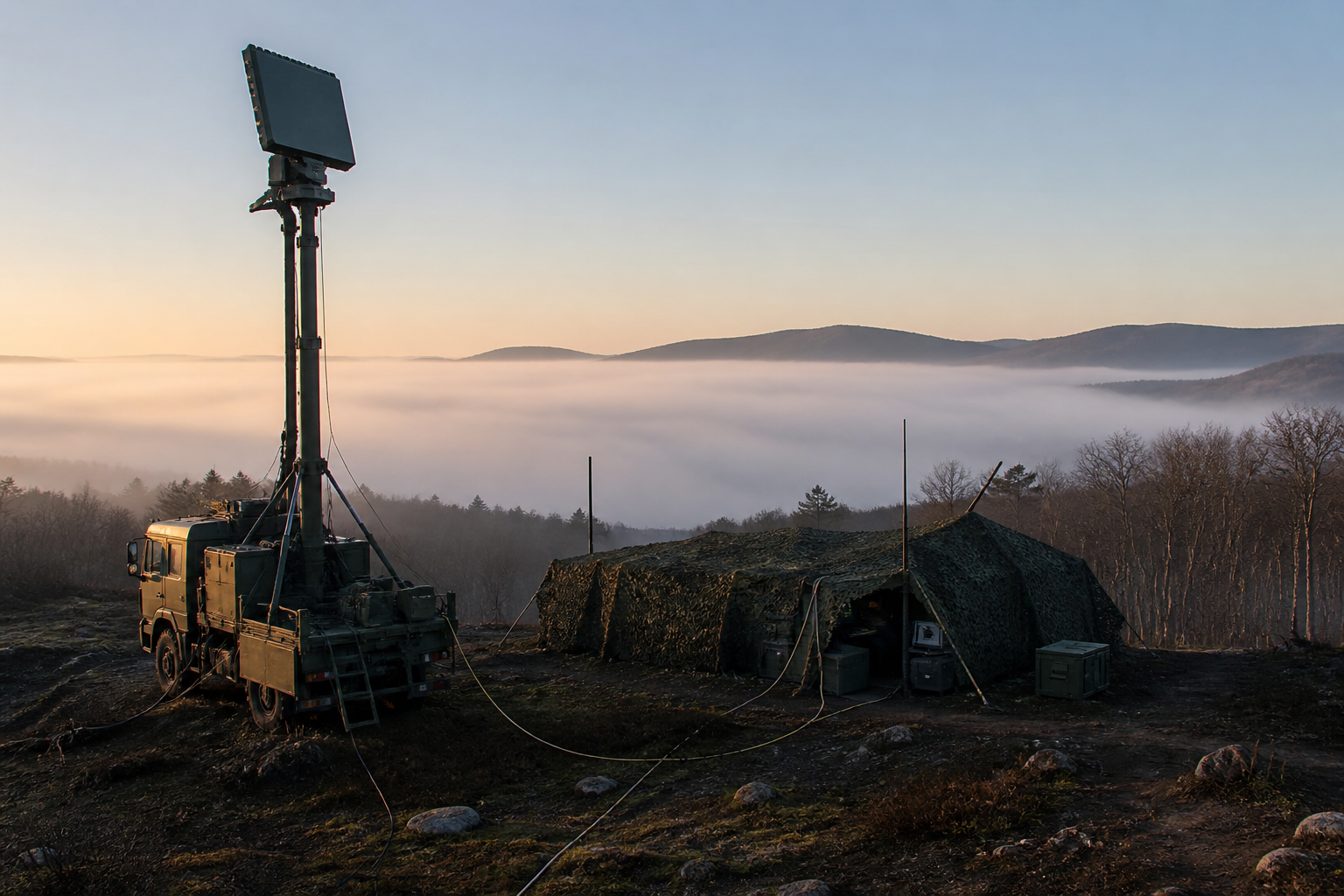
2023 milestone: Bastion radars prove data handoff into partner command-and-control gateways.
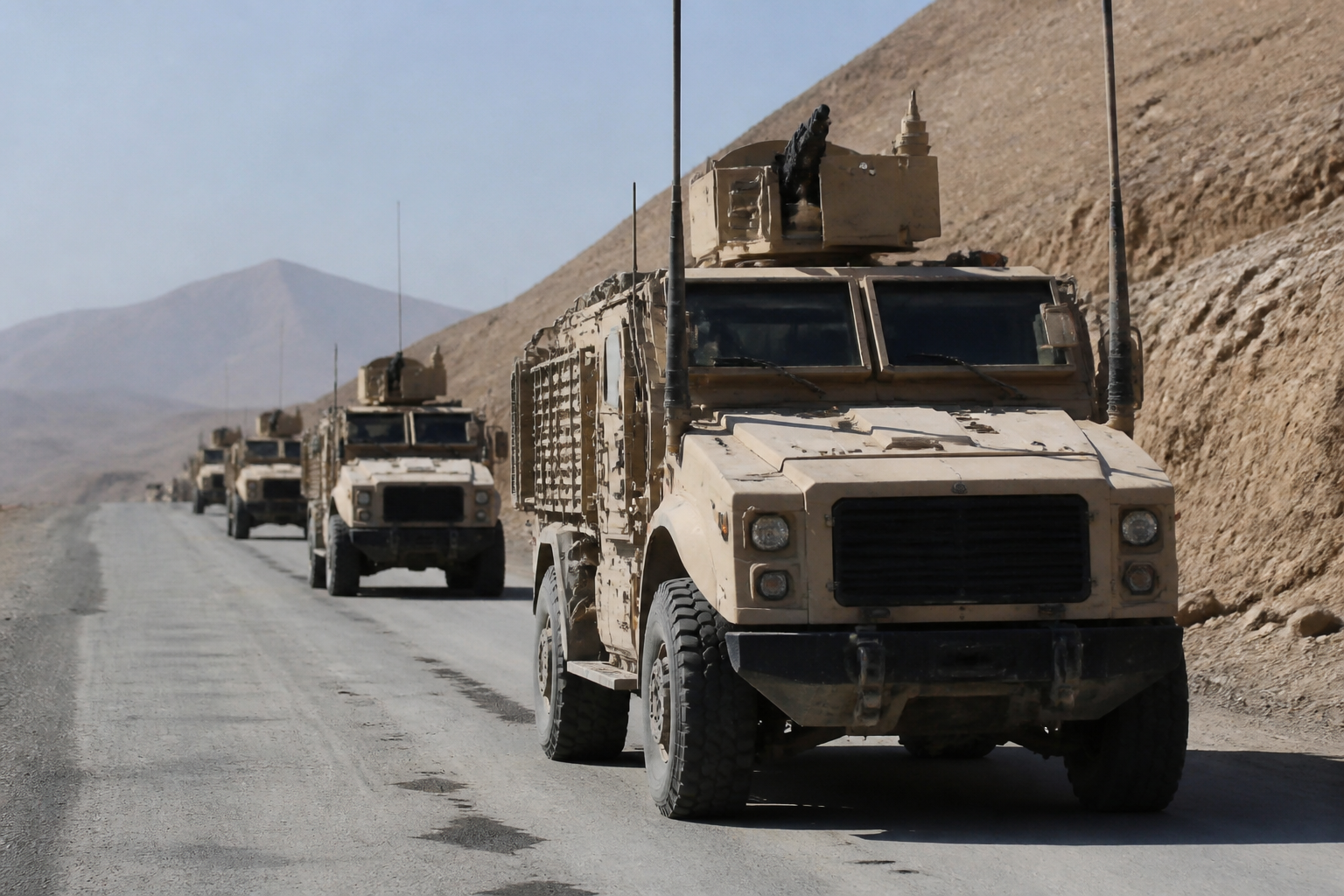
Why V-shaped hulls and high ground clearance define mine-resistant ambush-protected trucks—and what they trade away.
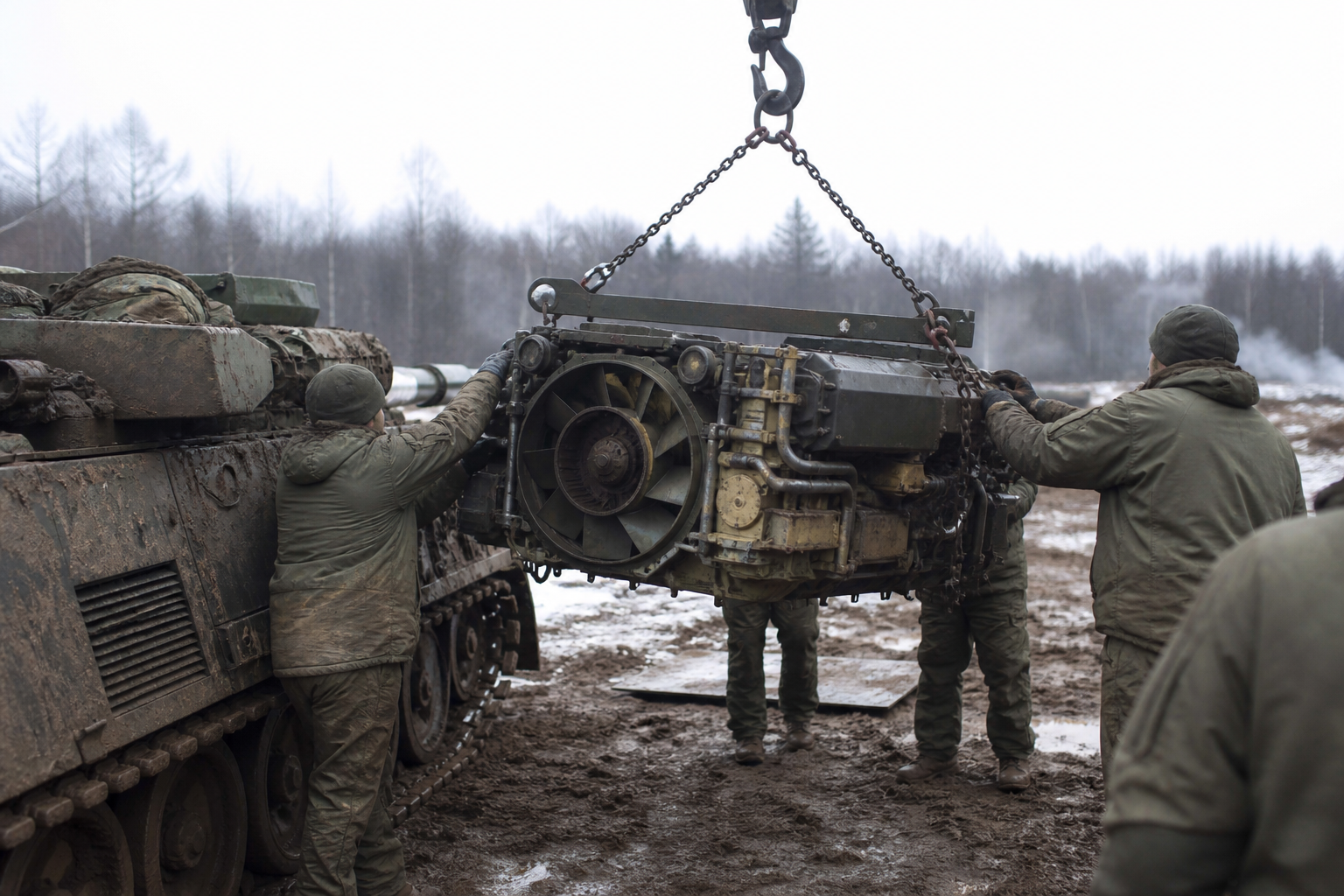
Winter 2022: Bastion and a partner brigade practice sub-hour powerpack swaps under field conditions.
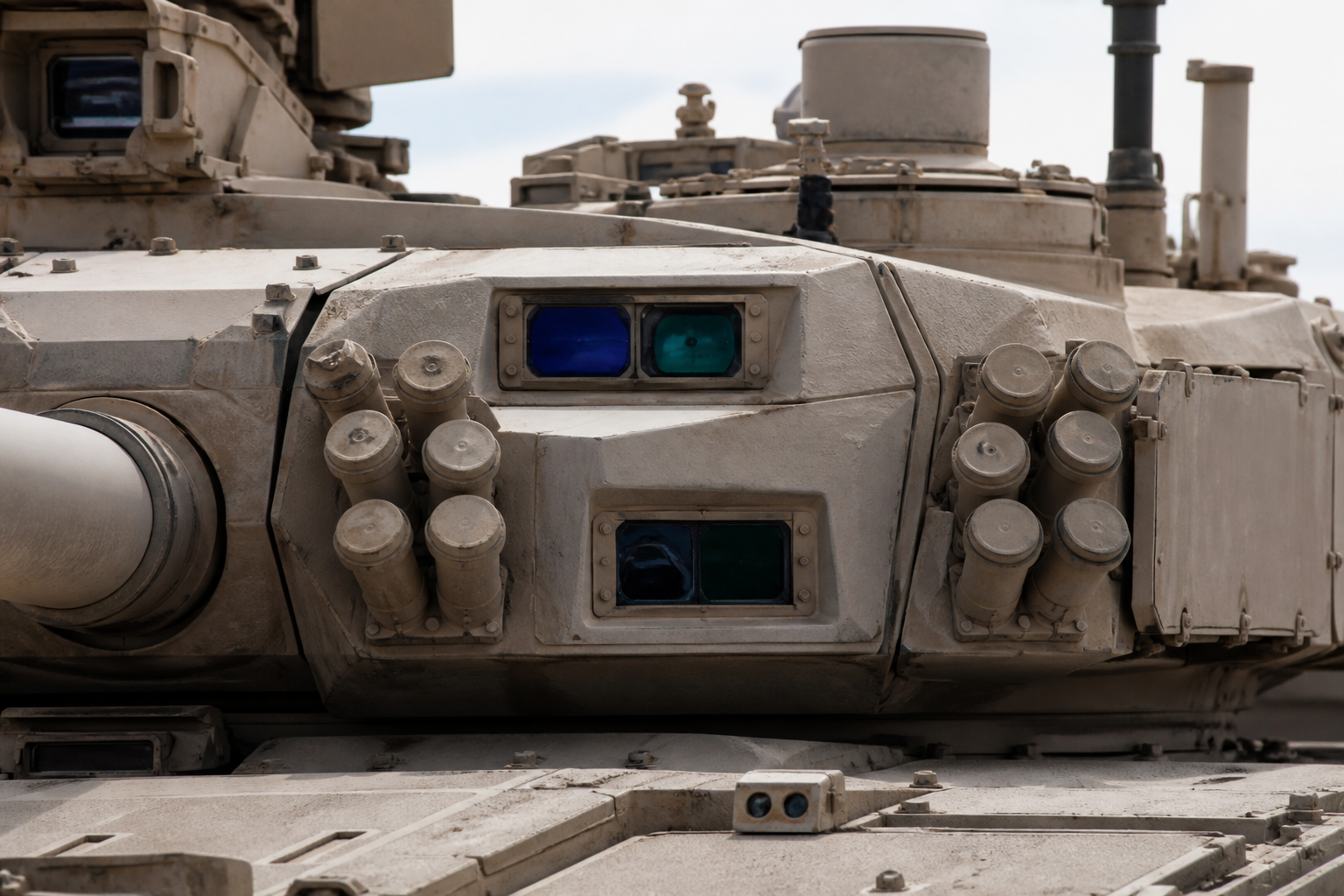
A clear look at hard-kill APS concepts, with publicly documented Trophy integration on Abrams and Leopard 2 fleets.
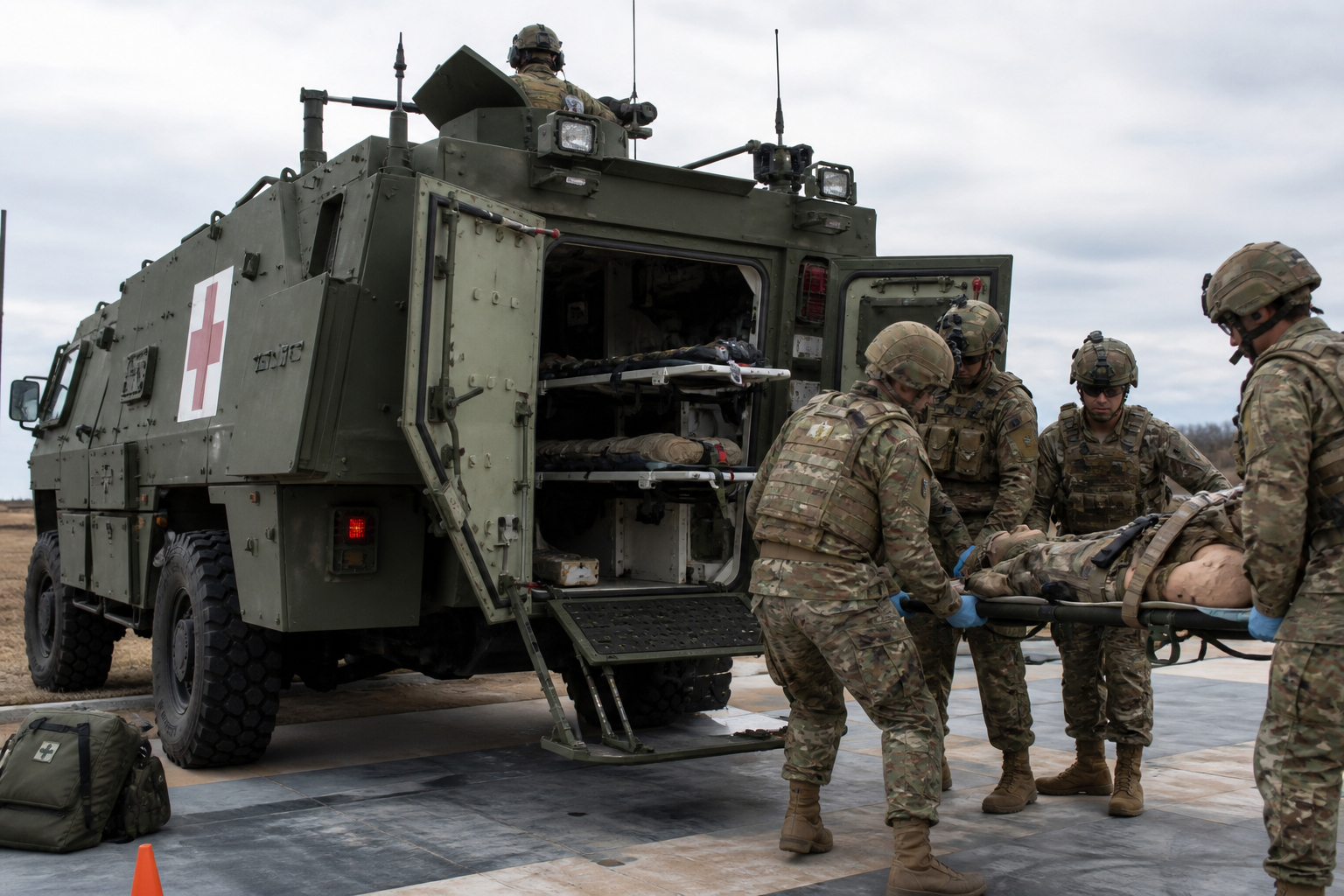
Autumn 2022: specialised armored ambulances enter partner medical-training units preparing for high-threat casualty evacuation.
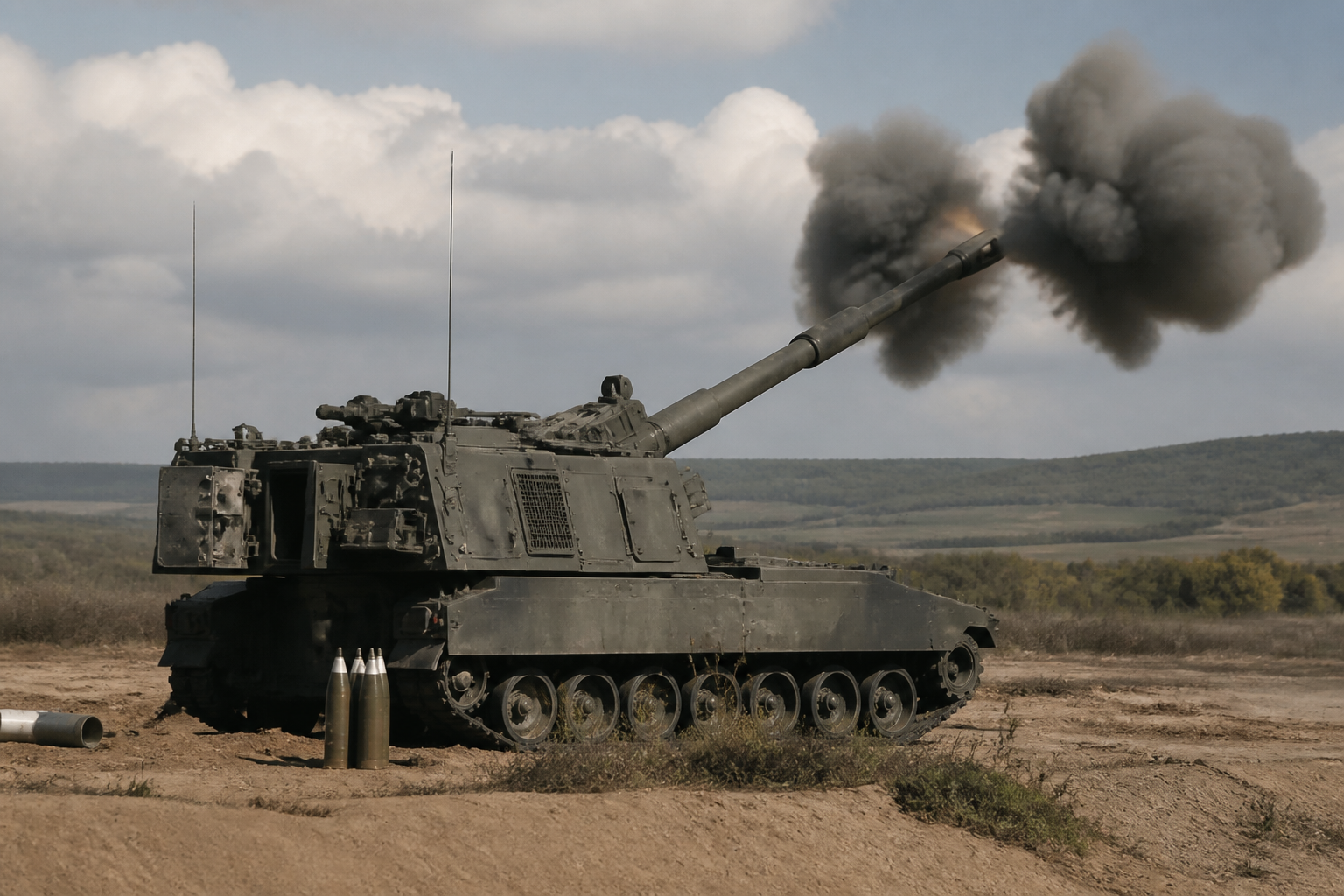
Tracked and wheeled gun systems—why self-propelled howitzers dominate mobile fire support compared with towed tubes.
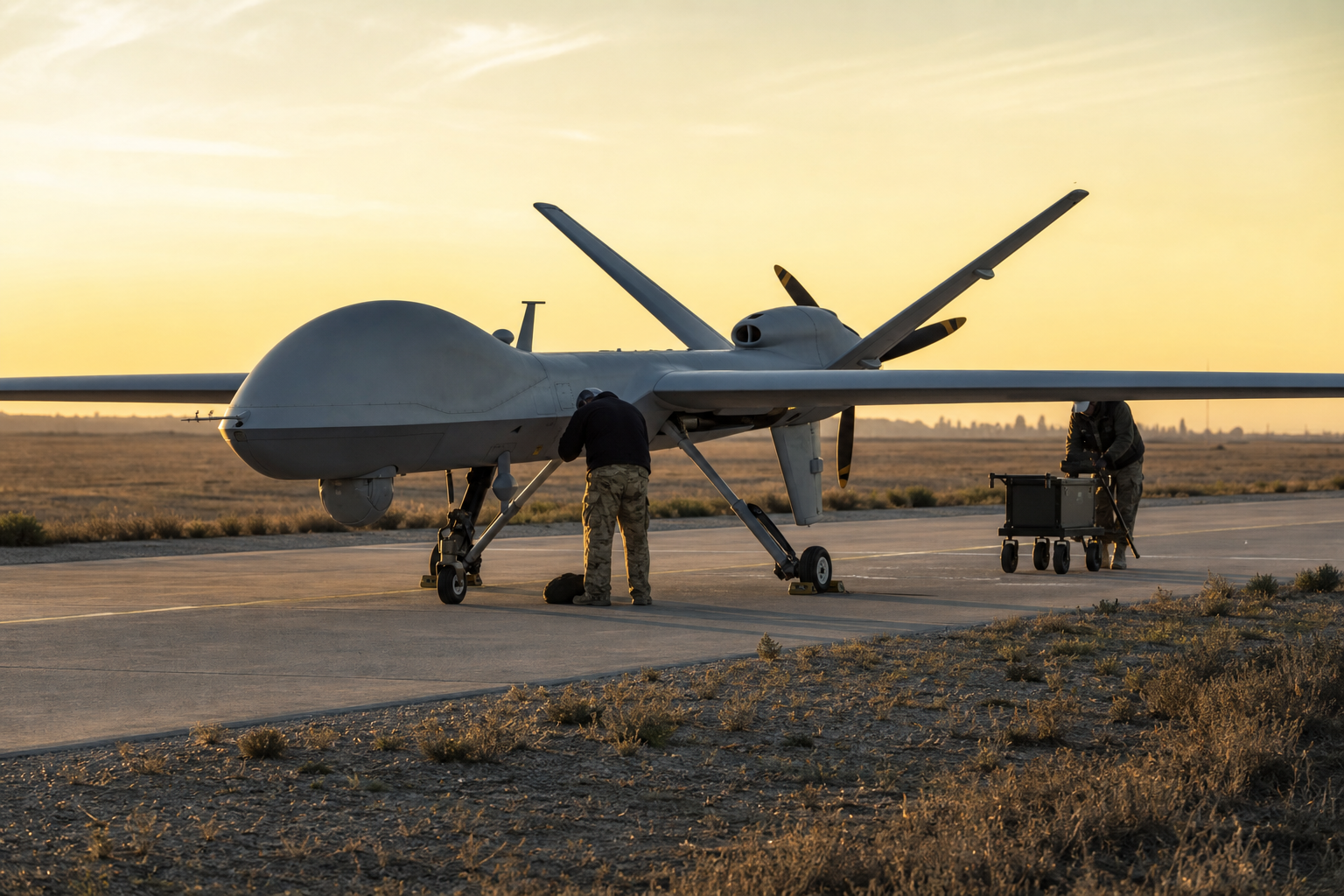
2022: Bastion Horizon drones enter a partner border-surveillance partnership with shared training and datalink standards.
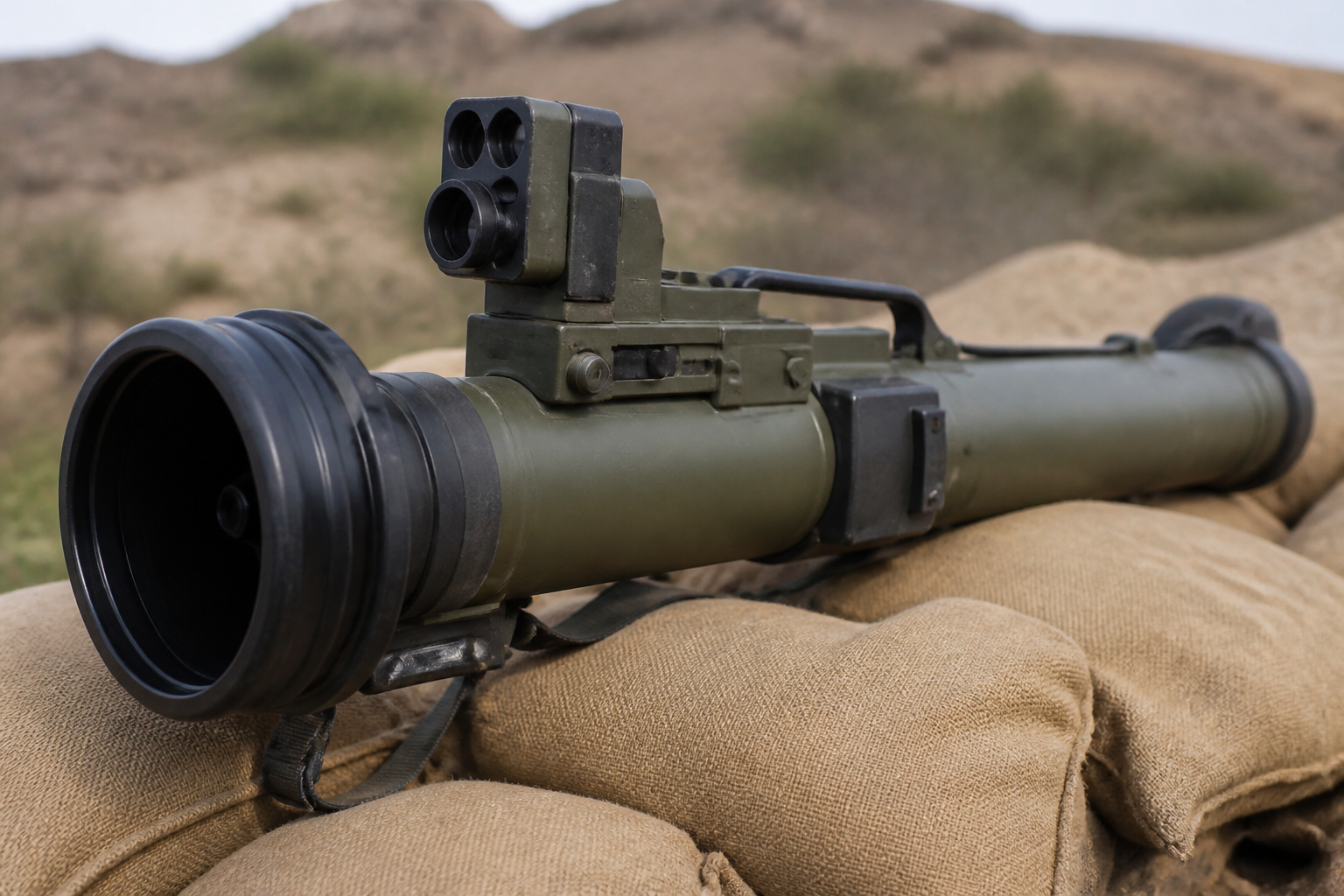
How the Javelin missile’s imaging infrared seeker and top-attack profile changed infantry anti-tank tactics—based on widely published program characteristics.
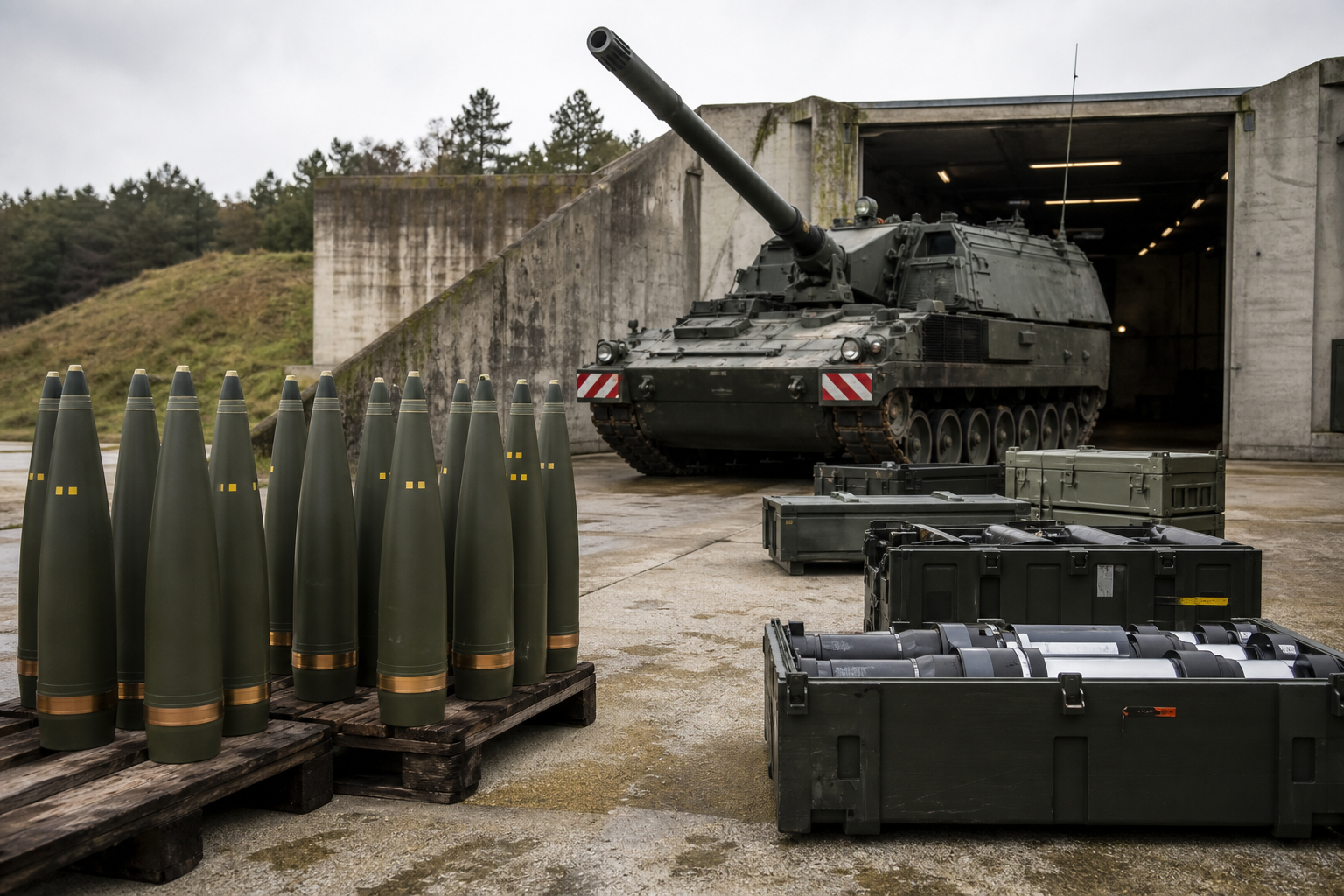
2022: Bastion partners with Ferroforge Defence on munition interfaces and fire-control compatibility for 120 mm and 155 mm programs.

Spring 2022: Bastion accelerates Aegis kit output as European partners harden vehicle fleets after Russia’s full-scale invasion of Ukraine.
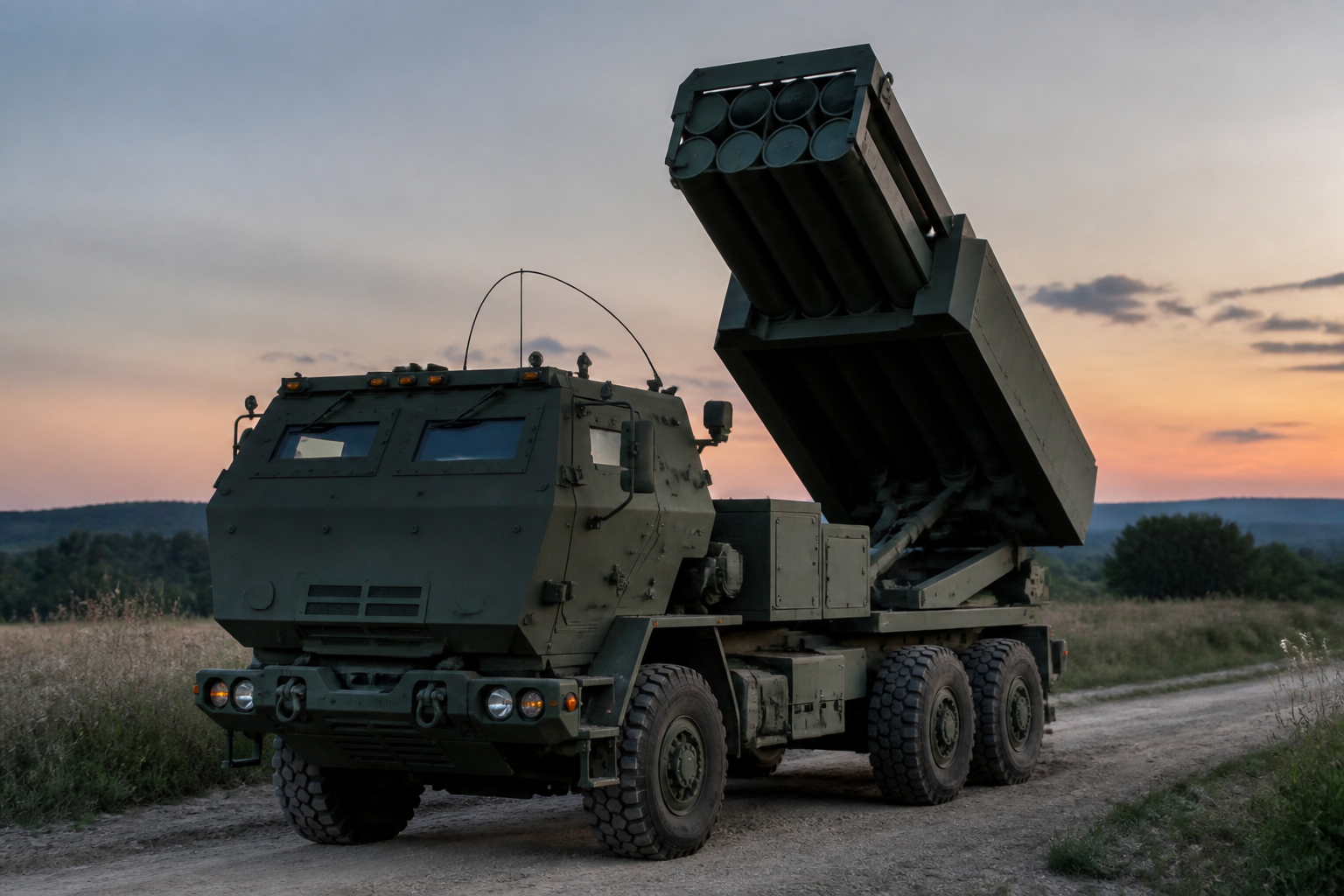
How the M142 HIMARS launcher and Guided MLRS rockets deliver C-130-transportable precision fires—using public manufacturer figures.
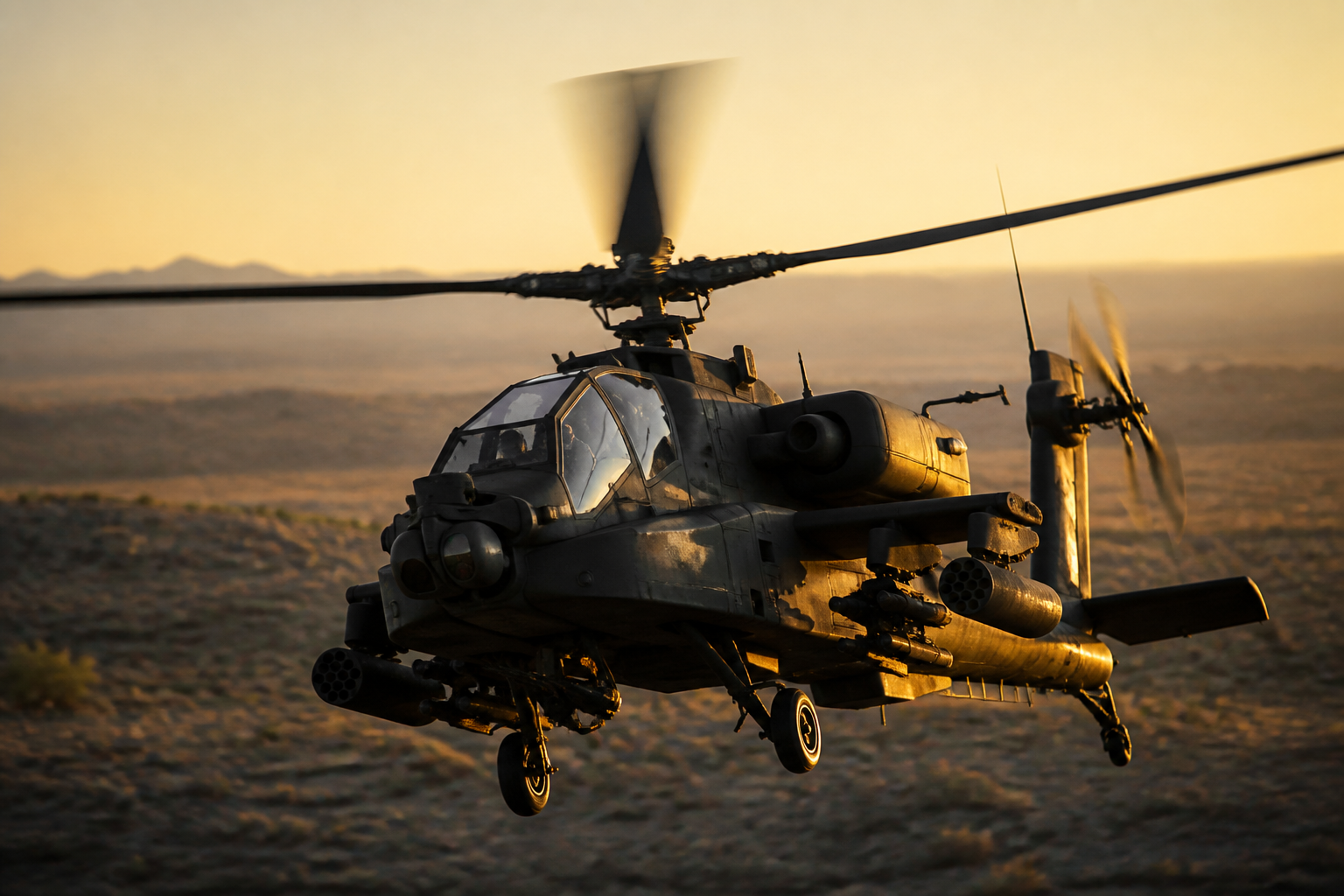
Why the Apache remains a cornerstone attack helicopter—armament options, mast-mounted sensing concepts, and the AH-64E modernization path.
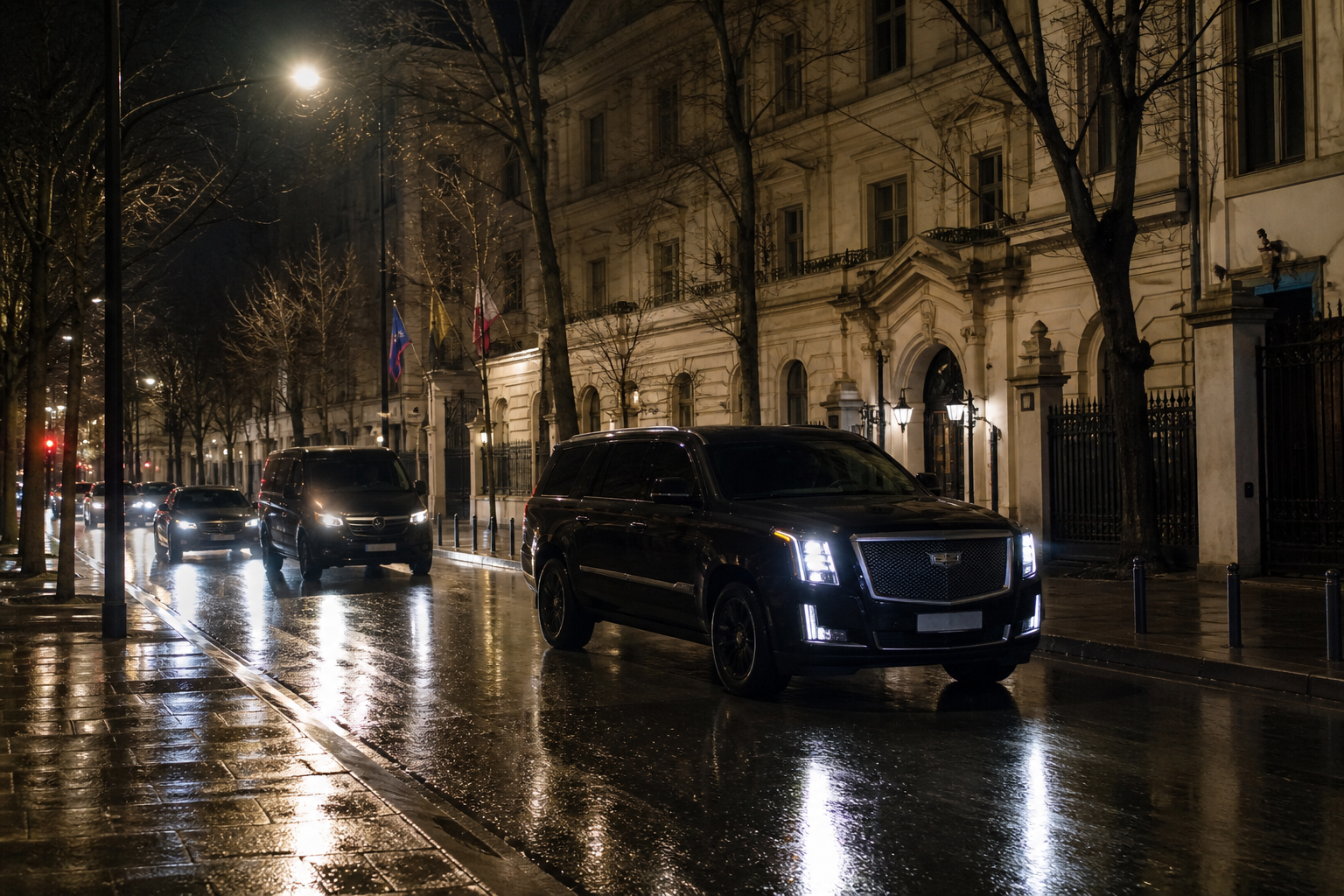
2021: Bastion supplies discreet armor and glass packages for high-security users protecting diplomatic routes.
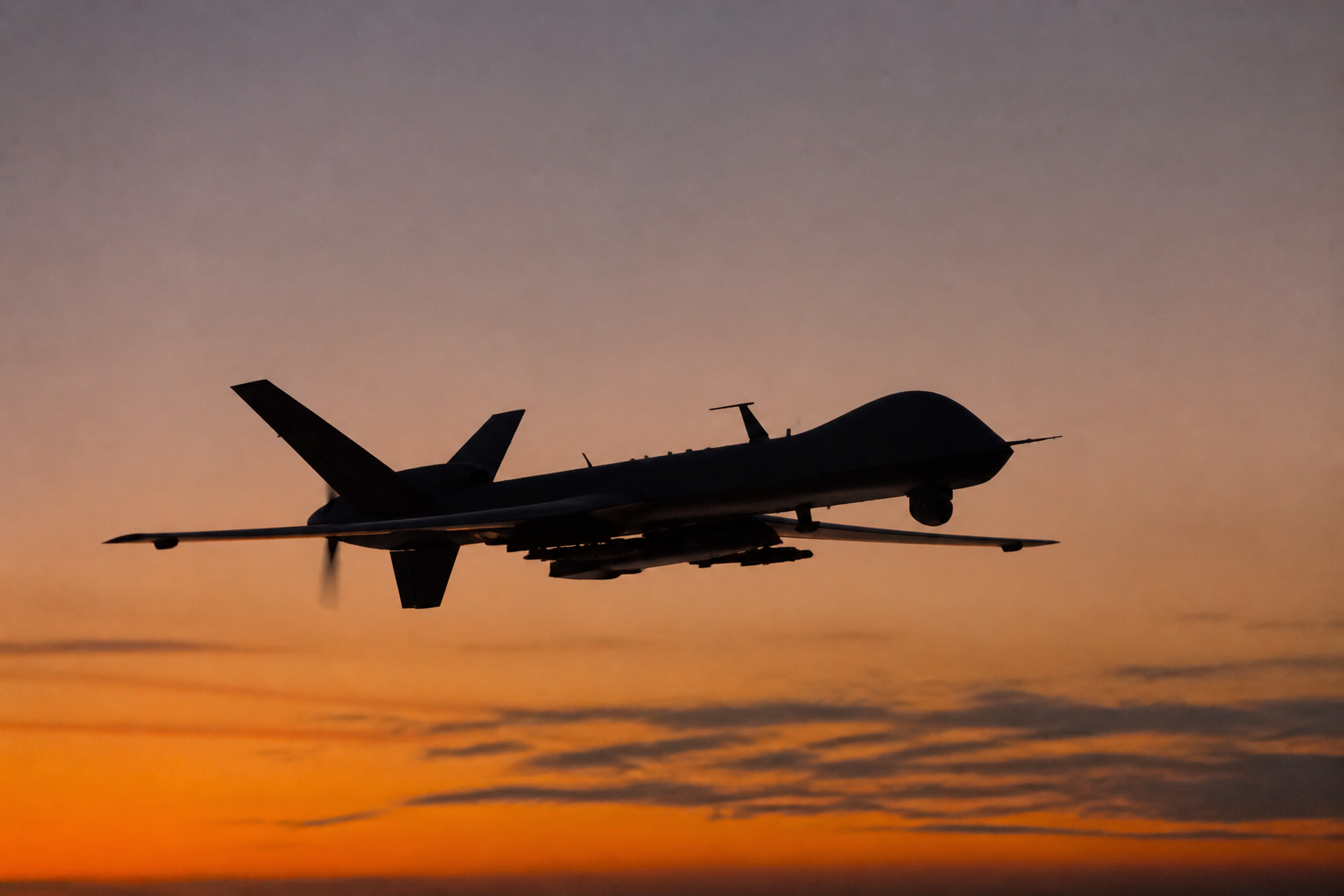
How the General Atomics MQ-9 changed persistent surveillance and strike with published range, payload, and mission roles.
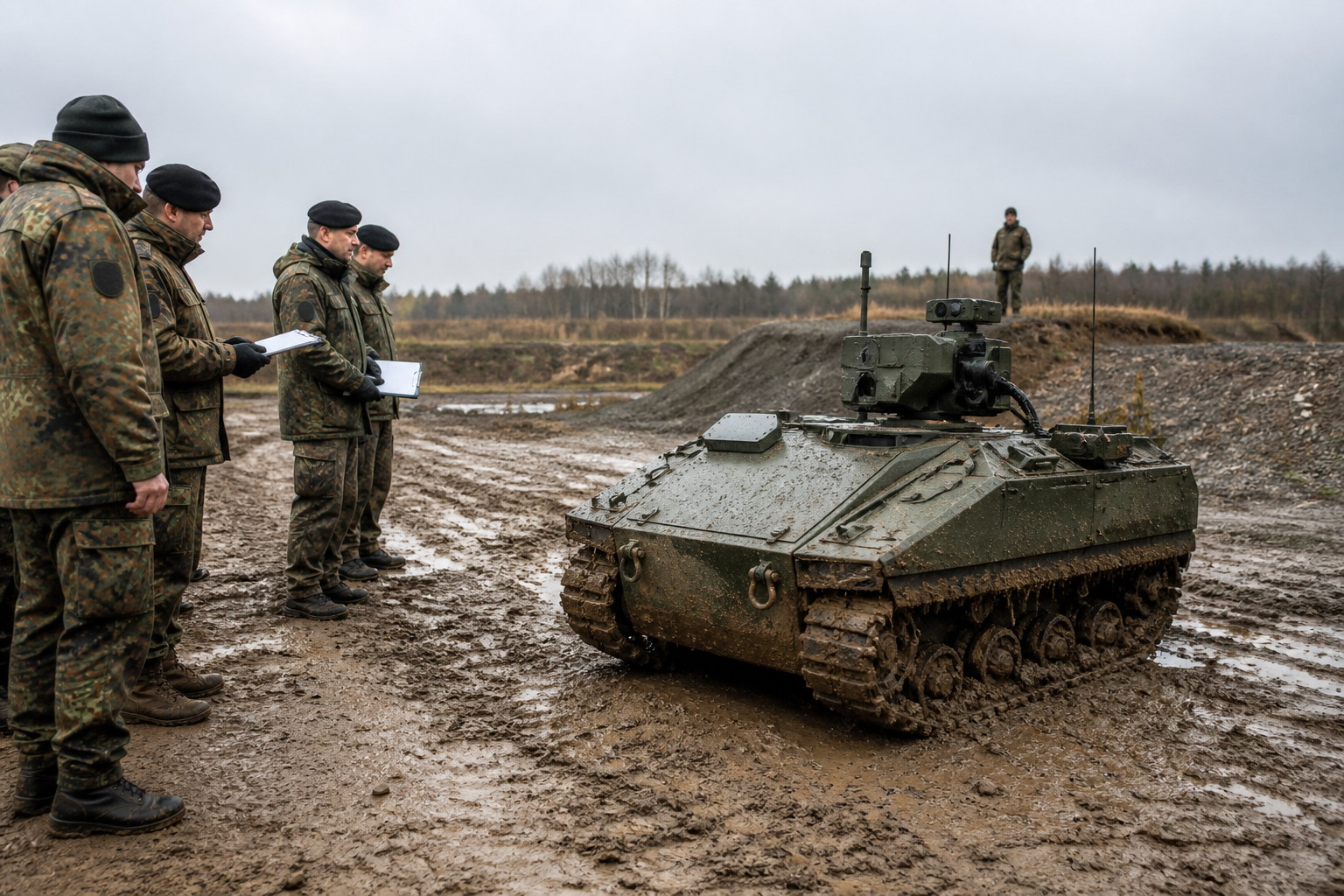
Late 2021: AV-22 Pathfinder prototypes enter evaluation with a partner reconnaissance training unit.
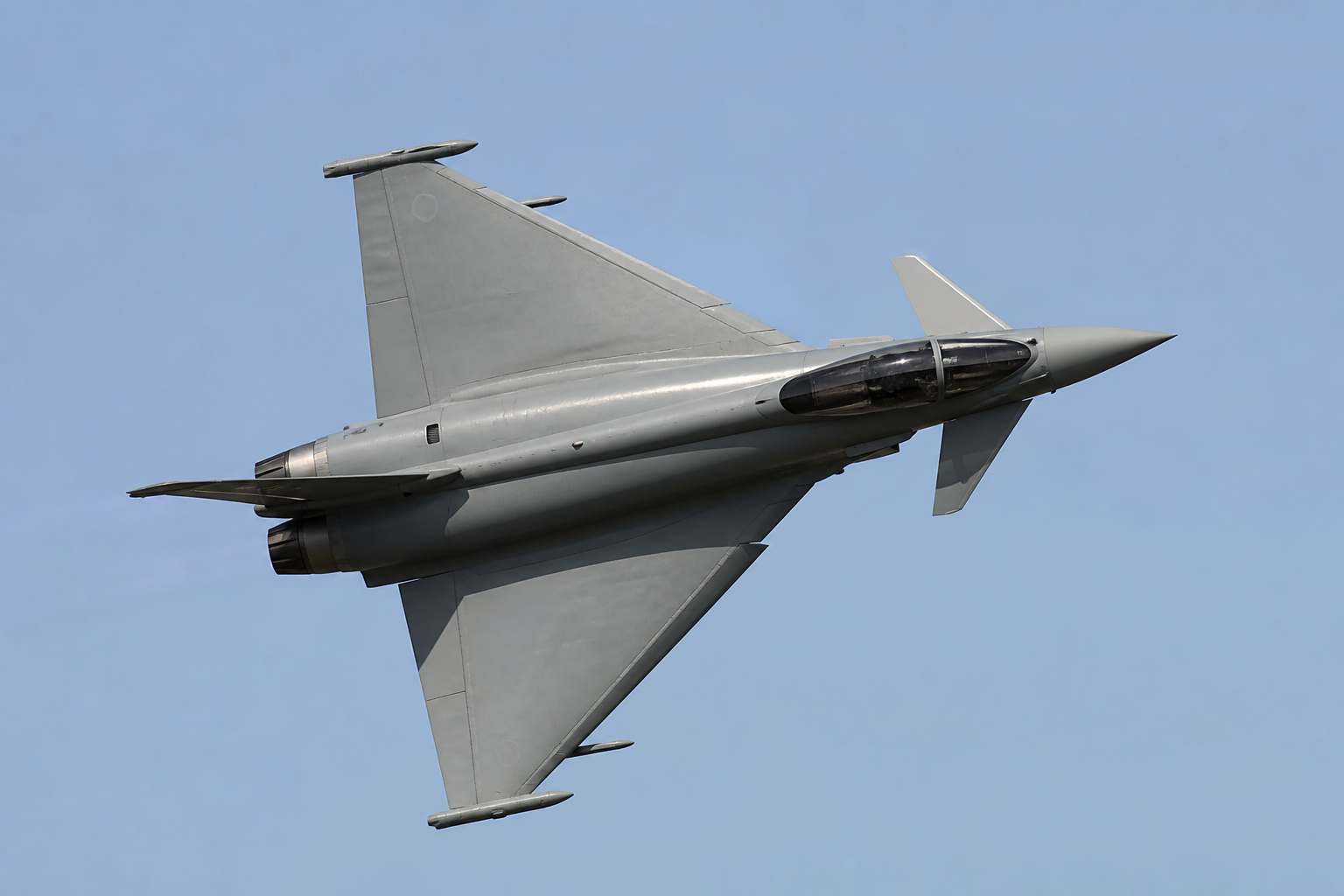
How the Typhoon’s airframe layout supports agility and multirole loads, with publicly known Luftwaffe and partner context.
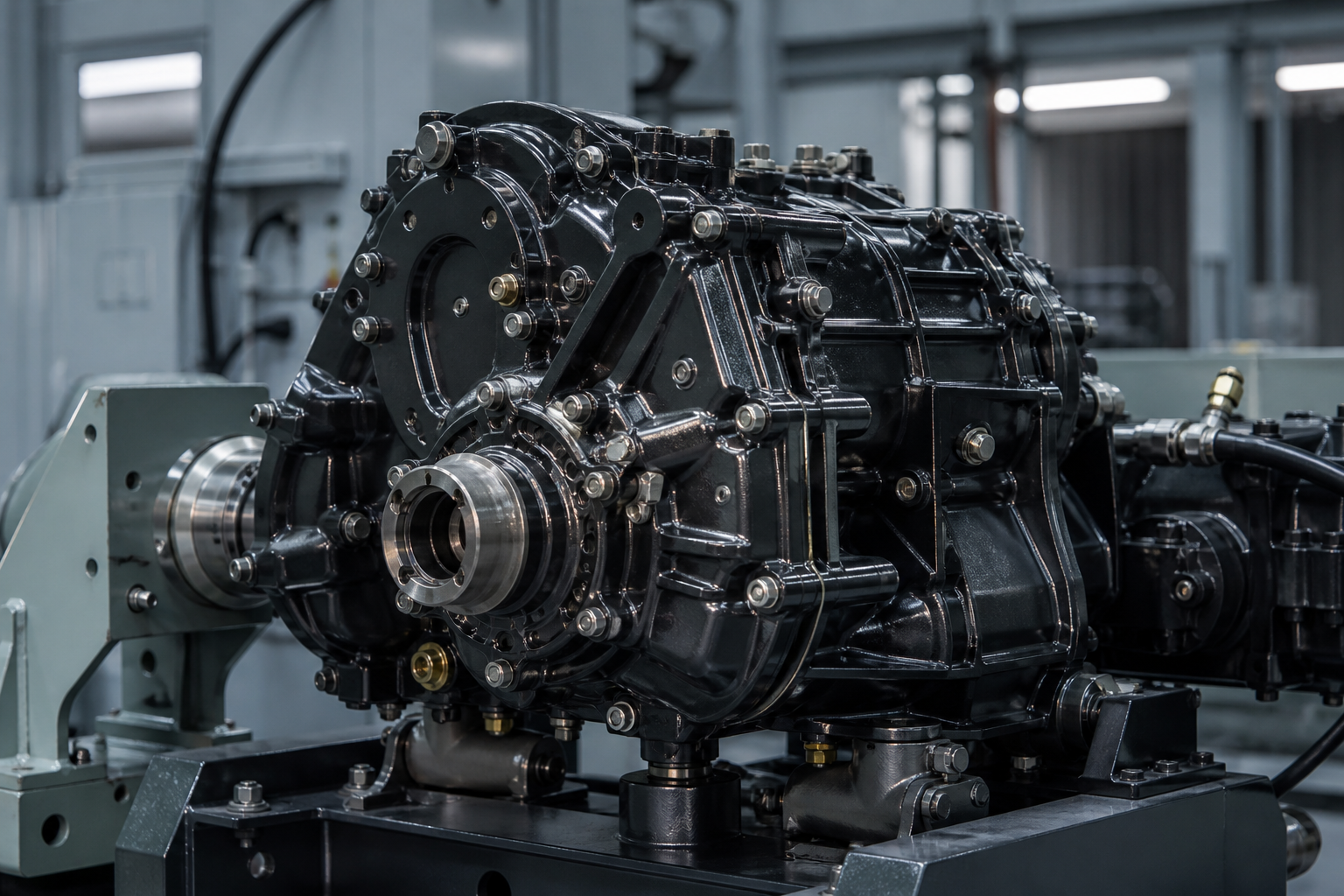
2021 partnership: Bastion and Torqwerk AG begin transmission and final-drive teaming for tank and custom-vehicle powertrains.
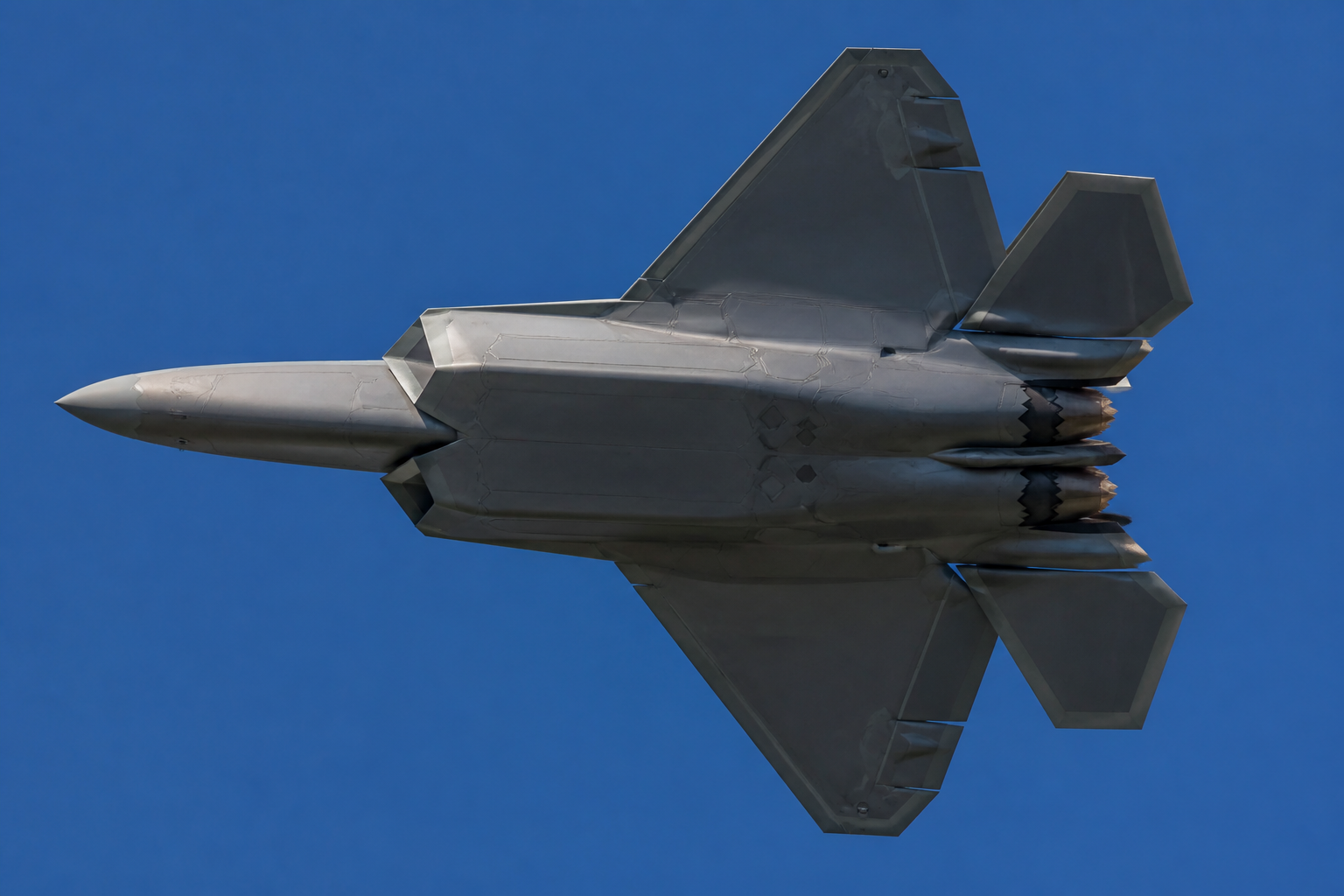
Public manufacturer figures on speed, range, payload, and sensors—and why sensor fusion matters as much as stealth shaping.
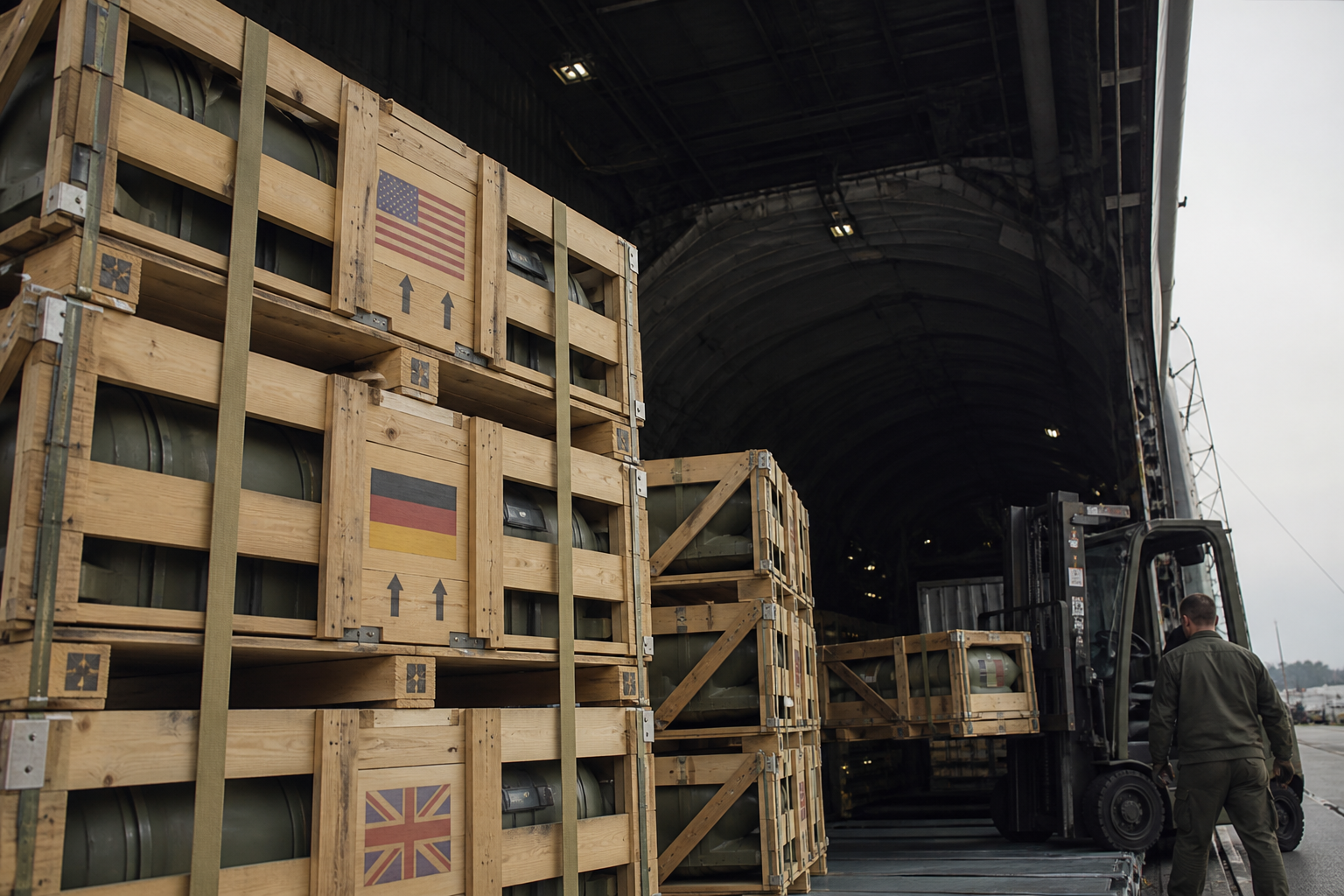
2021 milestone: Bastion’s armor kits enter a multi-nation upgrade framework—early proof of exportable scale.
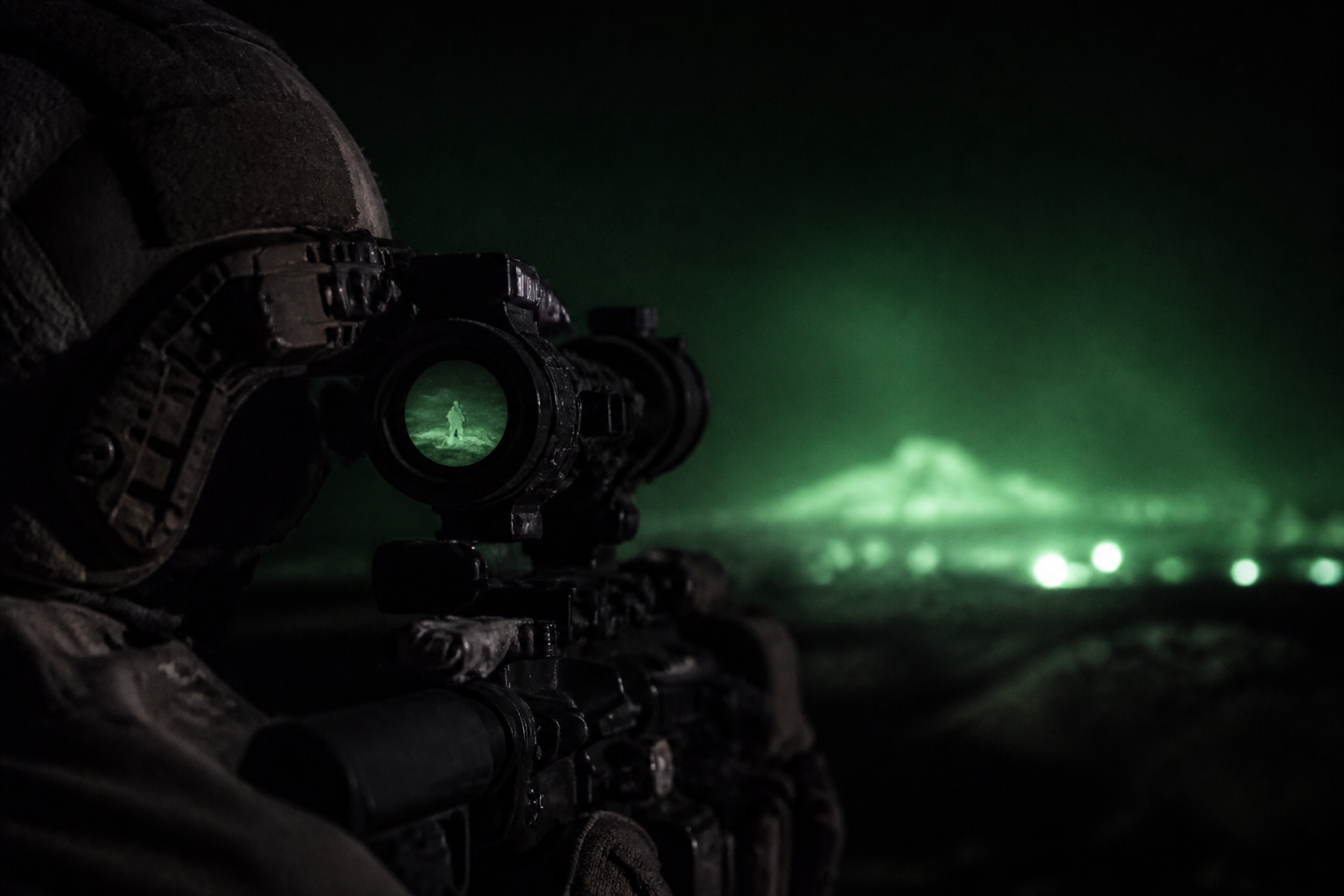
How infrared imaging changed tanks, infantry, and aircraft—practical limits of heat vision in smoke, weather, and clutter.
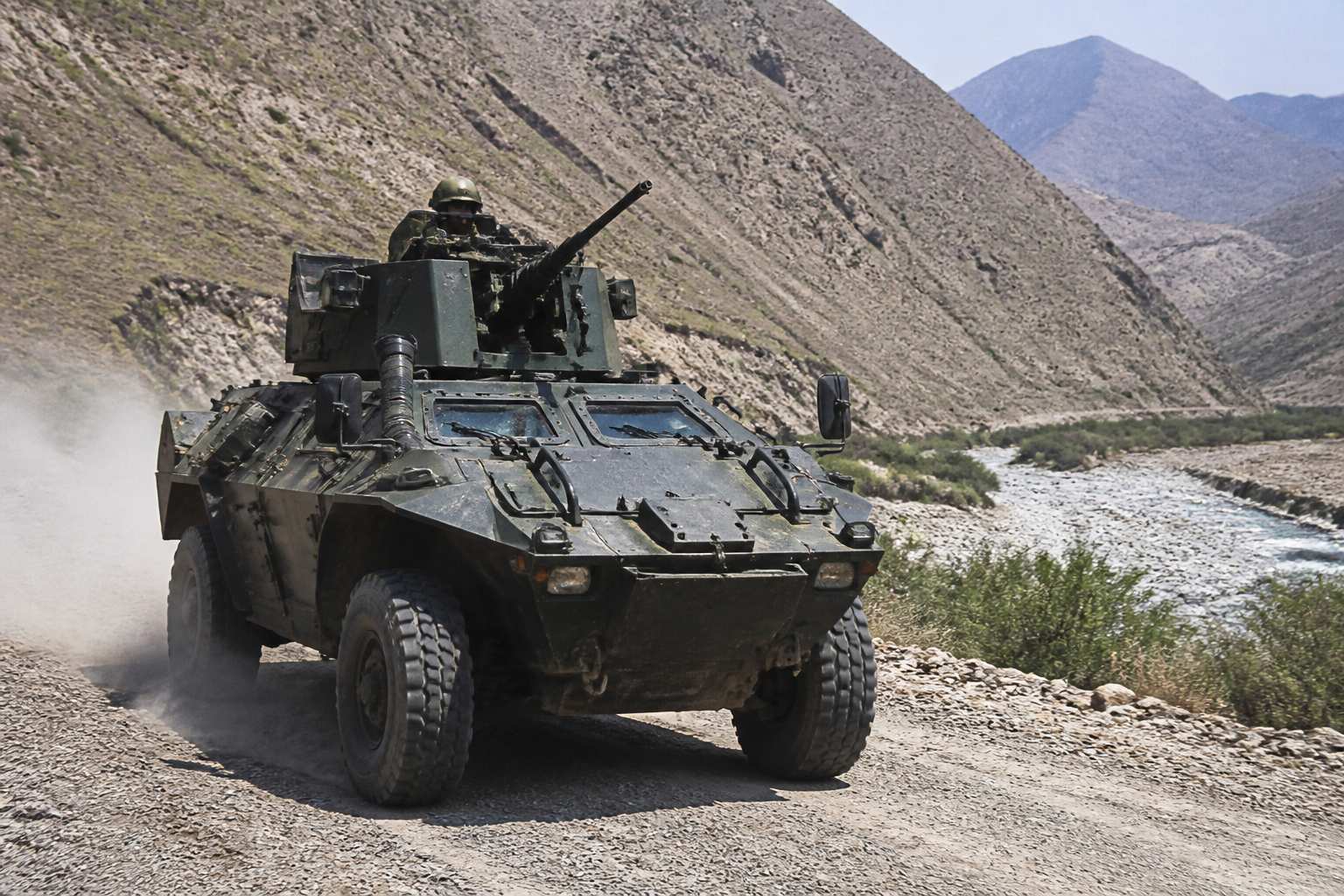
How modern armored cars and reconnaissance vehicles balance speed, protection, and strategic mobility versus tracked IFVs.
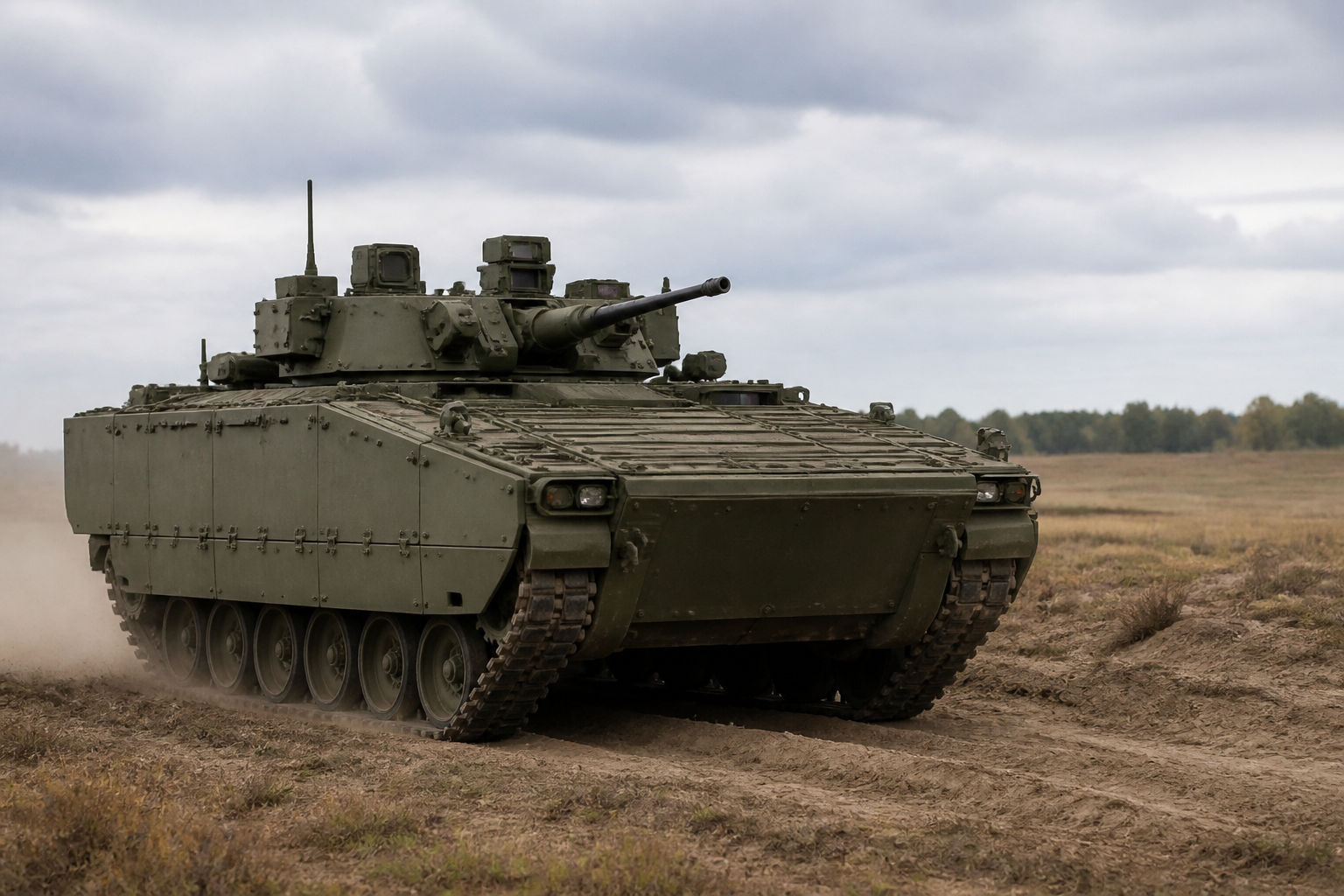
What an IFV is for—troop carry, firepower, and protection trade-offs—using the Bradley family as the reference case.
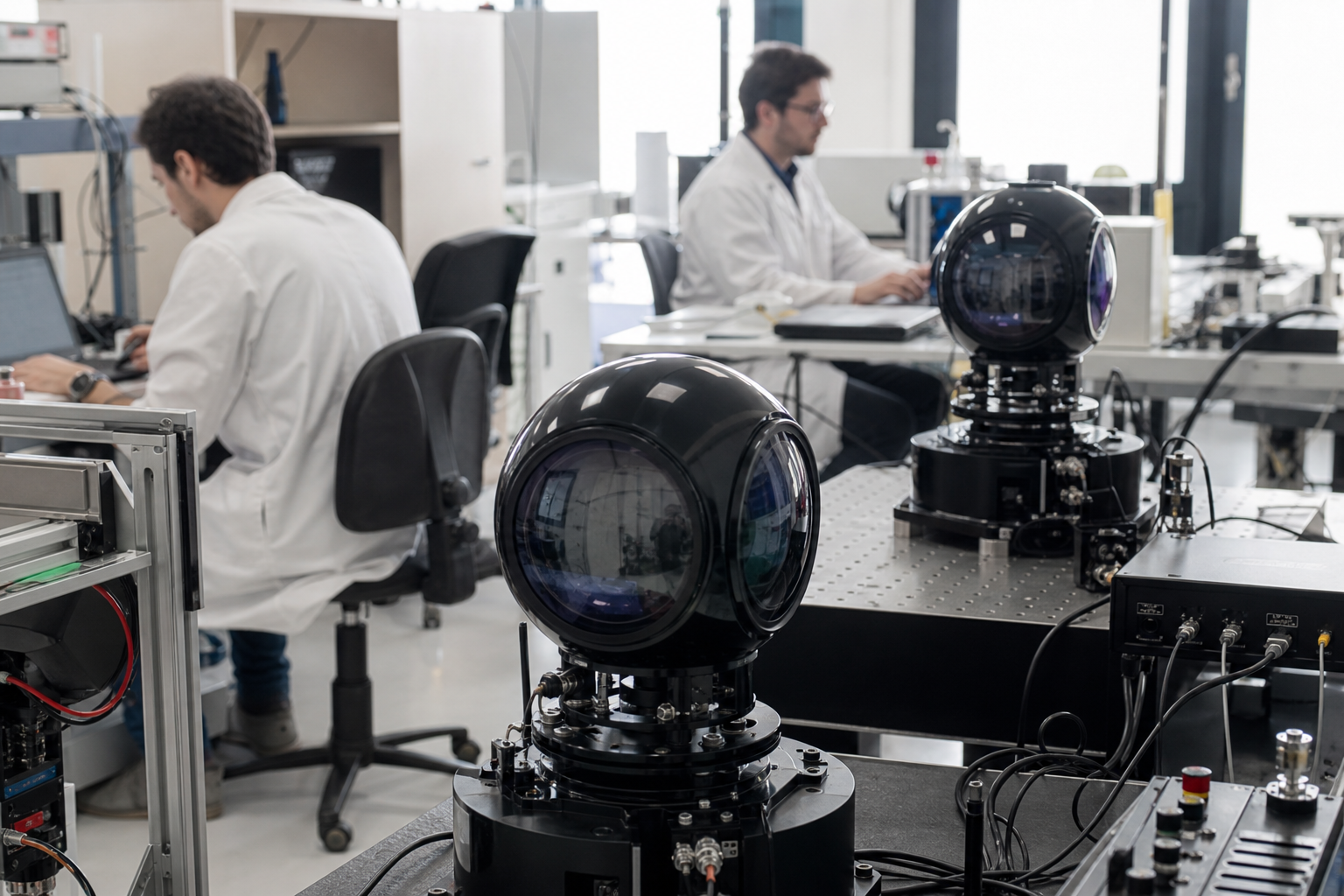
2020: Bastion and a photonics lab begin the Clarity EO/IR family that later became a catalog staple.
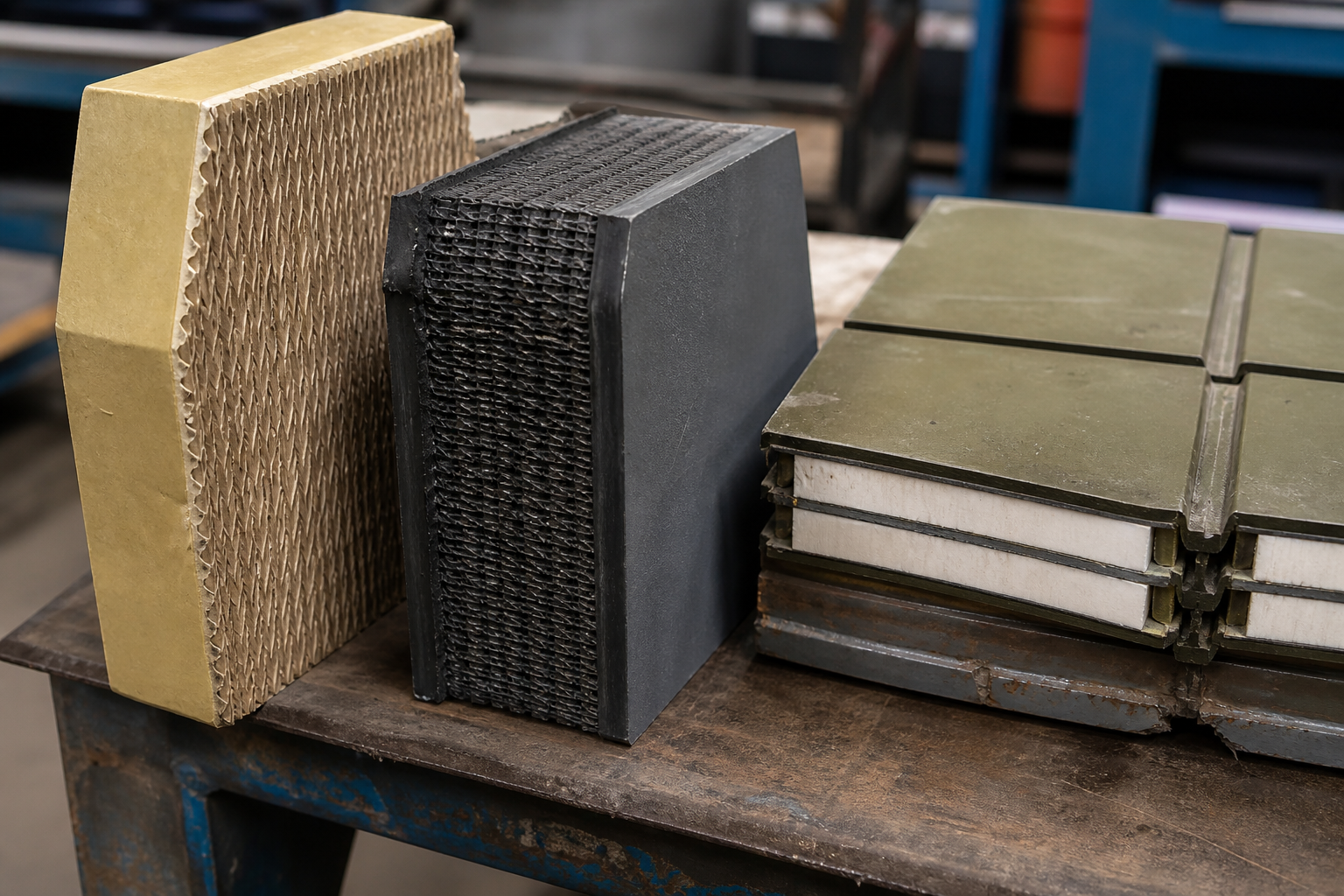
A practical explanation of spaced/composite arrays and explosive reactive armor against KE and shaped-charge threats.
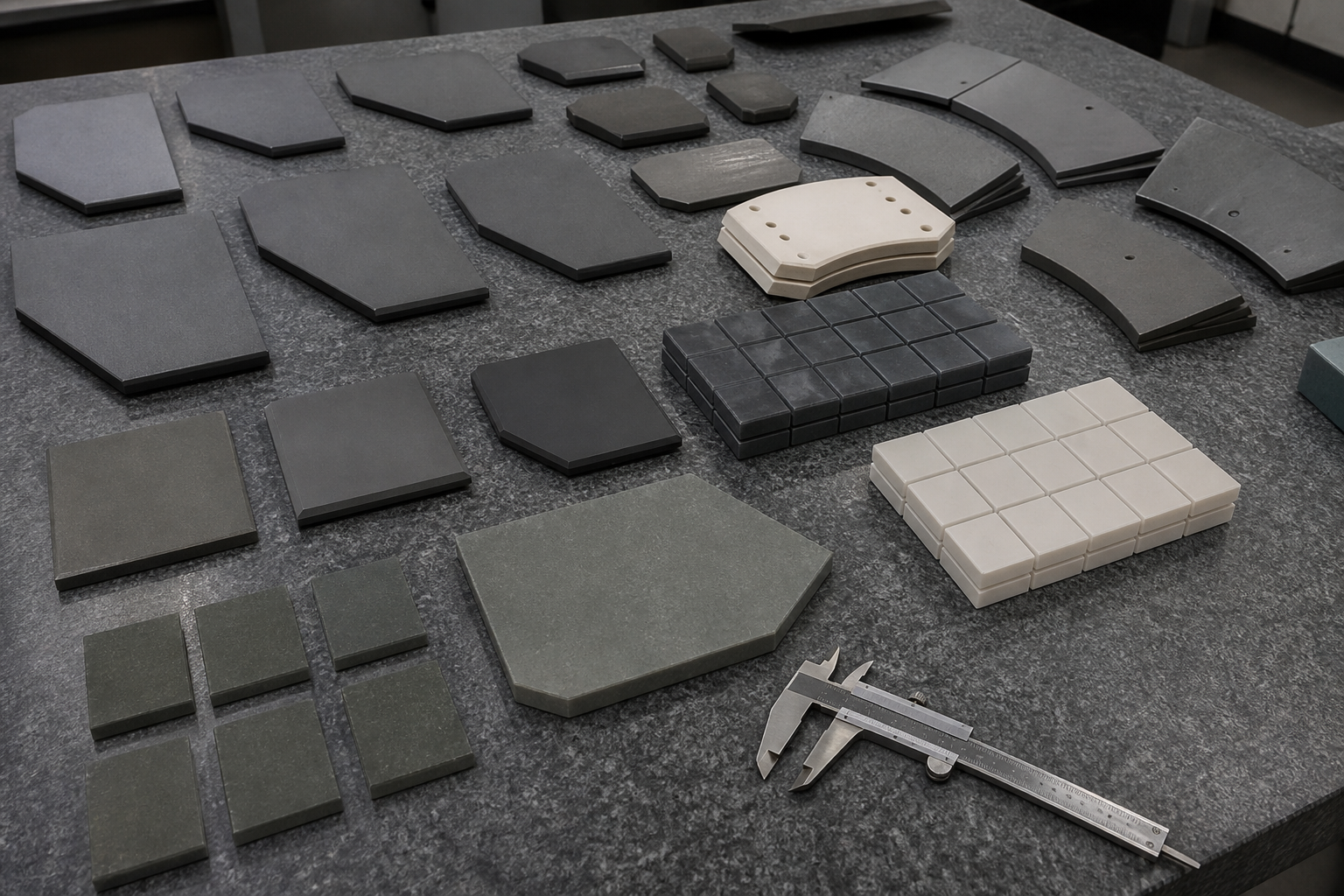
2020 partnership: Bastion armor modules join an established European vehicle integrator’s upgrade line.
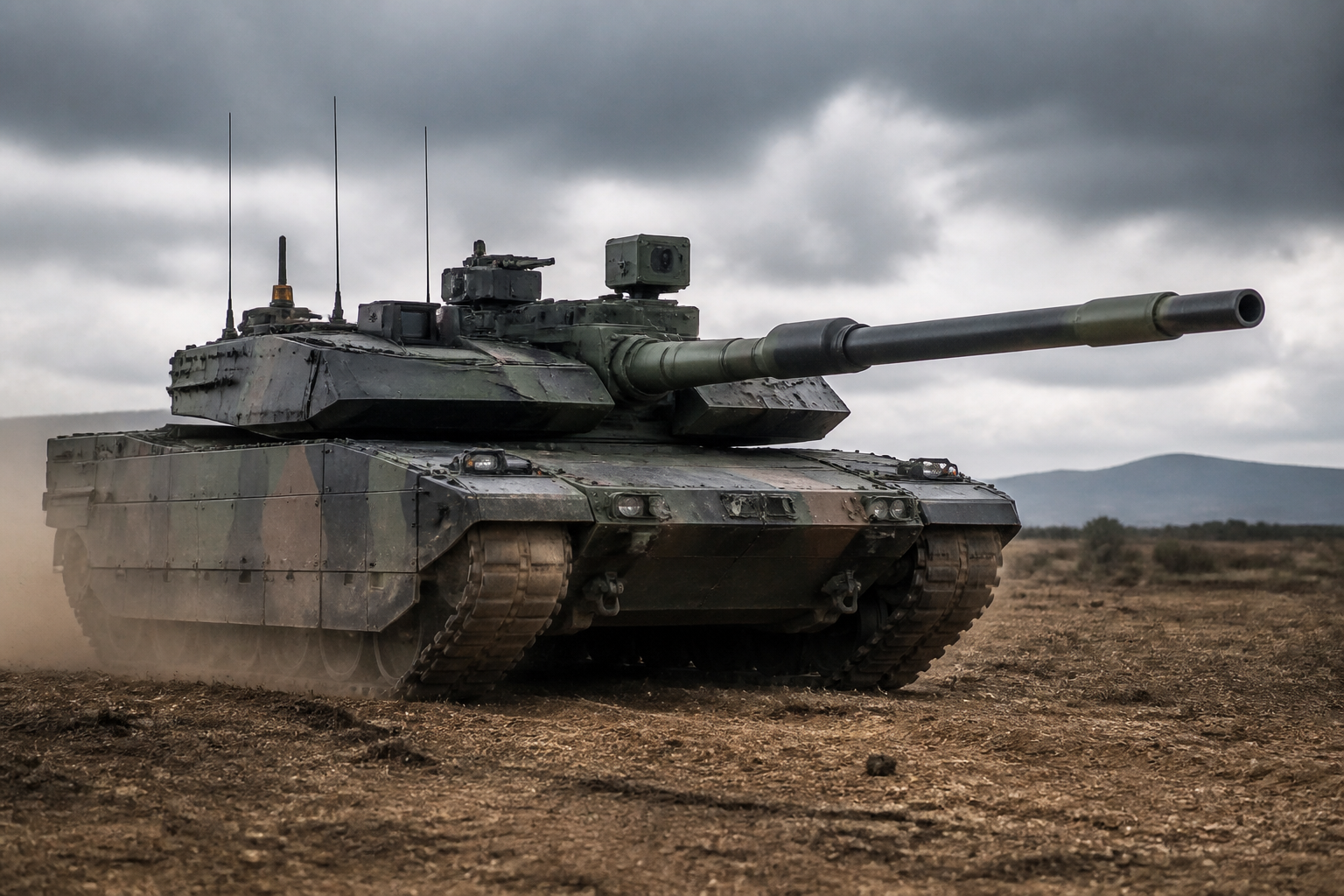
How modern MBTs balance gun performance, armor mass, and engine power—using the Abrams and Leopard 2 families as real-world examples.
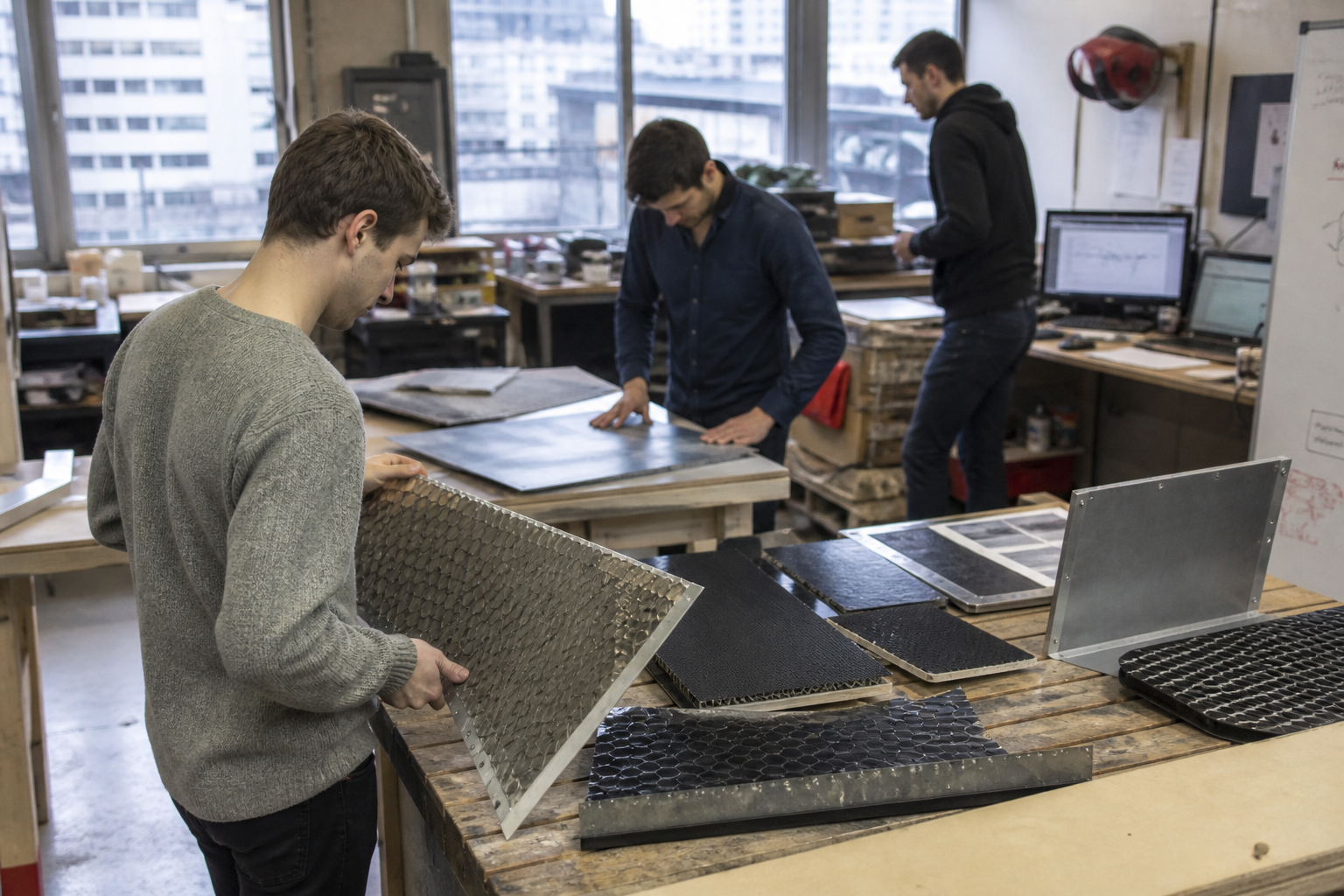
Founding-year company news: Simon von Rothschild’s Bastion starts with armor kits and vehicle-upgrade cells in Zurich.